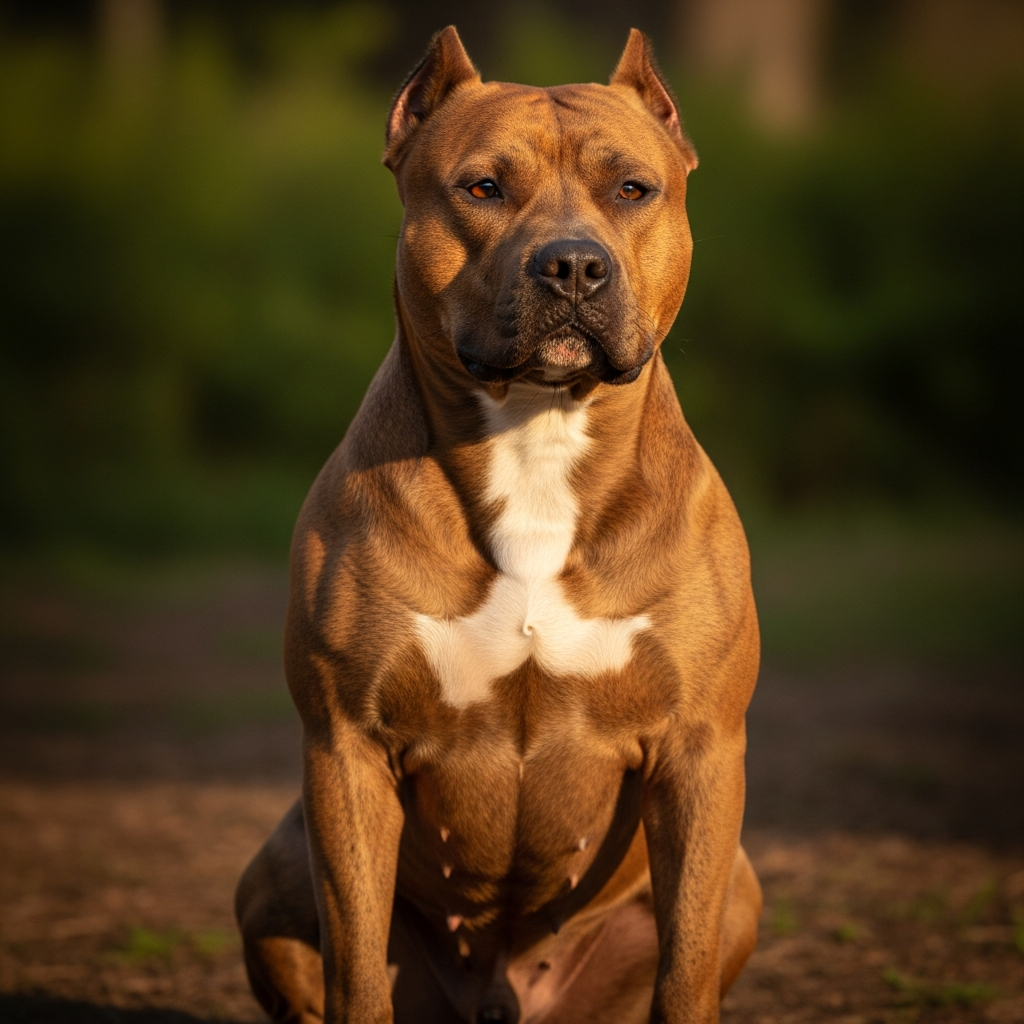
If you own a pitbull, you probably already know about the skin issues. The constant scratching. The red, irritated patches. The ear infections that keep coming back no matter what you do. Bully breeds are disproportionately affected by allergies, and food sensitivities are a significant contributor.
I have spent years researching this specific problem because I have watched too many pitbull owners cycle through expensive foods, medicated shampoos, and vet visits without getting to the root cause. The reality is that food-related skin allergies in pitbulls are manageable, but you need the right approach and the right food.
Here is what the veterinary research actually says, how to identify food allergies versus environmental allergies, and the specific foods that have helped real pitbulls find relief.
Why Pitbulls Are Prone to Skin Allergies
Pitbulls, American Staffordshire Terriers, and other bully breeds have a genetic predisposition to atopic dermatitis – a chronic inflammatory skin condition triggered by environmental or dietary allergens. Their short, thin coats offer less barrier protection than breeds with thicker fur, making skin reactions more visible and often more severe.
Several factors contribute to the allergy picture in bully breeds:
- Genetic predisposition: Bully breeds have a higher incidence of allergic skin disease than the general dog population
- Skin barrier dysfunction: Some research suggests bully breeds may have weaker skin barrier function, allowing allergens to penetrate more easily
- Immune system sensitivity: Bully breeds may have more reactive immune responses to common proteins
It is important to understand that food allergies and environmental allergies can exist simultaneously. Many pitbulls deal with both, and addressing only one will not fully resolve the symptoms.
Food Allergies vs. Environmental Allergies: How to Tell
Before spending money on specialty food, it helps to understand what you are dealing with.
Signs That Point to Food Allergies
- Symptoms are year-round (not seasonal)
- Chronic ear infections that recur despite treatment
- Paw licking and chewing (red, stained paws)
- Itching concentrated around the face, ears, feet, and rear end
- Gastrointestinal symptoms alongside skin issues (gas, loose stools, vomiting)
- Symptoms started before age one (food allergies often appear early)
Signs That Point to Environmental Allergies
- Symptoms are seasonal (worse in spring/fall)
- Itching concentrated on the belly, armpits, and groin
- Skin redness after outdoor activities
- Responds well to antihistamines or Apoquel
The Only Way to Know for Sure
The gold standard for diagnosing food allergies is an elimination diet trial supervised by your veterinarian. This involves:
- Feeding a novel protein (one your dog has never eaten) or a hydrolyzed protein diet exclusively for 8-12 weeks
- No treats, table scraps, flavored medications, or anything outside the elimination diet
- If symptoms improve, reintroducing previous proteins one at a time to identify the specific trigger
Blood and saliva “allergy tests” for food sensitivities are widely marketed but have been shown in multiple veterinary studies to be unreliable. Do not waste your money on these tests. The elimination diet takes patience, but it works.
The Most Common Food Allergens for Dogs
Based on veterinary dermatology research, the most frequently identified food allergens in dogs are:
- Beef – the most common food allergen in dogs
- Dairy products
- Chicken – extremely common in dog food, and therefore a frequent sensitizer
- Wheat
- Soy
- Lamb – once considered novel, now common enough to cause reactions
- Egg
- Corn
Notice that the top allergens are proteins, not grains. This is why switching to a grain-free food often does not solve skin allergy problems. If your pitbull is allergic to chicken, a grain-free chicken formula will not help at all.
Our Top Food Picks for Pitbulls With Skin Allergies
Prices last updated February 2026.
Best Overall: Zignature Kangaroo Formula
Zignature uses kangaroo as the sole animal protein – a truly novel protein that virtually no dog has been exposed to before. This makes it an excellent choice for elimination diets and ongoing management.
Key ingredients: Kangaroo, kangaroo meal, chickpeas, peas, sunflower oil
Guaranteed analysis: 27% protein, 14% fat
Why it works for pitbulls:
- Truly novel protein (kangaroo) minimizes allergic response
- Single animal protein source for clear elimination
- No chicken, beef, lamb, egg, or dairy
- Rich in omega-3 and omega-6 for skin health
- Grain-free with legume-based carbohydrates
Best Limited Ingredient: Natural Balance L.I.D. Sweet Potato & Venison
Natural Balance’s Limited Ingredient Diet line was one of the first designed specifically for dogs with food sensitivities. The venison and sweet potato formula keeps the ingredient list short and clean.
Key ingredients: Venison, sweet potatoes, pea protein, potato protein, canola oil
Guaranteed analysis: 21% protein, 10% fat
Why it works for pitbulls:
- Limited ingredient list reduces potential allergens
- Venison is a less common protein that many dogs tolerate well
- Sweet potato provides easily digestible carbohydrates
- No artificial flavors, colors, or preservatives
- Available in both dry and wet formulas
Best Hydrolyzed Protein: Royal Canin Veterinary Diet Hydrolyzed Protein
When novel proteins alone are not enough, hydrolyzed protein diets break proteins down into pieces so small that the immune system cannot recognize and react to them. This is the veterinary gold standard for severe food allergies.
Key ingredients: Brewers rice, hydrolyzed soy protein, chicken fat (a fat source, not a protein allergen at this purity level), powdered cellulose
Guaranteed analysis: 22% protein, 11% fat
Why it works for pitbulls:
- Proteins hydrolyzed to below the allergenic threshold
- Designed for both elimination diets and long-term maintenance
- Fortified with omega-3 fatty acids for skin support
- Veterinary-backed formula with extensive clinical testing
- Available by prescription through your veterinarian
Note: This is a prescription diet that requires veterinary authorization. It is typically used during the elimination diet phase and for dogs with confirmed, severe food allergies.
Best Budget: Diamond Care Sensitive Skin Formula
For owners who need an affordable option that addresses skin health, Diamond Care offers a targeted formula with salmon as the primary protein.
Key ingredients: Salmon, salmon meal, lentils, peas, ground rice
Guaranteed analysis: 25% protein, 13% fat
Why it works for pitbulls:
- Salmon provides omega-3 fatty acids naturally
- Novel protein for dogs previously fed chicken or beef
- Added coconut for MCTs that may support skin health
- Probiotics for gut-skin connection support
- Accessible price point
Best Fresh Option: The Farmer’s Dog (Turkey Recipe)
For owners willing to invest in fresh food, The Farmer’s Dog turkey recipe offers a minimally processed, single-protein option with ingredients you can actually see and identify.
Key ingredients: Turkey, sweet potato, parsnip, spinach, fish oil
Why it works for pitbulls:
- Minimally processed ingredients for maximum digestibility
- Single-protein recipe for elimination purposes
- Pre-portioned to your dog’s specific calorie needs
- No artificial anything
- Human-grade ingredients
This is the most expensive option on our list, but for pitbulls with severe allergies that have not responded to other approaches, the investment can be worthwhile. See our full fresh dog food delivery comparison for pricing details.
Beyond Food: Supporting Your Pitbull’s Skin Health
Diet is a critical piece of the puzzle, but it works best alongside other supportive measures.
Omega-3 Supplementation
Even if your dog’s food contains omega-3 fatty acids, a dedicated fish oil supplement can provide therapeutic levels of EPA and DHA that may help reduce inflammatory skin responses. Look for a fish oil formulated for dogs, and follow your vet’s dosing recommendations.
Regular Bathing With the Right Shampoo
Pitbulls with skin allergies benefit from regular baths with medicated or soothing shampoos. Options include:
- Oatmeal-based shampoos for mild irritation
- Chlorhexidine shampoos for bacterial skin infections
- Antifungal shampoos if yeast overgrowth is a factor
Avoid over-bathing, which can strip natural oils and worsen skin issues. Once every 2-4 weeks is typical unless your vet recommends otherwise.
Environmental Management
If your pitbull also has environmental allergies (many do), reduce exposure by:
- Wiping paws after walks
- Washing bedding weekly in hot water
- Using air purifiers in the rooms where your dog spends the most time
- Rinsing your dog after playing in grass during high pollen seasons
Veterinary Support
For moderate to severe allergies, your vet may recommend:
- Apoquel (oclacitinib): A prescription anti-itch medication that targets specific itch pathways
- Cytopoint: An injectable antibody treatment that neutralizes itch-causing signals
- Immunotherapy (allergy shots): Custom-formulated based on allergy testing for environmental allergens
- Antibiotics or antifungals: For secondary skin infections
These treatments address the itch while the dietary changes address the root cause. They are not a substitute for finding the right food, but they can provide relief while you work through the elimination process.
The Gut-Skin Connection
Emerging research in veterinary medicine supports what dermatologists have known about humans for years: gut health and skin health are closely connected. The gut microbiome influences immune function, which directly affects allergic responses.
This is why probiotics and prebiotic fibers in dog food are not just marketing buzzwords for allergy-prone dogs. Supporting healthy gut bacteria may help modulate the immune response and reduce allergic skin reactions over time. Look for foods that include named probiotic strains or consider a standalone probiotic supplement.
Treats for Dogs With Food Allergies
Finding the right food only works if you are consistent about everything that goes into your dog’s mouth. During an elimination diet or when managing confirmed allergies, treats need to follow the same protein rules as the main food.
Safe treat options:
- Single-ingredient dehydrated treats matching your dog’s safe protein (e.g., freeze-dried venison if feeding a venison-based food)
- Sweet potato chews
- Fresh vegetables like carrots or green beans
- The dog’s own kibble used as treats during training
Avoid:
- Rawhides (often processed with chemicals and may contain multiple proteins)
- Multi-ingredient commercial treats
- Flavored dental chews (often contain chicken or beef)
- Table scraps
Frequently Asked Questions
How long does it take to see improvement after switching food?
Most dogs with food allergies begin showing improvement within 4-6 weeks of consistently eating a novel or hydrolyzed protein diet. However, full resolution of symptoms can take 8-12 weeks. If you do not see any improvement after 12 weeks of strict elimination, the skin issues may be environmental rather than food-related, or your dog may be reacting to a different ingredient than expected.
Can pitbull skin allergies be cured?
Food allergies in dogs are managed, not cured. Once you identify the trigger proteins, you can avoid them long-term and keep your dog comfortable. But the underlying genetic predisposition remains. If your pitbull is exposed to the trigger protein again, symptoms will likely return. The goal is lifelong management through dietary control.
Is grain-free food the answer for pitbull allergies?
Usually not. True grain allergies in dogs are relatively uncommon compared to protein allergies. Switching to a grain-free food that still contains chicken or beef will not help a dog allergic to those proteins. Focus on the protein source first. For more on this topic, see our grain-free dog food guide. If your vet suspects a grain sensitivity, a limited ingredient diet that eliminates both the suspect protein and grain is a better approach.
How much should I expect to spend on specialty allergy food?
Specialty and limited ingredient foods typically cost 20-50% more than standard formulas. Hydrolyzed protein prescription diets can cost significantly more. For a 50-pound pitbull, expect to spend roughly $60-100 per month on a quality limited ingredient food, or $80-150+ per month on a prescription hydrolyzed diet. Fresh food delivery services can run $200-300+ per month. However, factor in the money you will save on vet visits, medications, and medicated shampoos once the allergies are under control.
Should I do allergy blood testing for my pitbull?
Blood and saliva tests for food allergies in dogs have been repeatedly shown in veterinary studies to be unreliable, with high rates of both false positives and false negatives. Save the $200-400 and put it toward a proper elimination diet trial instead. Blood testing for environmental allergies is somewhat more useful, particularly for formulating immunotherapy, but discuss this with a veterinary dermatologist.
This guide is for informational purposes only and is not a substitute for veterinary advice. Skin allergies can have multiple causes, and a proper diagnosis from your veterinarian is essential before making dietary changes. If your pitbull is experiencing severe skin issues, consider a referral to a board-certified veterinary dermatologist.