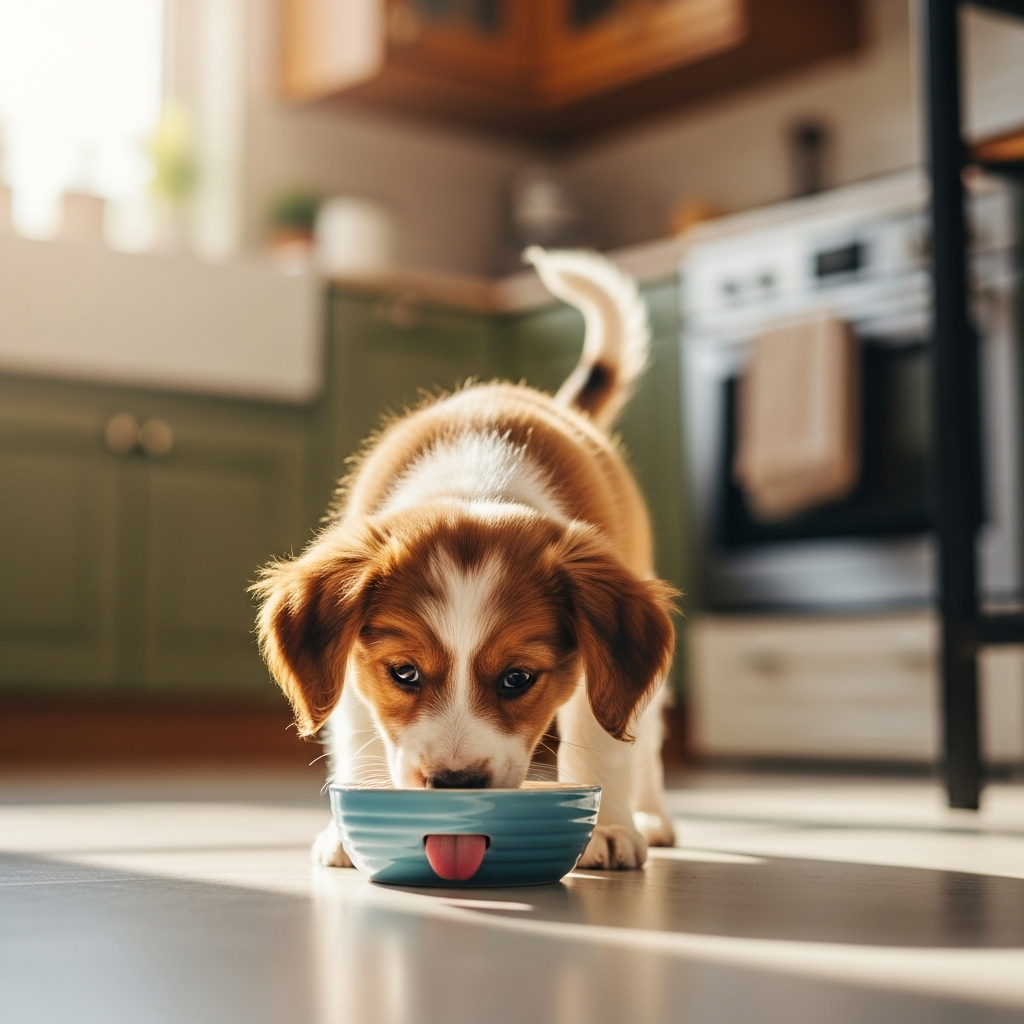
The first year of your puppy’s life is the most nutritionally demanding period they will ever experience. In 12 months, most puppies grow from a few pounds to their adult size. Their bones are forming, their immune systems are developing, their brains are wiring themselves for a lifetime of learning. What you feed during this window genuinely matters.
And yet, the puppy food aisle is an absolute circus. Every brand claims to be the best. Some push grain-free. Others push “ancestral diets.” Half the bags have a golden retriever puppy on the front regardless of what is inside.
Here is what actually matters, what the science says, and which foods we recommend after comparing dozens of formulas.
What Makes Puppy Food Different From Adult Food
Puppy food is not just adult food in a smaller bag. It is formulated with higher concentrations of specific nutrients that support rapid growth and development.
The Key Nutrient Differences
| Nutrient | Adult Minimum (AAFCO) | Puppy Minimum (AAFCO) | Why It Matters |
|---|---|---|---|
| Protein | 18% | 22.5% | Muscle and tissue development |
| Fat | 5.5% | 8.5% | Energy, brain development, nutrient absorption |
| Calcium | 0.5% | 1.0% | Bone formation |
| Phosphorus | 0.4% | 0.8% | Works with calcium for bone growth |
| DHA | Not specified | Not specified* | Brain and eye development |
*While AAFCO does not set a minimum DHA level, most veterinary nutritionists recommend at least 0.1% DHA in puppy food.
Feeding an adult maintenance food to a growing puppy can result in nutritional deficiencies that affect bone density, brain development, and immune function. Always choose a food labeled for “growth” or “all life stages.”
Large Breed vs. Small Breed Puppy Food
This distinction is not marketing. It is medically important.
Large breed puppies (expected adult weight over 50 pounds) grow at a dramatically different rate than small breeds. Too-rapid growth in large breeds can lead to developmental orthopedic disease, including hip dysplasia, osteochondrosis, and panosteitis. Large breed puppy formulas address this with:
- Controlled calcium (typically 1.0-1.5%, never exceeding 1.8%)
- Controlled calories to promote steady, moderate growth
- Balanced calcium-to-phosphorus ratio (ideally between 1:1 and 1.5:1)
Small breed puppies face the opposite challenge. Their fast metabolisms and tiny stomachs mean they need calorie-dense food in small, manageable kibble sizes. Small breed puppy formulas offer:
- Higher calorie density per cup
- Smaller kibble size for small mouths
- More frequent feeding schedules (small breeds are more prone to hypoglycemia)
Our Top Puppy Food Picks
Prices last updated February 2026.
Best Overall: Purina Pro Plan Puppy Chicken and Rice
Purina Pro Plan consistently delivers on the fundamentals: real chicken as the first ingredient, DHA from fish oil for brain development, and a formula backed by actual feeding trials with real puppies.
Key ingredients: Chicken, rice, poultry by-product meal, corn gluten meal, whole grain wheat
Guaranteed analysis: 28% protein, 18% fat, DHA from fish oil
Why we recommend it:
- Developed by board-certified veterinary nutritionists
- AAFCO feeding trial tested (not just formulated to meet standards)
- Available in large breed, small breed, and standard formulas
- Excellent palatability across breeds
- Reasonable price point
Available in: Chicken & Rice, Lamb & Rice, Sensitive Skin & Stomach, Large Breed, Small Breed, and Focus formulas.
Best for Large Breed Puppies: Hill’s Science Diet Large Breed Puppy
Hill’s has been the veterinary nutrition standard for decades. Their large breed puppy formula is specifically designed to support controlled growth with optimized calcium levels.
Key ingredients: Chicken, cracked pearled barley, whole grain wheat, whole grain oats, chicken meal
Guaranteed analysis: 24.5% protein, 14% fat, calcium controlled at 1.2%
Why we recommend it:
- Calcium precisely controlled for large breed bone health
- Backed by extensive research from the Hill’s Pet Nutrition Center
- Contains glucosamine and chondroitin for developing joints
- Natural DHA from fish oil
- Veterinarian recommended at the highest rate in the industry
Best for Small Breed Puppies: Royal Canin Small Puppy
Royal Canin takes a breed-size-specific approach that makes genuine nutritional sense for small breeds. Their small puppy formula offers calorie-dense nutrition in tiny, easy-to-chew kibble.
Key ingredients: Chicken by-product meal, brewers rice, brown rice, chicken fat, dried plain beet pulp
Guaranteed analysis: 29% protein, 19% fat
Why we recommend it:
- Calorie-dense formula designed for fast small-breed metabolisms
- Kibble size and shape designed for small mouths
- Includes a precise blend of antioxidants for immune development
- Highly digestible formula reduces stool volume
- Available for extra small breeds as well
Best Budget: Diamond Naturals Puppy
Diamond Naturals offers solid puppy nutrition at a price point that makes sense for families on a budget. It is not the most premium formula on this list, but it delivers the nutritional essentials without filler padding.
Key ingredients: Chicken, chicken meal, whole grain brown rice, cracked pearled barley, chicken fat
Guaranteed analysis: 27% protein, 16% fat, DHA from salmon oil
Why we recommend it:
- Real chicken as the first ingredient
- Added DHA from salmon oil
- Includes probiotics for digestive health
- Significantly more affordable than premium brands
- Omega fatty acids for coat development
Best Grain-Free: Taste of the Wild Puppy
If your veterinarian has recommended a grain-free diet for your puppy, Taste of the Wild offers a well-formulated option with novel protein sources.
Key ingredients: Buffalo, lamb meal, chicken meal, sweet potatoes, peas
Guaranteed analysis: 28% protein, 17% fat, DHA from salmon oil
A note on grain-free for puppies: We generally recommend grain-inclusive puppy foods unless your veterinarian has specifically recommended otherwise. The FDA’s investigation into a potential link between certain grain-free diets and dilated cardiomyopathy is ongoing, and the long-term effects on puppies are not fully understood. Read more in our grain-free dog food guide.
How Much to Feed Your Puppy
Puppies need to eat more frequently than adult dogs because their stomachs are small and their energy needs are high.
Feeding Schedule by Age
| Age | Meals Per Day | Notes |
|---|---|---|
| 6-12 weeks | 4 times | Small, frequent meals to prevent hypoglycemia |
| 3-6 months | 3 times | Begin spacing meals evenly throughout the day |
| 6-12 months | 2 times | Transition to adult feeding schedule |
| 12+ months | 2 times | Adult schedule (large breeds may stay on puppy food until 18-24 months) |
Portion Guidelines
The bag provides feeding guidelines based on expected adult weight, but these are starting points. Your puppy’s body condition should be your primary guide:
- Ideal condition: You can feel the ribs with light pressure but cannot see them. The puppy has a visible waist when viewed from above.
- Underweight: Ribs are visible. Prominent hip bones. Increase food by 10%.
- Overweight: Ribs are difficult to feel. No visible waist. Decrease food by 10%.
Overfeeding a puppy is just as harmful as underfeeding. Excess weight puts stress on developing joints and can accelerate the orthopedic problems you are trying to prevent. Our how much to feed a dog guide covers body condition scoring in detail.
When to Transition From Puppy to Adult Food
The timing depends on your dog’s expected adult size:
| Size | Expected Adult Weight | Transition Age |
|---|---|---|
| Small breed | Under 20 lbs | 9-12 months |
| Medium breed | 20-50 lbs | 12 months |
| Large breed | 50-100 lbs | 12-18 months |
| Giant breed | 100+ lbs | 18-24 months |
Large and giant breed puppies should stay on puppy food longer because they take longer to reach skeletal maturity. Switching too early can compromise their final bone density and joint health.
How to Transition
Follow the same gradual process used for any food change:
- Days 1-2: 75% puppy food, 25% adult food
- Days 3-4: 50% puppy food, 50% adult food
- Days 5-6: 25% puppy food, 75% adult food
- Days 7+: 100% adult food
If your puppy develops loose stools during the transition, slow down and give their digestive system more time to adjust. Some puppies with sensitive stomachs need 14 days for a full transition.
Once you are ready to switch, check out our best dry dog food guide for adult food recommendations at every budget.
What About Wet Food for Puppies?
Wet food can be a useful supplement for puppies, particularly those who are picky eaters, underweight, or have dental issues (like teething pain). A spoonful of wet puppy food mixed with kibble can increase palatability and add moisture.
However, an all-wet diet for puppies has some downsides:
- Higher cost per calorie
- Does not provide the mechanical chewing benefits of kibble
- Shorter shelf life once opened
- Harder to portion consistently
If you use wet food, make sure it is labeled for “growth” or “all life stages” and adjust the kibble portion to account for the additional calories.
Supplements Your Puppy Probably Does Not Need
If you are feeding a complete and balanced puppy food, your puppy is already getting everything they need. Extra supplementation can actually cause harm:
- Extra calcium: Can cause skeletal abnormalities in large breed puppies. Never add calcium supplements to puppy food.
- Extra vitamin D: Can cause toxicity leading to kidney damage.
- Joint supplements: Quality puppy foods already include appropriate levels of joint-supporting nutrients. Supplementing on top may be unnecessary.
The one supplement that may have merit is a DHA-rich fish oil if your puppy food does not contain adequate DHA. But check the label first – most quality puppy foods include it.
Common Puppy Feeding Mistakes
Feeding adult food to save money
The cost difference between puppy food and adult food is minimal, but the nutritional difference is significant. Twelve months of puppy food sets the foundation for your dog’s entire life.
Free feeding
Leaving food out all day makes it impossible to monitor how much your puppy is eating, which is critical information for tracking growth and detecting health issues early.
Too many treats
Treats should make up no more than 10% of your puppy’s daily calorie intake. This is trickier than it sounds when you are in the middle of training. Use small, low-calorie training treats or break regular treats into smaller pieces.
Inconsistent feeding
Try to feed at the same times every day. Consistency helps regulate digestion and makes house training significantly easier – you can predict when your puppy needs to go out if you know when they last ate.
Setting Up for Success
If you are bringing home a new puppy, food is just one piece of the puzzle. Our new puppy checklist covers everything you need for the first week – from the crate to the collar to the vet visit schedule.
And remember: the best puppy food is one that your puppy eats consistently, supports steady growth, and keeps their coat shiny and their energy levels appropriate. No single brand is perfect for every puppy. If the first food you try does not agree with your puppy’s stomach, it is perfectly fine to try another – just transition gradually.
Frequently Asked Questions
Can I feed my puppy raw food?
While some owners feed raw diets to puppies, most veterinary organizations advise against it due to the risk of bacterial contamination (Salmonella, E. coli) and the difficulty of ensuring complete and balanced nutrition during the critical growth phase. If you are interested in raw feeding, wait until your dog is fully grown and consult with a veterinary nutritionist. Learn more in our raw dog food guide.
My puppy does not seem to like their food. What should I do?
First, rule out health issues with your vet. If your puppy is healthy but picky, try adding a tablespoon of warm water or low-sodium bone broth to the kibble. Avoid constantly switching foods, as this can create a pickier eater. Give a new food at least 5-7 days before deciding it is not working.
Should I feed my puppy the same brand the breeder used?
It is helpful to start with the same food for the first week or two to minimize stress-related digestive upset during the transition to their new home. After your puppy has settled in, you can gradually switch to your preferred brand if you want to.
How do I know if my puppy is growing at the right rate?
Your veterinarian will track your puppy’s growth curve at each visit. Between visits, use body condition scoring: you should be able to feel your puppy’s ribs with light pressure, see a waist when viewed from above, and notice an abdominal tuck from the side. If your puppy is growing too fast (especially large breeds), your vet may recommend adjusting portions.
Is it OK to give my puppy bones?
Raw, size-appropriate bones can be given under supervision, but cooked bones should never be given as they can splinter and cause choking or intestinal damage. Always supervise bone chewing sessions and take the bone away once it has been chewed down to a size that could be swallowed. For a complete list of safe and unsafe foods, see our what can dogs eat guide.
This guide is for informational purposes only and is not a substitute for veterinary advice. Always consult your veterinarian for personalized feeding recommendations for your puppy, especially regarding breed-specific needs and growth monitoring.