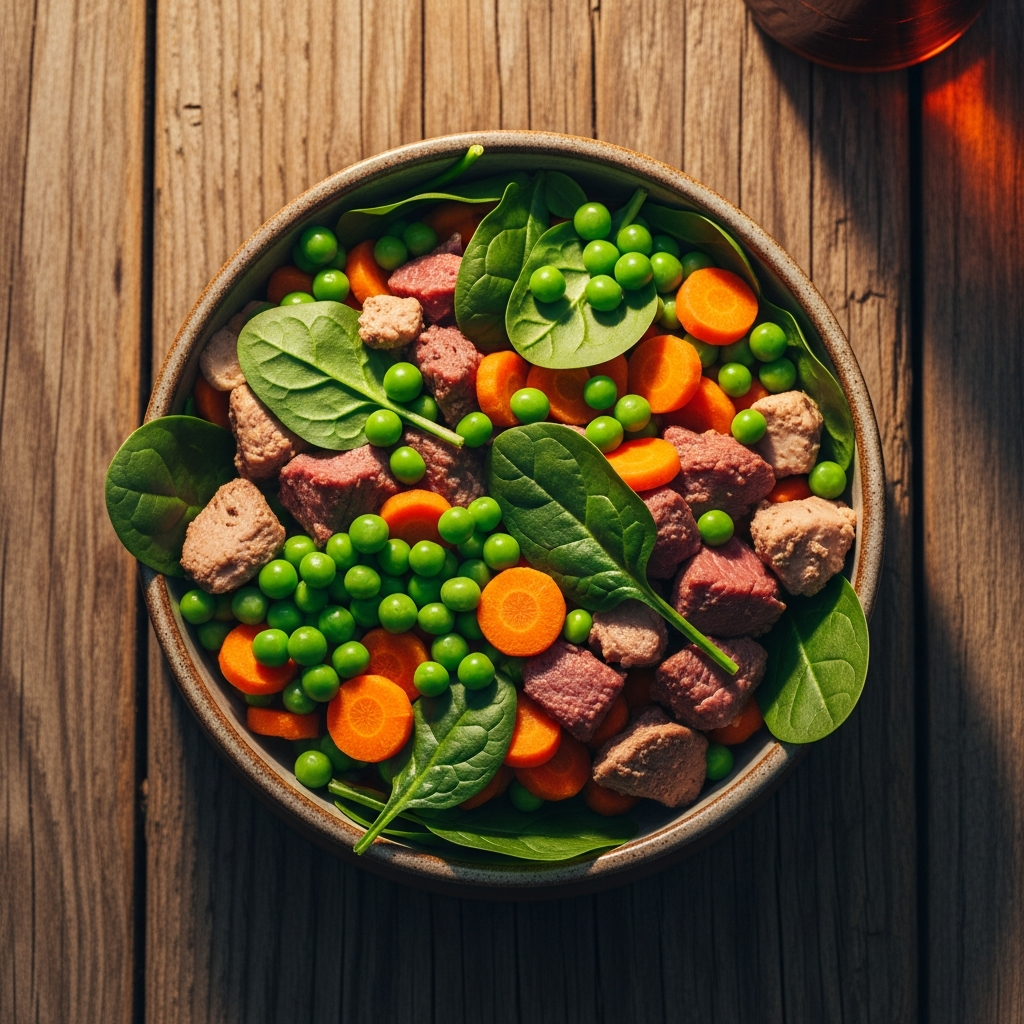
Few topics in the dog food world have created as much confusion, fear, and heated debate as grain-free diets. In 2018, the FDA dropped a bombshell that sent ripples through the entire pet food industry: they were investigating a potential link between grain-free dog foods and dilated cardiomyopathy (DCM), a serious and sometimes fatal heart condition.
Overnight, millions of dog owners panicked. Were they killing their dogs with the premium food they thought was healthier? Should everyone immediately switch back to grain-inclusive diets? Was grain-free food a scam all along?
The truth, as usual, is more complicated than the headlines. After following this investigation since it began and reviewing every FDA update, veterinary cardiologist statement, and published study on the topic, here is where things actually stand – and what it means for your dog.
The FDA Investigation: What Actually Happened
In July 2018, the FDA began investigating reports of DCM in dog breeds not typically predisposed to the condition. Golden retrievers, mixed breeds, and other non-genetically-predisposed breeds were being diagnosed with DCM at what appeared to be an unusual rate.
The Initial Findings
The FDA found a statistical correlation between the affected dogs and diets high in certain ingredients:
- Peas (including pea protein, pea starch, pea fiber)
- Lentils
- Chickpeas
- Potatoes and sweet potatoes
These ingredients are commonly used in grain-free formulas as replacements for grains like rice, corn, and wheat. The investigation identified specific brands that appeared more frequently in the reported cases, but the FDA was careful to note that the reports did not establish a causal link.
What the FDA Did Not Say
It is important to be precise about what the FDA did and did not conclude:
- The FDA did not recall any grain-free dog foods
- The FDA did not tell owners to stop feeding grain-free
- The FDA did not establish that legumes or potatoes directly cause DCM
- The FDA did note a statistical association that warranted further investigation
- The FDA did recommend that owners consult their veterinarians about diet choices
Where Things Stand Now
Since the initial announcement, the research picture has become more nuanced:
- Some veterinary cardiologists believe certain grain-free formulas may interfere with taurine absorption or metabolism, contributing to taurine-deficient DCM
- Other researchers point out that the increase in reported DCM cases may partly reflect increased awareness and reporting rather than a true increase in incidence
- The specific mechanism by which high-legume diets might contribute to DCM has not been definitively identified
- Some affected dogs have improved after switching to grain-inclusive diets, which is suggestive but not conclusive
The bottom line: the investigation raised legitimate concerns that have not been fully resolved. Science is still working on this one.
Understanding DCM
Dilated cardiomyopathy is a condition where the heart muscle becomes weakened and enlarged, reducing its ability to pump blood effectively. It can lead to congestive heart failure and can be fatal.
Genetic DCM vs. Diet-Associated DCM
Some breeds are genetically predisposed to DCM regardless of diet:
- Doberman Pinschers
- Great Danes
- Irish Wolfhounds
- Boxers
- Cocker Spaniels
The FDA investigation focused on DCM appearing in breeds without genetic predisposition, which suggested an environmental or dietary factor.
Taurine’s Role
Taurine is an amino acid that plays a critical role in heart muscle function. Dogs can synthesize taurine from methionine and cysteine (other amino acids), so it is not considered an essential amino acid in dog nutrition. However, if the diet interferes with taurine synthesis or absorption, deficiency can develop.
Some researchers hypothesize that high levels of legumes in grain-free diets may:
- Reduce taurine bioavailability
- Increase taurine excretion
- Interfere with the metabolic pathway from methionine/cysteine to taurine
This hypothesis is plausible but not proven. Not all dogs with diet-associated DCM had low taurine levels, and not all dogs on grain-free diets develop taurine deficiency.
If you are concerned about DCM and its treatment costs, having adequate pet health insurance can provide financial protection. Cardiac treatment can be expensive and ongoing.
Who Actually Benefits From Grain-Free Food
Despite the DCM concerns, there are legitimate reasons some dogs eat grain-free diets:
Dogs With Diagnosed Grain Sensitivities
A small percentage of dogs do have genuine sensitivities to specific grains. These dogs may develop digestive issues (gas, loose stools, vomiting) or skin reactions when eating wheat, corn, or other grains. For these dogs, a grain-free formula is medically appropriate.
The key word is “diagnosed.” A proper elimination diet supervised by your vet is the only reliable way to determine if your dog is truly grain-sensitive. See our limited ingredient dog food guide for more on this process.
Dogs With Celiac-Like Conditions
Irish Setters have been documented with a gluten-sensitive enteropathy similar to celiac disease in humans. For these dogs, a gluten-free (and by extension, grain-free) diet is necessary. This is extremely breed-specific and uncommon.
Performance and Working Dogs
Some working dog handlers and performance competitors prefer grain-free diets for their high protein and fat content. However, grain-inclusive performance foods (like Victor Purpose or Purina Pro Plan Sport) deliver comparable nutrition without the legume concern.
Who Does Not Benefit From Grain-Free Food
For the vast majority of healthy dogs, grain-free diets offer no nutritional advantage over well-formulated grain-inclusive diets.
The Myth That Dogs Cannot Digest Grains
Dogs are not wolves. Over thousands of years of domestication, dogs evolved the ability to digest starches efficiently. Research has identified specific genetic differences between dogs and wolves related to starch digestion, including increased copies of the AMY2B gene that produces amylase, the enzyme that breaks down starches.
Dogs can digest rice, oats, barley, and other grains just fine. These grains provide valuable nutrients, fiber, and sustained energy.
The Marketing Problem
The grain-free movement was largely driven by marketing that played on human dietary trends (gluten-free eating) and a romanticized view of dogs as wild carnivores. The messaging implied that grains were “fillers” and that grain-free was closer to what dogs were “designed” to eat.
This narrative was effective marketing, but it was nutritionally misleading. Quality whole grains like brown rice, oatmeal, and barley are nutritious, digestible carbohydrate sources for dogs. The problem is not grains in general – it is low-quality filler ingredients, which can appear in both grain-inclusive and grain-free formulas.
How to Evaluate a Grain-Free Food
If you and your vet have decided that a grain-free diet is appropriate for your dog, here is how to choose a responsible one:
Choose Foods From Established Manufacturers
Prefer brands that:
- Employ at least one full-time board-certified veterinary nutritionist
- Conduct AAFCO feeding trials (not just formulation)
- Own or control their manufacturing facilities
- Have a long track record in pet nutrition
- Publish their research and nutritional philosophy
Look at the Legume Content
Check the ingredient list for how prominently legumes appear. If peas, lentils, chickpeas, or their derivatives (pea protein, pea starch, pea fiber) show up multiple times in the first 10 ingredients, the legume content is high. Consider whether a food with lower legume content might be available.
Ask About Taurine
Some grain-free formulas now include supplemental taurine as a precaution. While not all dogs on grain-free diets need supplemental taurine, its inclusion suggests the manufacturer is aware of the concern and taking steps to address it.
Monitor Your Dog
If your dog eats a grain-free diet, consider:
- Annual or bi-annual cardiac screening (especially for breeds in the medium to large range)
- Periodic taurine level blood tests (discuss with your vet)
- Watching for early signs of heart disease: coughing, exercise intolerance, rapid breathing at rest, weakness
Our Recommendations: Grain-Free Foods We Trust
If grain-free is medically necessary for your dog, these brands have the strongest combination of nutritional science, feeding trial data, and manufacturer accountability.
Prices last updated February 2026.
Purina Pro Plan Sensitive Skin & Stomach (Salmon)
While not marketed as “grain-free” per se, this formula uses rice and oat meal rather than wheat and corn, and the salmon-first formula avoids common protein allergens.
Taste of the Wild
Uses novel proteins (bison, venison, smoked salmon) and has a long track record. Still contains legumes, but the formulas are diverse and well-rounded.
Merrick Grain-Free
Deboned meat as the first ingredient in every formula, and the brand has invested in reformulation in response to the DCM investigation.
Zignature
Specializes in novel proteins with single-animal-protein formulas. Good option for dogs undergoing elimination diets. See our pitbull allergy food guide for how we use this brand.
Our Take: The Practical Bottom Line
Here is what we tell friends who ask about grain-free:
If your dog is healthy and doing well on a grain-inclusive food: There is no reason to switch to grain-free. You are not missing anything.
If your dog has a diagnosed grain sensitivity: Grain-free is appropriate. Choose a formula from a reputable manufacturer and monitor your dog’s heart health.
If you are currently feeding grain-free and your dog is thriving: Do not panic. Talk to your vet. Consider whether the specific food is high in legumes. Monitor your dog. You may decide to switch to grain-inclusive, or you may decide the risk is acceptable for your dog’s situation.
If you are choosing a new food: All else being equal, we lean toward grain-inclusive formulas because the risk profile is better understood. Our best dry dog food guide includes our top picks across all categories.
For everyone: Make decisions based on your dog’s individual health, your vet’s advice, and the best available evidence – not based on marketing trends or internet fear.
Frequently Asked Questions
Will grain-free food give my dog heart disease?
The FDA investigation found an association between certain grain-free diets and DCM, but a direct causal link has not been proven. Not every dog on grain-free food is at risk, and not every case of DCM is linked to diet. If you are concerned, discuss your dog’s specific food and risk factors with your veterinarian.
Should I immediately switch my dog off grain-free food?
Not necessarily. If your dog is on a grain-free diet for a medical reason (like a diagnosed grain allergy), the benefits may outweigh the potential risks. If there is no medical reason for grain-free, switching to a high-quality grain-inclusive food is a reasonable precaution. Either way, transition gradually over 7-10 days.
Are all grains the same in dog food?
No. Whole grains like brown rice, oatmeal, and barley provide more nutritional value and fiber than refined grains. Corn and wheat are often cited as “fillers,” but they do provide digestible energy and nutrients. The quality and source matter more than whether a grain is present.
Can I test my dog’s taurine levels?
Yes. Your veterinarian can order a blood test to measure whole blood taurine levels. This is a simple blood draw that can be done at a regular vet visit. If your dog has been eating a grain-free diet long-term, especially one high in legumes, this test may provide peace of mind.
Is grain-free dog food more expensive?
Generally, yes. Grain-free formulas tend to cost 10-30% more than comparable grain-inclusive options because the alternative carbohydrate sources (sweet potatoes, chickpeas, lentils) are more expensive than rice or corn. The premium price does not necessarily reflect better nutrition for the average dog.
This guide is for informational purposes only and is not a substitute for veterinary advice. The grain-free/DCM investigation is ongoing, and recommendations may evolve as new research becomes available. Always consult your veterinarian for dietary recommendations specific to your dog.