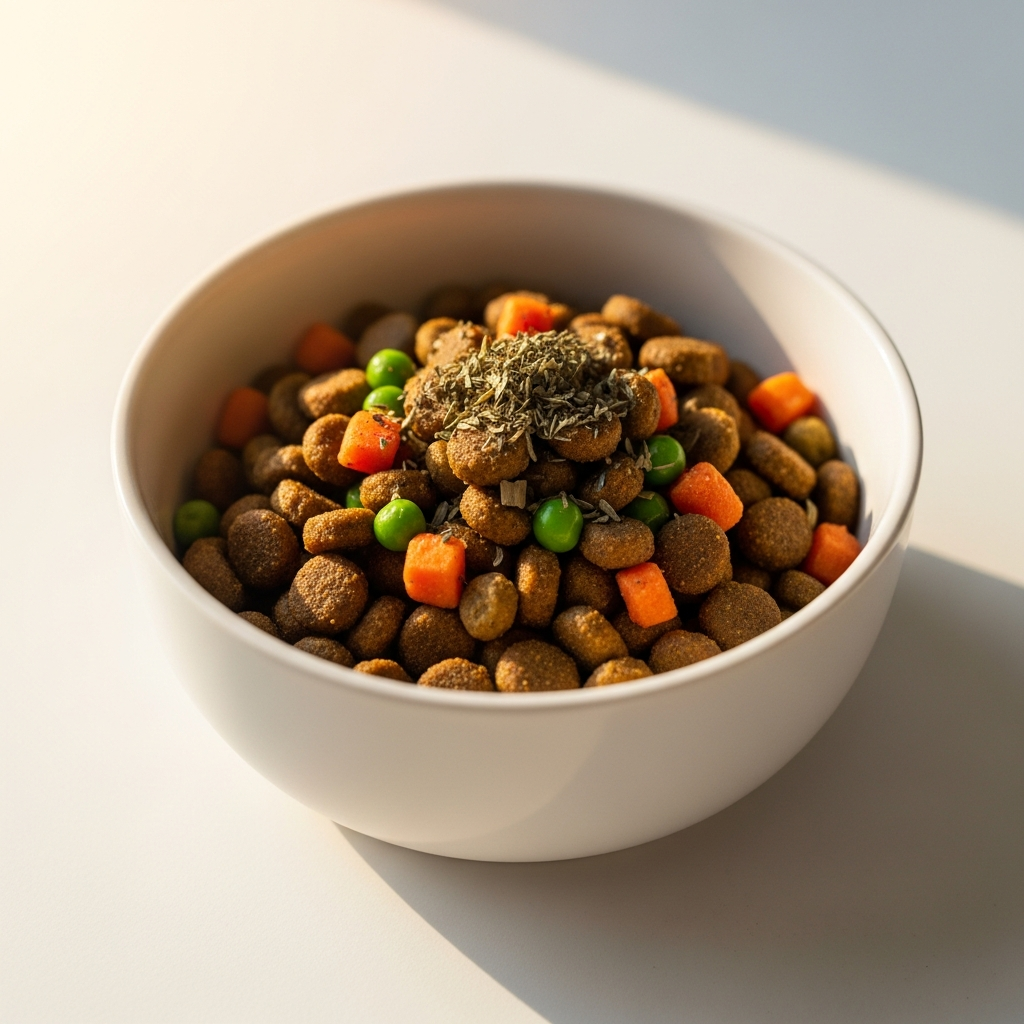
Limited ingredient diets (LID) are one of the most useful tools in the dog food world – when used correctly. For dogs with confirmed or suspected food sensitivities, a well-formulated LID can mean the difference between constant itching, ear infections, and digestive misery and a comfortable, symptom-free life.
But the term “limited ingredient” has become a marketing buzzword, and not every food wearing that label actually delivers what it promises. Some so-called LID foods have ingredient lists that are anything but limited. Others use a single novel protein but then add a dozen other potential allergens.
Here is how to cut through the noise: what limited ingredient actually means, how to use LID foods as part of an elimination diet, and which products genuinely deliver on the promise.
What “Limited Ingredient” Actually Means
There is no official AAFCO definition for “limited ingredient.” Unlike terms like “organic” or “natural,” manufacturers can use the phrase with no regulatory standard to meet. This is the first problem.
In practice, a genuinely limited ingredient diet should have:
- A single animal protein source (one species of meat, not multiple)
- A single carbohydrate source (or at most two)
- A short, identifiable ingredient list (typically under 10 main ingredients)
- No common allergens hiding in the formula (no chicken fat in a “venison” LID, for example)
The purpose is simple: by reducing the number of ingredients, you reduce the number of potential allergens. If your dog reacts to the food, you have fewer variables to investigate. If they do well, you have a clear baseline to build from.
The Cross-Contamination Problem
Even well-intentioned LID foods can be compromised by cross-contamination during manufacturing. If a facility also produces chicken-based foods, trace amounts of chicken protein may end up in the venison formula. For dogs with severe allergies, this can trigger reactions even from tiny amounts.
The most reliable LID brands either:
- Use dedicated production lines for each protein
- Thoroughly clean and test equipment between runs
- Test finished products for the absence of undeclared proteins
This is why prescription hydrolyzed protein diets exist for the most severe cases – they eliminate the protein recognition problem entirely by breaking proteins down below the allergenic threshold.
How Elimination Diets Work
Limited ingredient foods are most effective when used as part of a structured elimination diet. This is the gold standard for diagnosing food allergies, and it requires discipline and patience.
Step 1: Choose a Novel Protein
Select a protein source your dog has never eaten before. Common novel proteins include:
- Venison (unless your dog has eaten venison-based foods or treats)
- Kangaroo
- Duck (becoming less novel as it appears in more foods)
- Rabbit
- Bison (less common but increasingly available)
The protein needs to be truly novel – something your dog’s immune system has never encountered. This is why ingredient history matters. If your dog has eaten a duck-based food before, duck is not novel for them.
Step 2: Commit to 8-12 Weeks
Here is where most elimination diets fail: owner compliance. For 8-12 weeks, your dog must eat nothing but the elimination diet food and water. That means:
- No treats (unless they are the same protein as the food)
- No table scraps
- No flavored medications (switch to unflavored versions)
- No rawhides or chews (may contain undeclared proteins)
- No getting into the cat’s food
- No eating things off the ground on walks
One slip-up can invalidate the entire trial. This is the hardest part, especially in households with children who drop food or multiple pets who share.
Step 3: Evaluate Results
If symptoms improve significantly during the elimination period, food allergy is likely the cause. The next step is controlled reintroduction: adding back one protein at a time (chicken for two weeks, then beef for two weeks, etc.) to identify the specific trigger.
If symptoms do not improve after a full 12-week trial, the issue is likely environmental rather than dietary. This is useful information too – it tells you and your vet to pursue other diagnostic and treatment paths.
Step 4: Long-Term Management
Once you have identified the trigger protein(s), long-term management means avoiding those proteins permanently. A quality LID food makes this sustainable because it clearly labels what is (and is not) in the formula.
Our Top Limited Ingredient Dog Food Picks
Prices last updated February 2026.
Best Overall: Natural Balance L.I.D. Limited Ingredient Diets
Natural Balance was a pioneer in the limited ingredient space, and their L.I.D. line remains one of the most trusted options. They offer multiple novel protein and carbohydrate combinations, making it easy to find an option that works for your dog.
Available formulas:
- Sweet Potato & Venison
- Sweet Potato & Bison
- Sweet Potato & Chicken (for dogs with non-chicken allergies)
- Sweet Potato & Fish
Sweet Potato & Venison formula details:
Key ingredients: Venison, sweet potatoes, pea protein, potato protein, canola oil
Guaranteed analysis: 21% protein, 10% fat
Why we recommend it:
- One of the original and most established LID brands
- Single animal protein source in each formula
- Clean ingredient list with minimal additives
- Available in both dry and canned versions
- Buy With Confidence testing program checks for contaminants
Best Novel Protein: Zignature Kangaroo Formula
When you need a protein your dog has definitely never encountered, kangaroo is about as novel as it gets in the commercial dog food market.
Key ingredients: Kangaroo, kangaroo meal, chickpeas, peas, sunflower oil
Guaranteed analysis: 27% protein, 14% fat
Why we recommend it:
- Truly novel protein for virtually all dogs
- Higher protein content than many LID foods
- Single animal protein source
- Rich in omega fatty acids for skin support
- Also available in other novel proteins: goat, pork, trout
For pitbull owners dealing with breed-specific skin allergies, see our detailed guide on the best food for pitbulls with skin allergies where we discuss how to use Zignature as part of an elimination protocol.
Best Grain-Inclusive LID: Canidae Pure
Canidae Pure uses a limited number of whole food ingredients with a named protein first. Their grain-inclusive options provide an alternative for owners who want to avoid the legume-heavy carbohydrate sources common in grain-free LID foods.
Salmon and Sweet Potato formula:
Key ingredients: Salmon, salmon meal, sweet potatoes, peas, canola oil
Guaranteed analysis: 24% protein, 14.5% fat
Why we recommend it:
- Clean ingredient lists with 7-10 key ingredients
- Multiple protein options (salmon, lamb, bison, duck)
- Added probiotics for digestive support
- Available in grain-free and grain-inclusive options
- Health mix of antioxidants, vitamins, and minerals
Best Prescription: Hill’s Prescription Diet d/d
For dogs with severe or complex food allergies that have not responded to over-the-counter LID foods, Hill’s d/d is a veterinary-formulated option designed specifically for food sensitivity management.
Key ingredients: Venison, potatoes, potato protein, soybean oil, powdered cellulose
Guaranteed analysis: 14.5% protein, 13% fat
Why we recommend it:
- Formulated by veterinary nutritionists specifically for food allergies
- Novel protein sources with minimal additional ingredients
- Manufactured under strict quality controls to minimize cross-contamination
- Available in multiple novel protein options (venison, duck, salmon)
- Clinically tested
Note: Requires a veterinary prescription. Discuss with your vet whether this level of dietary restriction is necessary for your dog.
Best Budget: Rachael Ray Nutrish Just 6
For owners who need a limited ingredient option without the premium price, Rachael Ray Nutrish Just 6 delivers a straightforward, short ingredient list at an accessible price point.
Lamb Meal and Brown Rice formula:
Key ingredients: Lamb meal, ground rice, brown rice, dried plain beet pulp, chicken fat
Guaranteed analysis: 26% protein, 14% fat
Why we recommend it:
- Only 6 main ingredients
- Affordable entry point for limited ingredient feeding
- No corn, wheat, soy, or artificial preservatives
- Real lamb as the primary protein source
Caveat: Contains chicken fat, which may be a concern for dogs with chicken protein allergies. While refined chicken fat typically contains minimal protein, dogs with severe chicken allergies may react. Discuss with your vet.
LID vs. Hydrolyzed Protein Diets
For dogs with severe allergies or those who do not respond to LID foods, hydrolyzed protein diets represent the next step. In these foods, the proteins are broken down (hydrolyzed) into pieces so small that the immune system cannot recognize them as allergens.
| Feature | Limited Ingredient Diet | Hydrolyzed Protein Diet |
|---|---|---|
| Protein approach | Novel whole protein | Broken-down protein fragments |
| Availability | Over the counter | Prescription only |
| Cost | Moderate | High |
| Best for | Mild to moderate allergies | Severe allergies, failed LID trials |
| Palatability | Generally good | Variable (some dogs dislike the taste) |
| Long-term use | Yes | Yes, if needed |
Most veterinary dermatologists recommend starting with a novel protein LID and escalating to hydrolyzed protein only if the LID trial is inconclusive or insufficient.
Common Mistakes With Limited Ingredient Diets
Choosing a protein your dog has already eaten
“Limited ingredient” does not help if the protein is the allergen. Duck is novel only if your dog has never had duck. Check every food and treat your dog has ever eaten before selecting your elimination protein.
Not reading the full ingredient list
A food labeled “Venison Limited Ingredient” may contain chicken fat, egg product, or other potential allergens further down the list. Read every ingredient, not just the front of the bag.
Giving treats that break the diet
One peanut butter-filled Kong with chicken-based peanut butter can invalidate weeks of elimination dieting. Every item that enters your dog’s mouth must comply.
Giving up too soon
Eight weeks is the minimum. Some dogs need the full 12 weeks before showing clear improvement. Stopping at week 6 because “nothing has changed” may mean missing the window where improvement would have become apparent.
Assuming food is the problem
Environmental allergies (pollen, dust mites, mold) are actually more common than food allergies in dogs. If a thorough elimination diet does not produce results, the issue may not be dietary at all.
Frequently Asked Questions
How is a limited ingredient diet different from grain-free?
Limited ingredient diets focus on reducing the total number of ingredients, particularly protein sources, to minimize potential allergens. Grain-free diets simply remove grains but may contain dozens of other ingredients, multiple protein sources, and common allergens. A food can be grain-free without being limited ingredient, and a limited ingredient food can include grains. They address different problems. For more on grain-free, see our grain-free dog food guide.
Can I feed a limited ingredient diet long-term?
Yes. Quality LID foods are formulated to meet AAFCO nutritional adequacy standards for adult maintenance. They are designed to be fed as a complete diet indefinitely, not just during an elimination trial. Many dogs with confirmed food allergies eat LID foods for their entire lives.
What if my dog is allergic to multiple proteins?
This is where elimination diets become particularly important. If your dog reacts to multiple proteins, you need to find the one(s) they tolerate through systematic reintroduction. In severe multi-allergen cases, a hydrolyzed protein diet may be the only practical option. Work closely with your veterinarian or a veterinary dermatologist.
Are limited ingredient foods nutritionally complete?
They should be. Any LID food worth buying will carry an AAFCO nutritional adequacy statement confirming it meets requirements for adult maintenance (or all life stages). The “limited” part refers to reducing potential allergens, not reducing nutritional completeness. Always check for the AAFCO statement on the bag.
Why are limited ingredient foods more expensive?
Novel proteins like venison, kangaroo, and bison are more expensive to source than chicken or beef. Additionally, the specialized manufacturing required to prevent cross-contamination adds cost. The premium is typically 20-40% over standard formulas, though it varies by brand and protein source.
This guide is for informational purposes only and is not a substitute for veterinary advice. Food allergies should be diagnosed through proper elimination diet trials supervised by your veterinarian. If your dog is experiencing chronic skin or digestive issues, consult your vet before making dietary changes.