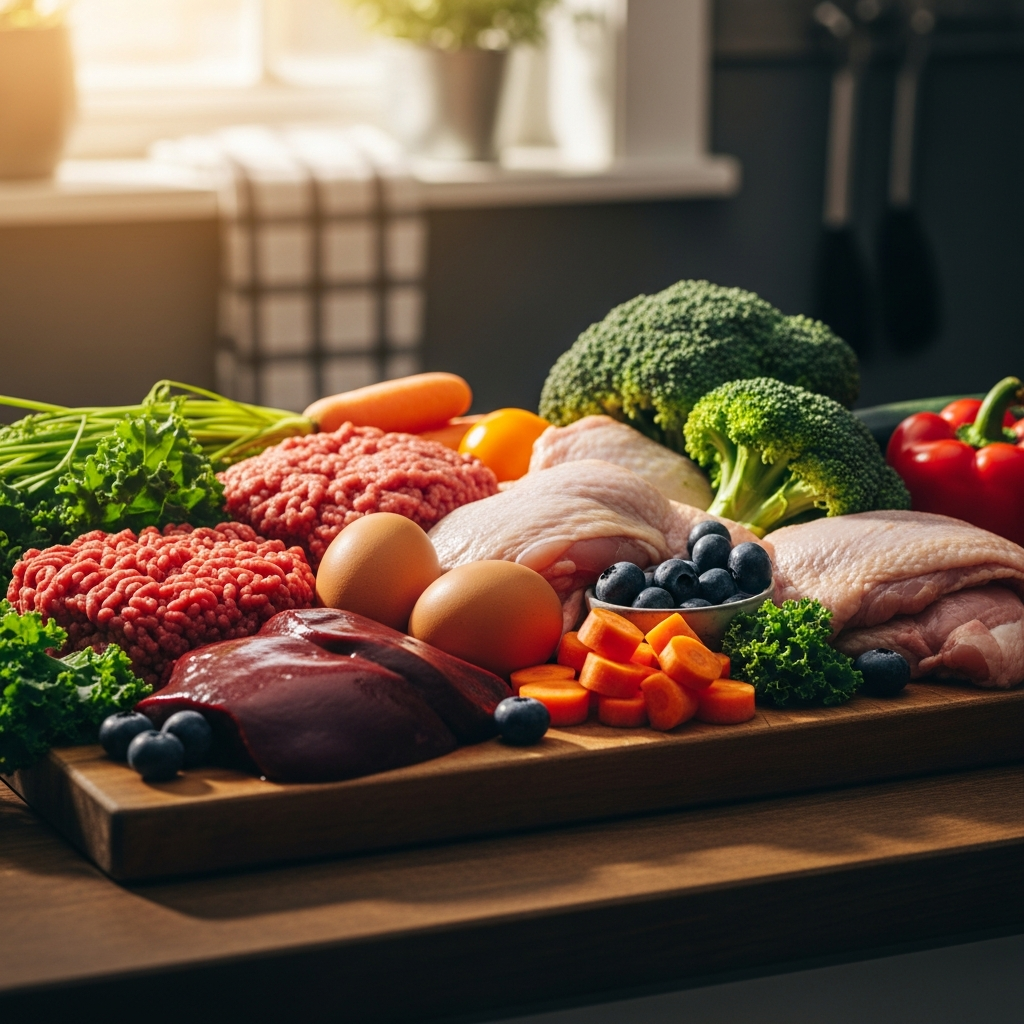
Raw feeding is one of those topics where dog owners tend to fall into two camps: the devoted believers who will never feed kibble again, and the skeptics who think raw feeders are reckless. I have spent years talking to both sides, reading the research, and watching the results in real dogs.
The honest truth is that raw feeding has genuine potential benefits and genuine risks. Anyone who tells you it is all upside or all downside is selling you something. This guide gives you the full picture so you can make an informed decision for your dog.
What Is a Raw Dog Food Diet?
A raw diet consists of uncooked animal products: raw muscle meat, organ meat, raw meaty bones, and sometimes raw eggs, fruits, and vegetables. The philosophy behind it is that dogs evolved eating raw prey, and modern processed dog food is a departure from their biological design.
There are two main approaches:
BARF (Biologically Appropriate Raw Food)
Developed by Australian veterinarian Dr. Ian Billinghurst, the BARF model includes:
- 60-80% raw meaty bones (chicken backs, turkey necks, pork ribs)
- 20-40% vegetables and fruit (blended or pureed for digestibility)
- Organ meats (liver, kidney, heart)
- Eggs
- Small amounts of dairy (yogurt, kefir)
- Supplements (fish oil, kelp)
The BARF philosophy holds that dogs need plant matter in addition to animal products, arguing that wild canids consume the stomach contents of herbivorous prey.
Prey Model Raw (PMR)
Prey model raw takes a more carnivore-focused approach, aiming to replicate a whole prey animal:
- 80% muscle meat (from various sources)
- 10% raw edible bone (appropriate to the dog’s size)
- 5% liver (the most nutrient-dense organ)
- 5% other secreting organ (kidney, spleen, pancreas, brain)
PMR purists typically exclude plant matter entirely, arguing that dogs are facultative carnivores and do not need fiber or plant nutrients.
Commercial Raw
For owners who want to feed raw without the prep work, commercial raw diets are available in frozen, freeze-dried, and dehydrated formats:
- Frozen raw patties or nuggets (Stella & Chewy’s, Primal, Northwest Naturals)
- Freeze-dried raw (Stella & Chewy’s, Orijen, Sojos)
- Dehydrated raw (The Honest Kitchen, Sojos)
These options are significantly more expensive than DIY raw but offer convenience and the assurance of formulation by pet nutrition professionals.
The Case for Raw Feeding
Raw feeding proponents report several benefits, some of which have anecdotal support and limited scientific backing:
Improved Coat and Skin
This is the most commonly reported benefit. Many raw-fed dogs develop noticeably shinier, softer coats and experience fewer skin issues. The high fat content of raw diets, particularly the omega-3 from raw fish and the natural fats in raw meat, likely contributes to this. Whether raw delivery is superior to supplementing a kibble diet with fish oil is debatable, but the results are visually apparent in many dogs.
Smaller, Less Odorous Stools
Raw-fed dogs typically produce smaller, firmer, less smelly stools. This is because raw food is more digestible than heavily processed kibble, leaving less waste. The bone content also creates a drier, chalk-like stool consistency. For multi-dog households, this can be a meaningful quality-of-life improvement.
Dental Health
Chewing raw meaty bones provides significant mechanical cleaning of teeth. Many raw feeders report that their dogs have cleaner teeth and better breath without professional dental cleanings. The abrasive action of gnawing on raw bones can reduce plaque and tartar buildup, though it does not eliminate the need for dental care entirely.
Increased Energy and Muscle Tone
Some owners report improved energy levels and leaner muscle mass in raw-fed dogs, particularly active and working dogs. The higher protein and fat content of raw diets, combined with the absence of high-glycemic carbohydrates, may contribute to more sustained energy levels.
Greater Feeding Engagement
Dogs on raw diets tend to be more engaged during meals. Tearing meat from bones, crunching through cartilage, and working through a whole chicken quarter is mentally stimulating in a way that eating a bowl of kibble is not.
The Case Against Raw Feeding
The concerns about raw feeding are not fear-mongering – they are legitimate, documented risks that every prospective raw feeder needs to understand.
Bacterial Contamination
This is the biggest and most well-documented risk. Raw meat can harbor:
- Salmonella (found in a significant percentage of commercial raw pet food samples)
- Listeria monocytogenes
- E. coli (including pathogenic strains)
- Campylobacter
The risk is not just to the dog. It is to every human in the household. Dogs can shed these bacteria in their saliva and feces for days after eating contaminated meat. This is a particular concern in households with young children, elderly family members, pregnant women, or immunocompromised individuals.
Multiple studies have found high rates of bacterial contamination in both commercial and homemade raw pet foods. The FDA, the American Veterinary Medical Association (AVMA), and the American Animal Hospital Association (AAHA) have all issued statements advising against raw feeding due to this risk.
Nutritional Imbalance
Formulating a nutritionally complete raw diet is significantly more complex than most people realize. Common deficiencies in DIY raw diets include:
- Calcium and phosphorus imbalances (too little bone or too much bone)
- Vitamin D deficiency (dogs need dietary vitamin D, and raw meat alone may not provide enough)
- Vitamin E deficiency
- Zinc and manganese insufficiency
- Inadequate iodine
A study published in the Journal of the American Veterinary Medical Association found that 95% of homemade raw diets had at least one nutrient deficiency, and 83% had multiple deficiencies. This does not mean raw feeding cannot be balanced – it means getting it right requires significant knowledge and effort.
Bone Hazards
Raw bones are generally safer than cooked bones (which become brittle and can splinter), but they are not risk-free:
- Tooth fractures from weight-bearing bones (femurs, marrow bones) that are harder than teeth
- Choking from inappropriately sized bones
- Intestinal obstruction from large bone fragments
- Constipation from excessive bone consumption (bone-heavy diets produce white, chalky, difficult-to-pass stools)
Appropriate bone selection and supervision are essential. Raw-fed dogs should never be left unattended with bones.
Cost
Raw feeding is significantly more expensive than kibble. Realistic monthly costs for a 50-pound dog:
| Approach | Estimated Monthly Cost |
|---|---|
| Budget kibble | $30-45 |
| Premium kibble | $60-90 |
| DIY raw (bulk buying) | $100-200 |
| Commercial raw (frozen) | $200-350 |
| Commercial raw (freeze-dried) | $300-500+ |
The DIY raw cost assumes bulk purchasing from local butchers, ethnic grocery stores, and co-ops. Buying individual cuts from a standard grocery store will be significantly more expensive.
Time and Prep Work
DIY raw feeding requires:
- Sourcing meat from multiple suppliers
- Portioning and preparing meals (often in batch sessions)
- Proper freezer storage (you need chest freezer space)
- Thorough cleaning of all surfaces, bowls, and utensils after every meal
- Balancing nutrients across the week or month
- Monitoring your dog for signs of deficiency or excess
This is a lifestyle commitment, not a convenience.
What the Science Actually Says
Here is where I have to be straightforward: the scientific evidence on raw feeding is limited and mixed.
What Studies Show
- Raw diets have higher digestibility than most kibble formulations
- Dogs on raw diets shed Salmonella and other pathogens at higher rates than kibble-fed dogs
- Most homemade raw diets tested in studies are nutritionally unbalanced
- Some commercial raw diets are better balanced but still carry bacterial risks
- No long-term, controlled studies have compared health outcomes (lifespan, disease rates) between raw-fed and kibble-fed dogs
The Evidence Gap
The biggest problem in the raw feeding debate is the lack of well-designed, long-term studies. Most of the “evidence” on both sides is anecdotal. Raw feeders point to their dogs’ shiny coats and clean teeth. Critics point to bacterial contamination studies and case reports of injuries or nutritional deficiencies.
Neither side has strong longitudinal data. The controlled feeding trials that exist are typically short-term and focus on digestibility rather than long-term health outcomes. Until better research exists, definitive claims in either direction should be treated with skepticism.
Safety Protocols If You Choose to Feed Raw
If you have weighed the risks and benefits and decided to try raw feeding, these safety practices are non-negotiable:
Food Handling
- Designate separate prep surfaces for raw dog food – never use the same cutting board for human food
- Clean all surfaces with hot, soapy water followed by a dilute bleach solution after every preparation session
- Wash your hands thoroughly after handling raw meat and after touching your dog’s food bowl
- Use stainless steel bowls (easier to sanitize than plastic or ceramic)
- Wash food bowls after every meal – not just rinse, wash with hot soapy water
Storage
- Freeze raw food for at least two weeks before feeding (freezing reduces but does not eliminate certain parasites)
- Thaw in the refrigerator, never at room temperature
- Do not refreeze previously thawed raw meat
- Discard any raw food left uneaten after 30 minutes
Sourcing
- Buy from reputable sources – butchers who handle meat for human consumption, not pet-grade meat of unknown origin
- Diversify proteins over time to provide a broader nutrient profile
- Include organ meats (liver is essential; kidney, heart, and spleen add nutritional depth)
- Use appropriate bones for your dog’s size (chicken necks for small dogs, turkey necks for medium, pork ribs for large)
Monitoring
- Track what you feed (protein sources, organ inclusion, bone percentages) to ensure balance over time
- Watch stool quality – white, crumbly stools mean too much bone; loose stools may mean too little bone or digestive upset
- Schedule regular vet check-ups including blood work to catch deficiencies early
- Watch for dental damage – slab fractures on carnassial teeth are a common raw feeding injury from inappropriate bones
Raw Feeding and Specific Populations
Puppies
Feeding a raw diet to a growing puppy is significantly more risky than feeding raw to an adult dog. The nutritional requirements during growth are precise and unforgiving. Calcium-to-phosphorus ratios, calorie density, and micronutrient levels all need to be carefully controlled. Most veterinary nutritionists advise against raw feeding for puppies unless you are working directly with a board-certified veterinary nutritionist to formulate the diet. See our puppy food guide for safer options during the first year.
Senior Dogs
Older dogs with compromised immune systems may be more susceptible to foodborne pathogens. Additionally, senior dogs may have dental issues that make bone consumption dangerous. If you raw-feed a senior dog, consider commercial grinds (boneless) and discuss the approach with your vet. For standard senior feeding advice, see our senior dog food guide.
Immunocompromised Dogs
Dogs on immunosuppressive medications (prednisone, cyclosporine, chemotherapy) should not eat raw diets. Their compromised immune systems are less able to handle the bacterial load that healthy dogs typically manage.
The Middle Ground: Hybrid Feeding
Not everyone has to go all-or-nothing. Many dog owners find a middle ground that captures some benefits of raw feeding while managing the risks:
- Kibble as a base with raw toppers (a few ounces of raw meat added to kibble)
- Freeze-dried raw rehydrated and mixed with kibble (lower bacterial risk than frozen raw)
- Raw meaty bones as recreational chews a few times per week alongside a complete kibble diet
- Fresh food delivery services that gently cook ingredients to reduce bacterial risk while maintaining nutrient quality (see our fresh dog food delivery comparison)
These compromises will not satisfy raw feeding purists, but they are practical approaches that many dogs thrive on.
Our Take
Raw feeding can work. I have seen dogs transform on well-formulated raw diets – better coats, better energy, better stools. But I have also seen dogs with bone injuries, bacterial infections, and nutritional deficiencies from poorly executed raw feeding.
If you are considering raw feeding:
- Educate yourself thoroughly before starting – not just from raw feeding advocacy sites, but from veterinary nutrition resources too
- Consult with your vet and ideally a board-certified veterinary nutritionist
- Start slowly and monitor closely
- Budget realistically for both the food and regular veterinary monitoring
- Be honest about your lifestyle – do you have the time, space, and discipline for proper food handling?
If the prep work, cost, and safety concerns feel overwhelming, that is OK. A quality kibble like the options in our best dry dog food guide will feed your dog a complete and balanced diet without the risks. Fresh food delivery services offer a premium middle ground.
There is no single right way to feed a dog. There is only the right way for your dog, your household, and your reality.
Frequently Asked Questions
Is it safe to feed my dog raw chicken?
Raw chicken is one of the most commonly used proteins in raw feeding due to its availability and affordability. However, raw chicken commonly carries Salmonella and Campylobacter. Dogs can typically handle these bacteria better than humans, but they can still become ill, and they will shed the bacteria in their stool and saliva. Proper handling and hygiene are essential if you choose to feed raw chicken.
Can I mix raw food and kibble?
This is a common practice despite the persistent myth that raw and kibble “digest at different rates” and should not be combined. There is no scientific evidence supporting this claim. Many dogs do well on a mixed diet of kibble and raw. However, mixing does not reduce the bacterial risks associated with raw food – the same food safety protocols apply.
How much raw food should I feed my dog?
A general guideline for adult dogs is 2-3% of their ideal body weight per day, divided into two meals. Active dogs may need 3-4%, while less active dogs may need closer to 2%. Puppies need 5-8% of their body weight depending on age and growth rate. These are starting points – adjust based on your dog’s body condition. For more on portion sizing, see our how much to feed a dog guide.
Will raw feeding make my dog aggressive?
No. This is a myth with no basis in science or animal behavior. Eating raw meat does not make dogs aggressive toward humans or other animals. Resource guarding (protecting high-value food items like raw bones) is a behavioral issue that can occur with any highly palatable food, and it should be addressed through training, not by avoiding raw food.
Can raw feeding save money compared to premium kibble?
It depends on your sourcing. If you can build relationships with local butchers, buy in bulk from co-ops, or source from ethnic grocery stores and hunter networks, DIY raw can compete with premium kibble pricing for medium-sized dogs. For large dogs, the cost advantage disappears quickly. Commercial raw (frozen or freeze-dried) is almost always more expensive than any kibble. Be honest about the total cost including freezer space, supplements, and more frequent vet monitoring.
This guide is for informational purposes only and is not a substitute for veterinary advice. Raw feeding carries documented risks including bacterial contamination and nutritional imbalance. Always consult your veterinarian before starting a raw diet, and work with a board-certified veterinary nutritionist if you plan to formulate your own raw diet.