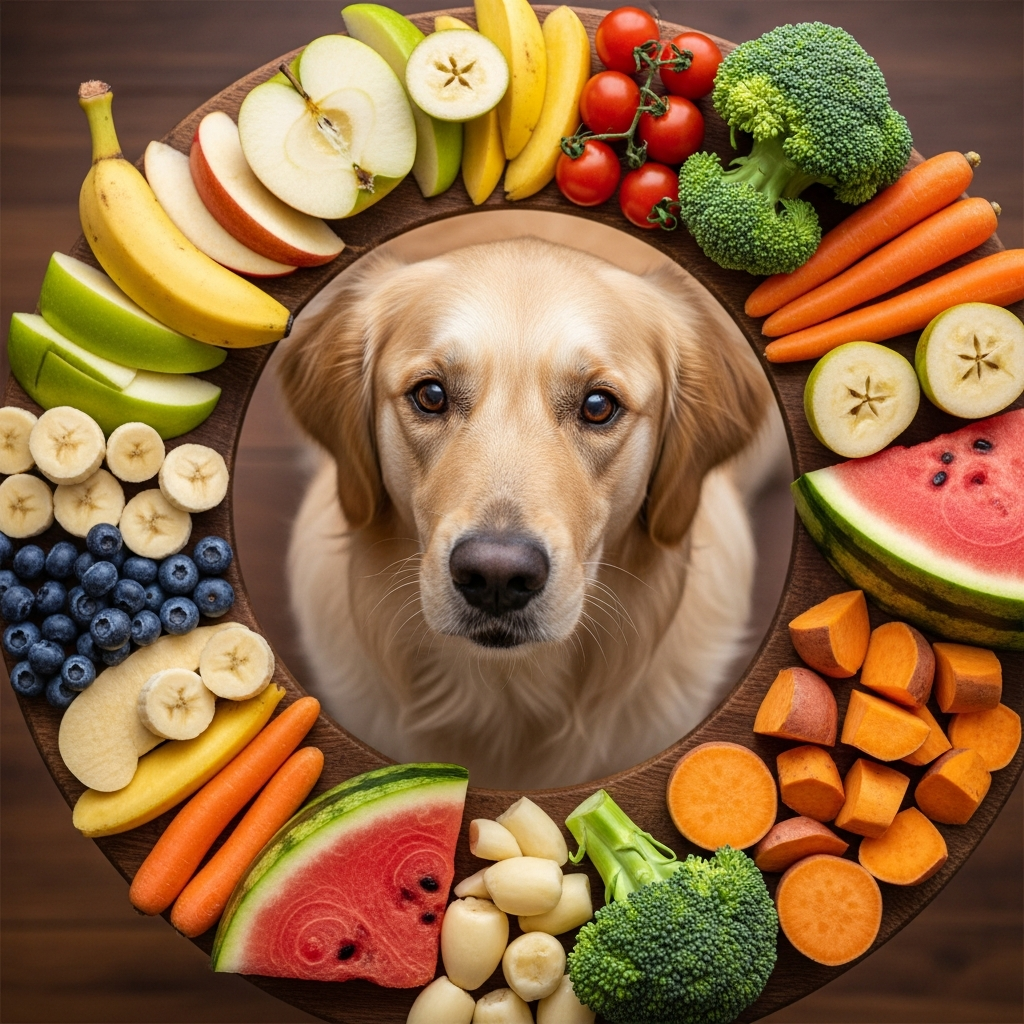
You are eating dinner. Your dog is staring at you with those eyes. You want to share, but you are not sure if that food is safe. Maybe you Googled it once and got contradictory answers.
This guide is the definitive, bookmarkable list of human foods your dog can and cannot eat. Every entry includes a clear verdict, a brief explanation, and any important caveats. No fluff, no ambiguity.
If your dog has already eaten something potentially toxic, contact your veterinarian or the ASPCA Animal Poison Control Center at (888) 426-4435 immediately. Time is critical with many toxic foods.
Understanding the Ratings
Each food is rated on a simple scale:
- SAFE – Your dog can eat this. Moderation still applies.
- SAFE WITH CAUTION – Generally OK, but with specific preparation requirements or limitations.
- AVOID – Not recommended due to risk, even if not acutely toxic.
- TOXIC – Dangerous. Can cause illness, organ damage, or death.
Fruits
Apples
SAFE WITH CAUTION. Apple flesh is a healthy, low-calorie snack rich in vitamins A and C and fiber. Remove the seeds and core – apple seeds contain amygdalin, which releases cyanide when chewed. A few seeds accidentally consumed are unlikely to cause harm, but make it a habit to core apples before sharing.
Avocado
AVOID. The flesh of the avocado contains persin, a fungicidal toxin, in small amounts. While the levels in the flesh are generally low enough that a small amount is unlikely to cause serious problems, the pit, skin, and leaves contain much higher concentrations. The pit also presents a choking and intestinal obstruction hazard. Not worth the risk.
Bananas
SAFE. Bananas are a great low-calorie treat. They are high in potassium, fiber, and vitamins B6 and C. They are also high in natural sugar, so feed in moderation – a few slices as an occasional treat, not a daily staple. The peel is not toxic but is difficult to digest and should be removed.
Blueberries
SAFE. Blueberries are one of the best fruit options for dogs. They are rich in antioxidants, fiber, and vitamins C and K. Their small size makes them convenient training treats. Many commercial dog foods include blueberries as an ingredient. Fresh or frozen, both work well.
Cherries
AVOID. While cherry flesh is not toxic, the pits, stems, and leaves contain cyanide. The pits are also a choking hazard and can cause intestinal obstruction. The risk-to-reward ratio is not worth it when safer fruit options exist.
Coconut
SAFE WITH CAUTION. Coconut flesh and coconut oil are safe in small amounts. Coconut contains medium-chain triglycerides (MCTs) that may support skin and coat health. However, coconut is high in fat and can cause gastrointestinal upset or contribute to pancreatitis in large amounts. Avoid coconut water, which is too high in potassium for dogs.
Cranberries
SAFE WITH CAUTION. Fresh or dried cranberries are safe in small amounts. They may support urinary tract health due to their proanthocyanidin content. However, many dried cranberry products contain added sugar or are mixed with raisins (which are toxic). Only offer plain, unsweetened cranberries.
Grapes and Raisins
TOXIC. Grapes and raisins (including currants and sultanas) can cause acute kidney failure in dogs. The toxic compound has not been definitively identified, and there is no safe amount – some dogs react to just a few grapes while others tolerate more. Toxicity appears unpredictable and is not dose-dependent in a consistent way. If your dog eats any amount of grapes or raisins, contact your veterinarian or poison control immediately.
Mangoes
SAFE WITH CAUTION. Mango flesh is safe and nutritious, containing vitamins A, B6, C, and E. Remove the skin (which can be difficult to digest) and especially the pit, which is a choking hazard and contains small amounts of cyanide. Feed in moderation due to high sugar content.
Oranges
SAFE WITH CAUTION. Orange flesh is safe in small amounts. Oranges are high in vitamin C and fiber. Remove the peel and seeds. The high citric acid content can cause gastrointestinal upset in some dogs, so start with a small segment and see how your dog tolerates it. Many dogs do not enjoy the taste.
Peaches
SAFE WITH CAUTION. Peach flesh is safe and contains vitamins A and C and fiber. Remove the pit, which is a choking hazard and contains cyanide. Do not feed canned peaches – they are packed in sugar syrup.
Pears
SAFE WITH CAUTION. Pear flesh is safe and nutritious. Remove the seeds and core (same cyanide concern as apples). Feed in moderation due to sugar content.
Pineapple
SAFE WITH CAUTION. Pineapple flesh is safe in small amounts. It contains bromelain (an enzyme that aids protein digestion), vitamin C, and manganese. Remove the tough outer skin and the core. The high sugar and acid content means small quantities only.
Strawberries
SAFE. Strawberries are safe and nutritious, containing vitamin C, fiber, and antioxidants. They also contain an enzyme that may help whiten teeth. Feed in moderation due to sugar content. Fresh or frozen, both are fine.
Watermelon
SAFE WITH CAUTION. Watermelon flesh is safe and an excellent hydration treat (92% water). Remove all seeds (which can cause intestinal blockage in small dogs) and the rind (difficult to digest and can cause gastrointestinal upset). Seedless watermelon is the easiest option.
Vegetables
Asparagus
SAFE WITH CAUTION. Asparagus is not toxic, but raw asparagus is tough and difficult for dogs to chew and digest. If you feed it, cook it first (without oil, butter, or seasoning). That said, there are more nutritious vegetable options for dogs.
Broccoli
SAFE WITH CAUTION. Broccoli is safe in small amounts. It contains vitamin C, fiber, and is low in fat. However, broccoli florets contain isothiocyanates, which can cause gastrointestinal irritation in some dogs. Keep broccoli to less than 10% of your dog’s daily intake. Steamed without seasoning is best.
Brussels Sprouts
SAFE WITH CAUTION. Safe and nutritious but famous for causing gas. If your dog (or your household) can handle the aftermath, small amounts of cooked Brussels sprouts provide vitamins and fiber. Steam or boil without seasoning.
Carrots
SAFE. Carrots are one of the best vegetable options for dogs. They are low in calories, high in fiber and beta-carotene, and the crunchy texture can help clean teeth. Both raw and cooked carrots are fine. Baby carrots make excellent low-calorie training treats at about 4 calories each.
Celery
SAFE. Celery is safe and low in calories. It contains vitamins A, B, and C and may help freshen dog breath. Cut into appropriate-sized pieces to prevent choking, especially for small dogs.
Corn
SAFE WITH CAUTION. Corn kernels are safe and are actually a common ingredient in many dog foods. The danger is the cob – corn cobs are a serious choking hazard and can cause intestinal obstruction that may require surgery. Never give your dog a corn cob. Plain corn kernels off the cob are fine in small amounts.
Cucumbers
SAFE. Cucumbers are an excellent low-calorie snack with virtually no fat. They are mostly water and provide vitamins K, C, and B1. A great option for overweight dogs who still deserve treats.
Garlic
TOXIC. Garlic is toxic to dogs. It belongs to the Allium family (along with onions, leeks, and chives) and causes oxidative damage to red blood cells, leading to hemolytic anemia. Garlic is actually more potent than onions by weight. Some holistic practitioners advocate small amounts of garlic for dogs, but veterinary toxicologists uniformly advise against it. The toxic dose is approximately 15-30 grams per kilogram of body weight, but chronic low-dose exposure can also cause damage over time.
Green Beans
SAFE. Green beans are a veterinarian-favorite treat – low in calories, high in fiber, and most dogs enjoy them. Fresh, frozen, or canned (no-salt-added only) are all fine. Some vets recommend green beans as a partial meal replacement for dogs on weight loss programs.
Mushrooms
SAFE WITH CAUTION. Store-bought mushrooms (white button, cremini, shiitake, portobello) are safe for dogs. However, wild mushrooms found in yards, parks, or forests can be extremely toxic and even deadly. Because the risk of a dog eating a wild toxic mushroom is real, many veterinarians advise avoiding mushrooms for dogs altogether. If you do share store-bought mushrooms, cook them plain without oil, butter, or seasonings.
Onions
TOXIC. All forms of onions – raw, cooked, dehydrated, powdered – are toxic to dogs. Like garlic, onions damage red blood cells and can cause hemolytic anemia. Onion powder is particularly dangerous because it is concentrated and often hidden in prepared foods, broths, and seasonings. Even small amounts consumed regularly can cause cumulative damage.
Peas
SAFE. Green peas, snow peas, sugar snap peas, and English peas are all safe for dogs. They provide protein, fiber, and vitamins A, B, and K. Peas are a common ingredient in many dog foods. Avoid canned peas with added sodium.
Potatoes
SAFE WITH CAUTION. Cooked potatoes (baked, boiled, or mashed without butter, salt, or seasoning) are safe for most dogs. Raw potatoes and green potatoes contain solanine, which is toxic. Never feed raw potato or potato sprouts. Due to their high glycemic index, potatoes should be fed in moderation, especially for overweight or diabetic dogs.
Pumpkin
SAFE. Plain, cooked pumpkin (or canned pumpkin puree – NOT pumpkin pie filling) is one of the most recommended foods for dogs. It is high in fiber and can help with both constipation and diarrhea by regulating digestive function. A tablespoon or two mixed into food is a common remedy for mild digestive upset. Rich in beta-carotene and low in calories.
Spinach
SAFE WITH CAUTION. Spinach is technically safe but contains oxalic acid, which in large quantities can interfere with calcium absorption and potentially contribute to kidney issues over time. Small amounts occasionally are fine, but spinach should not be a regular staple in your dog’s diet. Dogs with kidney issues should avoid it entirely.
Sweet Potatoes
SAFE. Cooked sweet potatoes are an excellent food for dogs. They are rich in fiber, beta-carotene, vitamins A and C, and potassium. Many dog foods use sweet potato as a quality carbohydrate source. Feed cooked (baked or steamed) without seasoning. Raw sweet potato is difficult to digest.
Tomatoes
SAFE WITH CAUTION. Ripe tomato flesh is safe in small amounts. However, the green parts of the tomato plant (stems, leaves, unripe green tomatoes) contain solanine and tomatine, which are toxic to dogs. If you grow tomatoes, keep your dog away from the plants. A slice of ripe red tomato as an occasional treat is fine.
Proteins
Chicken
SAFE WITH CAUTION. Cooked, unseasoned chicken (no bones, no skin) is one of the most common proteins in dog food and a staple for bland diets during digestive upset. Never feed cooked chicken bones – they splinter and can cause choking or intestinal perforation. Raw chicken carries bacterial risks (Salmonella, Campylobacter). Some dogs are allergic to chicken; it is one of the most common food allergens.
Eggs
SAFE WITH CAUTION. Cooked eggs (scrambled, hard-boiled, without oil or seasoning) are a nutritious treat packed with protein, fatty acids, and vitamins. Raw eggs carry a Salmonella risk and contain avidin, which can interfere with biotin absorption over time. Feed cooked eggs occasionally as a supplement, not as a primary food source.
Fish (Salmon, Tuna, etc.)
SAFE WITH CAUTION. Cooked, boneless fish is safe and provides excellent omega-3 fatty acids. Salmon, sardines, and whitefish are all good options. Important caveats: never feed raw salmon or trout from the Pacific Northwest (risk of salmon poisoning disease, which is fatal if untreated). Limit tuna due to mercury accumulation. Remove all bones. No seasoning.
Pork
SAFE WITH CAUTION. Lean, cooked, unseasoned pork is safe. Avoid fatty cuts, bacon (high sodium and fat), and ham (heavily processed and salted). Pork bones should never be given – they splinter easily. Raw pork carries a risk of trichinosis, though this is rare in commercially raised pork.
Shrimp
SAFE WITH CAUTION. Cooked, shelled, deveined shrimp is safe as an occasional treat. Shrimp is low in fat and calories and provides vitamin B12 and phosphorus. Remove the shell, tail, and vein. Never feed raw shrimp. Limit quantity due to cholesterol content.
Turkey
SAFE WITH CAUTION. Plain, cooked turkey without skin, bones, or seasoning is safe and is used in many commercial dog foods. Avoid seasoned turkey (garlic and onion powder in the seasoning are toxic). Thanksgiving turkey is typically heavily seasoned and basted in butter and should not be shared. Plain, unseasoned turkey breast is the safest option.
Dairy and Other
Cheese
SAFE WITH CAUTION. Most dogs can tolerate small amounts of cheese. It is high in protein and calcium and makes an excellent high-value training treat. However, some dogs are lactose intolerant, and cheese is high in fat and sodium. Use small pieces of low-fat cheese (mozzarella, cottage cheese) and avoid blue cheese (which can contain roquefortine C, a substance toxic to dogs).
Honey
SAFE WITH CAUTION. Honey is safe in very small amounts. It contains natural sugars, vitamins, and trace minerals. Some owners use local honey to help with environmental allergies, though scientific evidence for this is limited. Honey is high in sugar and should be given sparingly. Do not give honey to diabetic dogs or puppies (risk of botulism spores in puppies with immature immune systems).
Ice Cream
AVOID. Ice cream is not toxic, but it contains high levels of sugar and dairy that most dogs do not digest well. Lactose intolerance is common in adult dogs, and ice cream can cause diarrhea, gas, and bloating. Sugar-free ice cream is even worse – it may contain xylitol, which is deadly. If you want to treat your dog to a frozen snack, freeze plain yogurt or blend frozen bananas.
Milk
SAFE WITH CAUTION. Small amounts of plain milk are unlikely to cause harm, but many adult dogs are lactose intolerant. Signs of lactose intolerance include diarrhea, gas, and bloating. If your dog tolerates milk, small amounts are OK as an occasional treat. Goat’s milk is sometimes better tolerated.
Peanut Butter
SAFE WITH CAUTION. Most peanut butter is safe and is one of the most popular dog treats. It is high in protein, healthy fats, and vitamins B and E. CRITICAL WARNING: Check the label for xylitol (also called birch sugar or wood sugar). Some peanut butter brands use xylitol as a sweetener, and xylitol is extremely toxic to dogs. Choose peanut butter with only peanuts (and optionally salt) in the ingredient list. Also be mindful of calories – peanut butter is calorie-dense at roughly 95 calories per tablespoon.
Yogurt
SAFE WITH CAUTION. Plain, unsweetened yogurt is safe for dogs who tolerate dairy. It provides protein, calcium, and beneficial probiotics. Avoid flavored yogurts (added sugar) and any yogurt containing xylitol. Greek yogurt has more protein and less lactose, making it a better option for dogs with mild dairy sensitivity.
Nuts and Seeds
Almonds
AVOID. Almonds are not toxic, but they are difficult for dogs to digest and can cause gastrointestinal obstruction, especially in small breeds. They are also high in fat, which can trigger pancreatitis. Salted or flavored almonds add the additional risk of excessive sodium or toxic seasonings.
Cashews
SAFE WITH CAUTION. Unsalted, plain cashews are safe in very small quantities. They provide protein and healthy fats. However, their high fat content means they should be a rare treat, and only a few at a time. Avoid salted, flavored, or chocolate-covered varieties.
Macadamia Nuts
TOXIC. Macadamia nuts are toxic to dogs. Even a small number can cause weakness, vomiting, tremors, hyperthermia, and inability to walk (particularly affecting the hind legs). Symptoms usually appear within 12 hours. If your dog eats macadamia nuts, contact your veterinarian immediately. The toxic mechanism is not fully understood, but the effects are well-documented.
Peanuts
SAFE WITH CAUTION. Plain, unsalted peanuts are safe in small amounts. They are high in fat and should be an occasional treat only. Remove the shell. Never feed salted or flavored peanuts. Monitor for choking, as whole peanuts can be a hazard for small dogs.
Walnuts
AVOID. English walnuts are not toxic but are high in fat and difficult to digest. Black walnuts are toxic to dogs. Moldy walnuts of any variety can contain tremorgenic mycotoxins that cause seizures. Given the risks, it is best to avoid walnuts entirely.
Pantry Staples
Bread
SAFE WITH CAUTION. Plain white or wheat bread is safe in small amounts as an occasional treat. Bread has minimal nutritional value for dogs and adds empty calories. Never feed raw bread dough – yeast dough expands in the warm, moist environment of the stomach, causing bloating and potentially gastric dilation. The fermentation process also produces alcohol, adding alcohol toxicity to the risk.
Chocolate
TOXIC. Chocolate contains theobromine and caffeine, both of which are toxic to dogs. The darker the chocolate, the more dangerous it is:
| Chocolate Type | Theobromine Content | Danger Level | |—————|——————–|—– ———| | White chocolate | Very low | Minimal (but still not recommended) | | Milk chocolate | Moderate | Dangerous in moderate amounts | | Dark chocolate | High | Dangerous in small amounts | | Baking chocolate | Very high | Extremely dangerous in tiny amounts | | Cocoa powder | Highest | Most dangerous form |
Symptoms of chocolate toxicity include vomiting, diarrhea, rapid breathing, increased heart rate, seizures, and in severe cases, death. The toxic dose depends on the type of chocolate, the amount consumed, and the dog’s weight. If your dog eats chocolate, contact your vet or poison control immediately.
Cinnamon
SAFE WITH CAUTION. Small amounts of cinnamon are not toxic to dogs. However, cinnamon powder can irritate the mouth and lungs if inhaled, and large quantities can cause vomiting, diarrhea, and liver issues. The occasional cinnamon-flavored treat is fine; do not let your dog eat cinnamon sticks or large amounts of powder.
Coffee and Caffeine
TOXIC. Caffeine is a methylxanthine, the same family of compounds as theobromine in chocolate. Coffee, tea, energy drinks, caffeine pills, and coffee grounds are all dangerous. Symptoms are similar to chocolate toxicity: restlessness, rapid breathing, heart palpitations, muscle tremors, and seizures. Coffee grounds and tea bags are particularly dangerous because they contain concentrated caffeine.
Coconut Oil
SAFE WITH CAUTION. Coconut oil is safe in small amounts and may support skin and coat health. Start with very small quantities (1/4 teaspoon for small dogs, 1 teaspoon for large dogs) to avoid digestive upset. Coconut oil is high in saturated fat, so it should not be a daily supplement for overweight dogs or those with a history of pancreatitis.
Rice
SAFE. Plain cooked white rice is one of the safest foods for dogs and is the go-to recommendation for bland diets during digestive upset. Brown rice provides more fiber and nutrients but is harder to digest. Rice is a common ingredient in many commercial dog foods.
Salt
AVOID in excess. Small amounts of salt are not toxic and are actually an essential mineral for dogs. However, excessive salt causes increased thirst, urination, and in serious cases, sodium ion poisoning (symptoms include vomiting, diarrhea, tremors, seizures). Never feed heavily salted foods like chips, pretzels, or salted nuts. For dogs on low sodium diets, see our low sodium dog food guide.
Xylitol (Birch Sugar)
TOXIC. Xylitol is an artificial sweetener found in sugar-free gum, some peanut butters, sugar-free candy, baked goods, toothpaste, and many other products. In dogs, xylitol causes a rapid, massive release of insulin, leading to dangerous hypoglycemia (low blood sugar) within 10-60 minutes. It can also cause liver failure. Even small amounts can be fatal. This is one of the most dangerous substances a dog can ingest. Always check ingredient labels for xylitol, birch sugar, or wood sugar.
Alcohol
TOXIC. Dogs should never consume alcohol in any form – beer, wine, liquor, or foods containing alcohol (rum cake, beer batter, etc.). Dogs are much more sensitive to alcohol than humans. Even small amounts can cause vomiting, diarrhea, central nervous system depression, difficulty breathing, coma, and death. Alcohol toxicity can also occur from ingesting raw bread dough (fermentation produces ethanol) or products containing alcohol (vanilla extract, hand sanitizer).
Quick Reference Chart
| Food | Verdict | Key Note |
|---|---|---|
| Apples | SAFE (no seeds) | Remove core and seeds |
| Avocado | AVOID | Persin toxicity risk |
| Bananas | SAFE | Moderation (sugar) |
| Blueberries | SAFE | Great antioxidant treat |
| Carrots | SAFE | Excellent low-cal treat |
| Cheese | CAUTION | Small amounts, low-fat |
| Chicken (cooked) | SAFE | No bones, no seasoning |
| Chocolate | TOXIC | All types, especially dark |
| Coffee/Caffeine | TOXIC | All sources |
| Corn (off cob) | SAFE | Never give the cob |
| Eggs (cooked) | SAFE | No raw eggs |
| Garlic | TOXIC | All forms |
| Grapes/Raisins | TOXIC | Any amount, any form |
| Green Beans | SAFE | Great diet treat |
| Honey | CAUTION | Very small amounts |
| Macadamia Nuts | TOXIC | Causes weakness, tremors |
| Mushrooms (store) | CAUTION | Never wild mushrooms |
| Onions | TOXIC | All forms |
| Peanut Butter | CAUTION | Check for xylitol |
| Pumpkin (plain) | SAFE | Great for digestion |
| Rice | SAFE | Bland diet staple |
| Salmon (cooked) | SAFE | Never raw Pacific salmon |
| Sweet Potatoes | SAFE | Cook before serving |
| Watermelon | SAFE | Remove seeds and rind |
| Xylitol | TOXIC | Found in many products |
What to Do If Your Dog Eats Something Toxic
- Stay calm. Panicking does not help your dog.
- Identify what was eaten and how much, if possible. Save the packaging.
- Contact help immediately:
- Your veterinarian
- ASPCA Animal Poison Control: (888) 426-4435 (fee applies)
- Pet Poison Helpline: (855) 764-7661 (fee applies)
- Do not induce vomiting unless specifically instructed by a professional. Some substances cause more damage coming back up.
- Follow professional instructions and get to a veterinary clinic if directed.
Time is the most critical factor in poison cases. The sooner treatment begins, the better the outcome.
Frequently Asked Questions
Can dogs eat bones?
Raw bones appropriate to your dog’s size can be given under supervision. Never give cooked bones of any kind – cooking makes bones brittle and prone to splintering, which can cause choking, tooth fractures, and intestinal perforation. Avoid weight-bearing bones (like beef femurs) as they are harder than teeth and can cause slab fractures. Always supervise bone chewing.
Why can dogs eat some things that cats cannot (and vice versa)?
Dogs and cats have different metabolic pathways. For example, cats are obligate carnivores and cannot process certain plant compounds. Dogs are omnivores with a broader metabolic flexibility. However, some toxins affect both species (chocolate, xylitol, onions). Never assume a food safe for dogs is safe for cats or vice versa.
My dog ate [food] and seems fine. Should I still worry?
Some toxins have delayed effects. Grape and raisin toxicity can take 24-72 hours to show kidney damage. Xylitol can cause liver failure days after ingestion even if initial hypoglycemia is treated. If your dog ate something potentially toxic, contact your vet or poison control even if your dog currently appears normal.
Are organic fruits and vegetables better for dogs?
There is no evidence that organic produce provides significant health benefits for dogs over conventional produce. The most important thing is that the food is safe for dogs to eat, properly prepared (washed, cut appropriately, cooked if necessary), and fed in moderation. Wash all produce to remove pesticide residue regardless of whether it is organic.
How much human food can I give my dog?
The general veterinary recommendation is that treats and extras (including human food) should make up no more than 10% of your dog’s daily caloric intake. The remaining 90% should come from a nutritionally complete and balanced dog food. For more on portion sizing and calorie calculations, see our how much to feed a dog guide.
This guide is for informational purposes only and is not a substitute for professional veterinary advice or poison control. Individual dogs may react differently to foods based on breed, size, age, and health status. When in doubt, do not feed it. If your dog ingests something potentially toxic, contact your veterinarian or the ASPCA Animal Poison Control Center at (888) 426-4435 immediately.