Your dog doesn’t care about brand names, marketing copy, or influencer endorsements. They care about whether a harness pinches, whether a bed supports their joints, and whether that leash gives them enough freedom without yanking them sideways at every squirrel.
I’ve spent years testing gear on real dogs in real situations — morning walks in the rain, twelve-mile trail days, cross-country road trips, and everything in between. This guide is the result of all that time, money, and honest evaluation. Every product recommendation on this site comes from hands-on experience, not a press release.
If you’re here because you’re tired of buying gear that falls apart, doesn’t fit, or looks great on Amazon but fails in the field, you’re in the right place.
Why Dog Gear Matters More Than You Think
Most dog owners buy their first harness, leash, and collar based on whatever the pet store employee recommends. There’s nothing wrong with that — until you realize your dog pulls like a sled team and that back-clip harness is actually making the problem worse. Or until that “durable” leash snaps at the clip after three months. Or until your senior dog can barely get out of a flat bed because there’s zero support.
The right gear makes daily life with your dog dramatically better. The wrong gear makes it harder, more frustrating, and sometimes even dangerous.
Here’s what I mean:
- A properly fitted no-pull harness can turn a stressful walk into an enjoyable one — for both of you.
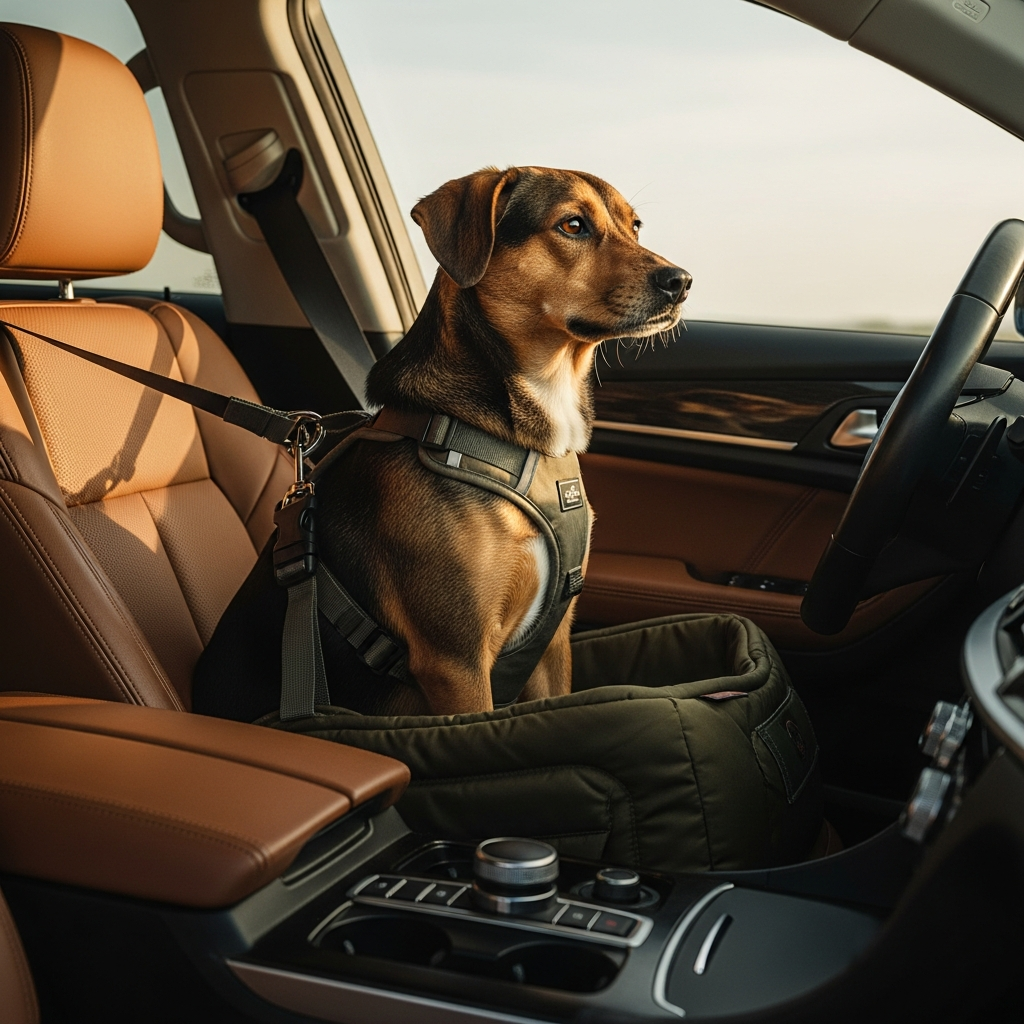
- A crash-tested car harness is the difference between your dog walking away from an accident and becoming a projectile.
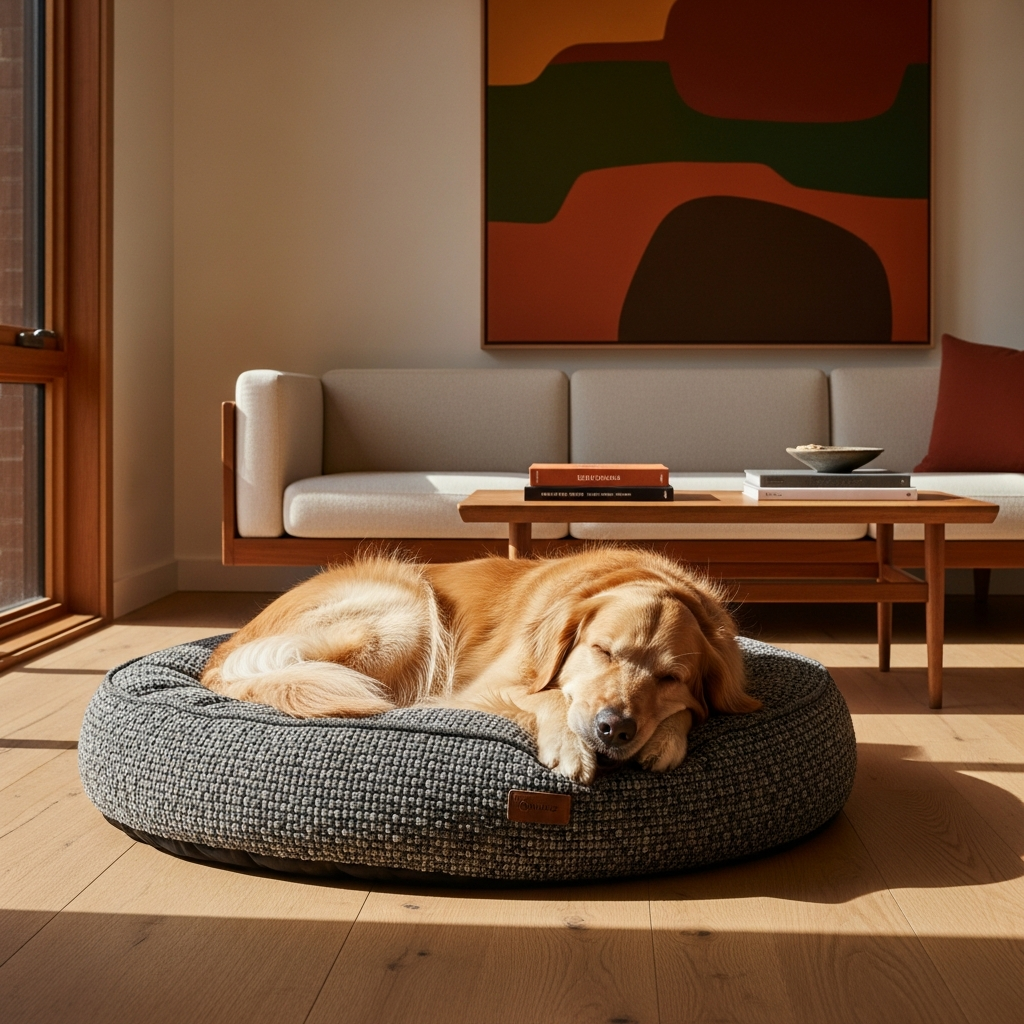
- An orthopedic bed can add years of comfortable mobility to a senior dog’s life.
- A GPS collar can bring a lost dog home. Period.
Gear isn’t glamorous. But it’s the foundation of everything else you do with your dog.
How I Test and Rank Dog Gear
I don’t rank products by star ratings on Amazon. Here’s my actual process:
Durability testing. Every product gets used for a minimum of four weeks in real conditions. That means walks, hikes, car rides, and daily wear. If the stitching frays, the buckle loosens, or the zipper fails, you’ll hear about it.
Fit across body types. A harness that works on a barrel-chested Labrador may be terrible on a deep-chested Greyhound. I test across multiple dog sizes and breeds whenever possible, and I’m honest about which body types each product works best for.
Value assessment. The most expensive product isn’t always the best, and the cheapest isn’t always a bad deal. I evaluate price against how long the product lasts, how well it performs, and whether a comparable option exists for less.
Real-world function over features. Marketing loves to pile on features. I care about whether the product does its primary job well. A leash with a built-in flashlight, poop bag dispenser, and water bottle holder is useless if the clasp breaks.
Harnesses, Collars, and Leashes
This is the gear you use every single day. Getting it right matters.
No-Pull Harnesses
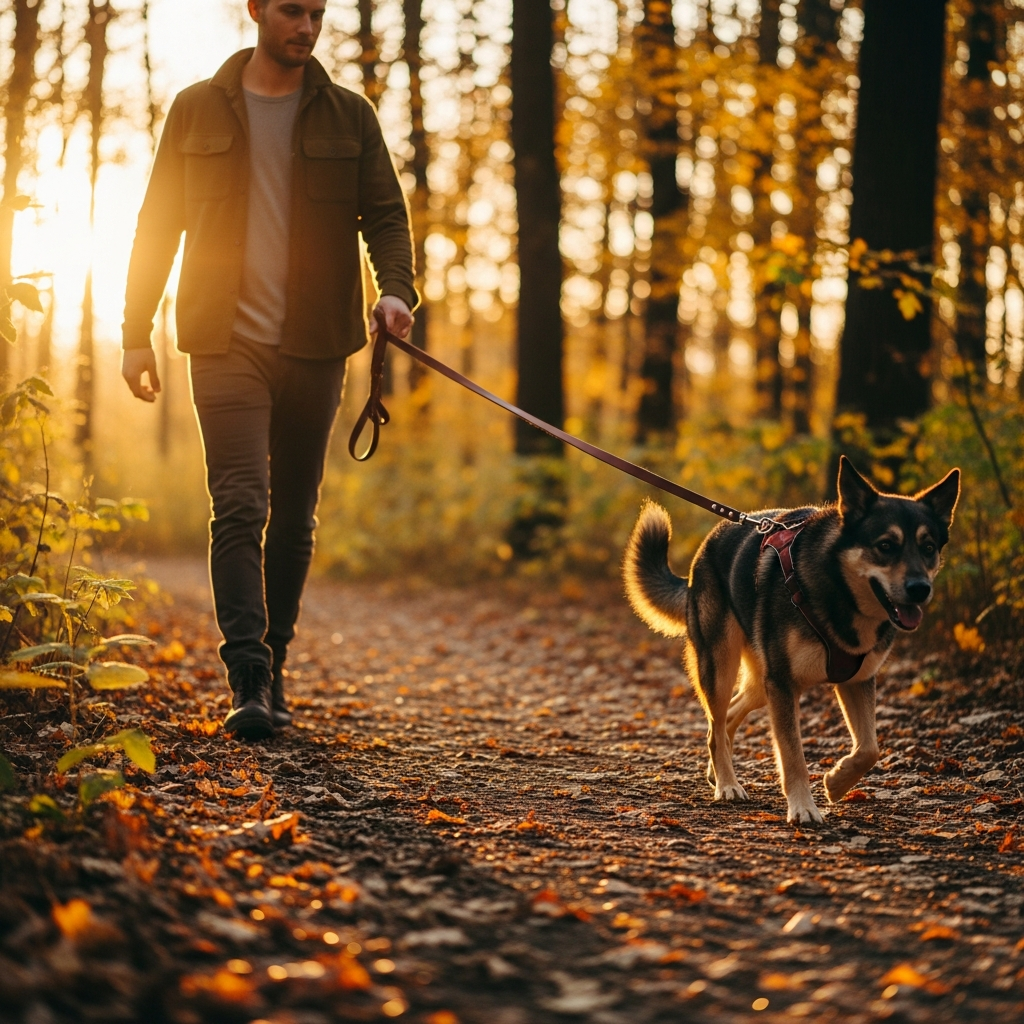
If your dog pulls on walks, the harness you choose has a bigger impact than you might realize. Front-clip harnesses redirect pulling force to the side, naturally discouraging lunging. Back-clip harnesses are comfortable but actually encourage pulling in strong dogs. Dual-clip harnesses give you the flexibility to switch between the two.
My top picks include the Ruffwear Front Range for everyday versatility, the PetSafe Easy Walk for dedicated pulling correction, and the Julius K9 IDC Powerharness for working dogs that need a bombproof build.
Read the full breakdown: Best No-Pull Dog Harness: 5 That Actually Work in 2026
Car Harnesses
Here’s a fact that surprised me when I first dug into this: most car harnesses marketed as “safety” harnesses have never been crash tested. The ones that have been tested — and actually passed — can be counted on one hand. If you drive with your dog, this is one of the most important pieces of gear you’ll ever buy.
The Center for Pet Safety (CPS) runs the only independent crash test program for pet restraints. Their certified list is short, and it should inform your purchase.
Read the full breakdown: Best Car Harness for Dogs: Crash-Tested Options Ranked
Dog Collars
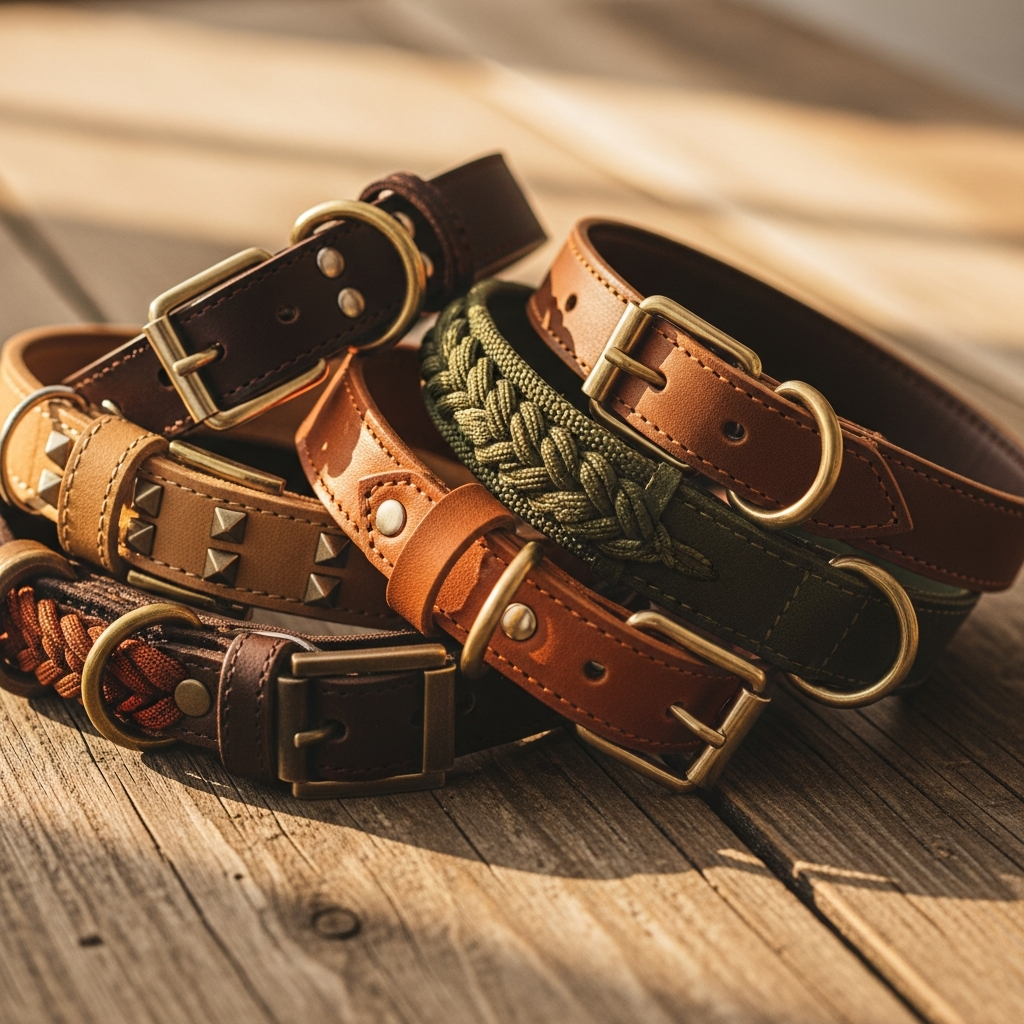
Collars serve different purposes depending on your dog and your situation. A flat collar is fine for holding ID tags on a dog that walks on a harness. A martingale provides gentle correction for dogs that slip out of standard collars. A breakaway collar is a safety essential for dogs that spend time in crates or around furniture where a collar could snag.
And then there are smart collars with GPS tracking, which have gotten genuinely good in the last two years.
Read the full breakdown: Best Dog Collars: What Type Does Your Dog Actually Need?
Dog Leashes
The “best leash” depends entirely on what you’re doing with your dog. A six-foot nylon leash is the workhorse for daily walks. A long line (15–30 feet) is essential for recall training. A hands-free leash is a game-changer for runners. And retractable leashes? I’ll be honest about when they’re acceptable and when they’re a liability.
Read the full breakdown: Best Dog Leash: The Right Leash for Every Situation
Beds and Sleep Gear
Dogs sleep 12–14 hours a day. That’s more than half their life. The bed you pick isn’t a luxury — it’s a health decision.
Dog Beds
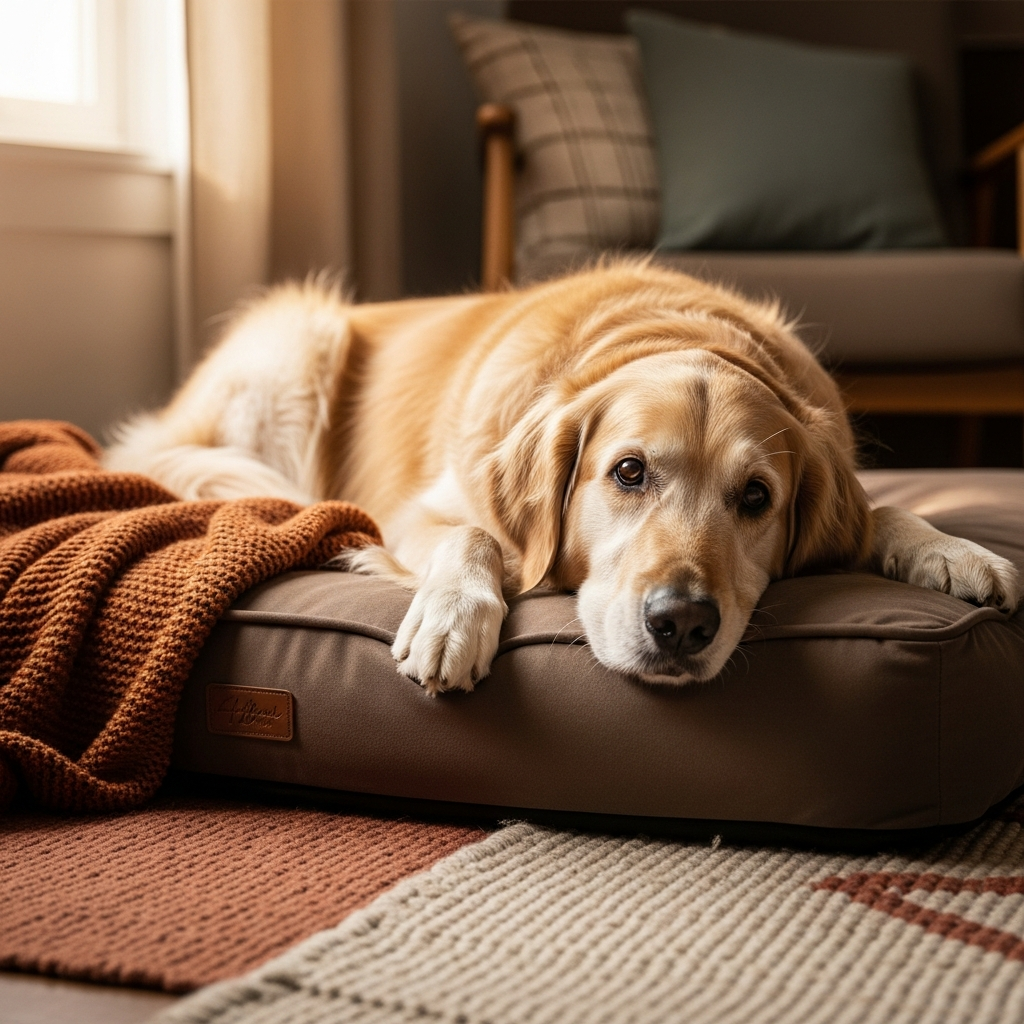
Choosing a bed means matching your dog’s size, age, and sleep style to the right type. Does your dog curl up in a ball? A bolster bed with raised edges gives them security. Does your dog sprawl flat? A large mat or platform bed is a better fit. Is your dog a chewer? You need a bed built to survive teeth.
I rank the best options across all categories and price points.
Read the full breakdown: Best Dog Bed in 2026: Ranked by Size, Age, and Sleep Style
Orthopedic Dog Beds
If you have a large breed or a dog over seven years old, an orthopedic bed isn’t optional — it’s necessary. The difference between a cheap foam bed and a properly engineered orthopedic bed comes down to foam density, support distribution, and whether the bed actually maintains its shape over time.
This matters because joint pain, arthritis, and hip dysplasia are reality for a huge number of dogs. The right bed can meaningfully improve their quality of life.
Read the full breakdown: Best Orthopedic Dog Bed: Worth It for Large and Senior Dogs
Crates
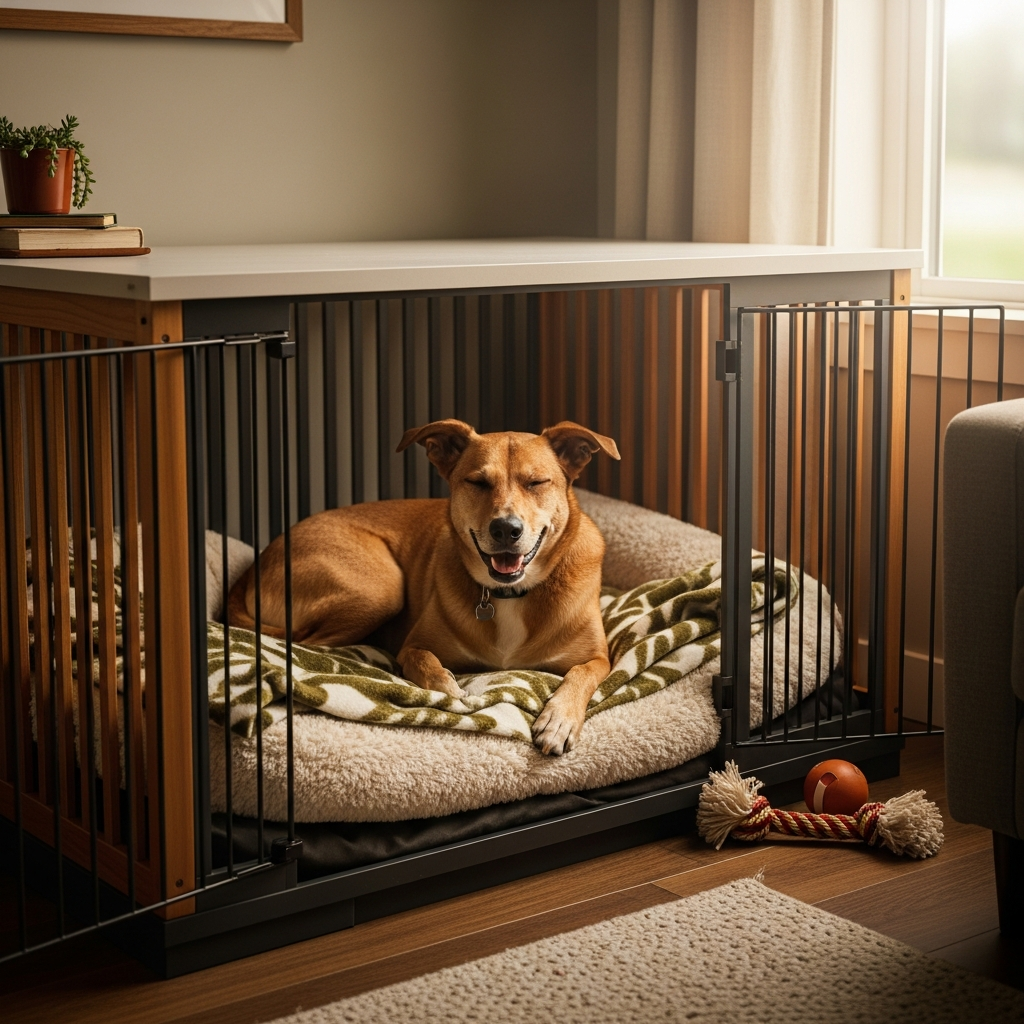
A crate isn’t a cage. Used correctly, it’s your dog’s personal space — a den where they feel safe and secure. But crate quality varies wildly, and size matters more than most people realize.
Wire crates offer the best ventilation and visibility. Plastic crates are better for travel and for anxious dogs who prefer an enclosed space. Furniture-style crates look great in your living room but have trade-offs in durability and function.
Getting the right size is critical: too small and your dog is cramped, too large and it defeats the purpose of crate training.
Read the full breakdown: Best Dog Crate: How to Choose and Set It Up Right
If you’re new to crate training, pair this guide with our crate training walkthrough for the complete picture.
Outdoor and Adventure Gear
This is where gear gets fun. If you hike, bike, camp, or travel with your dog, the right equipment opens up a world of shared adventure.
Dog Boots
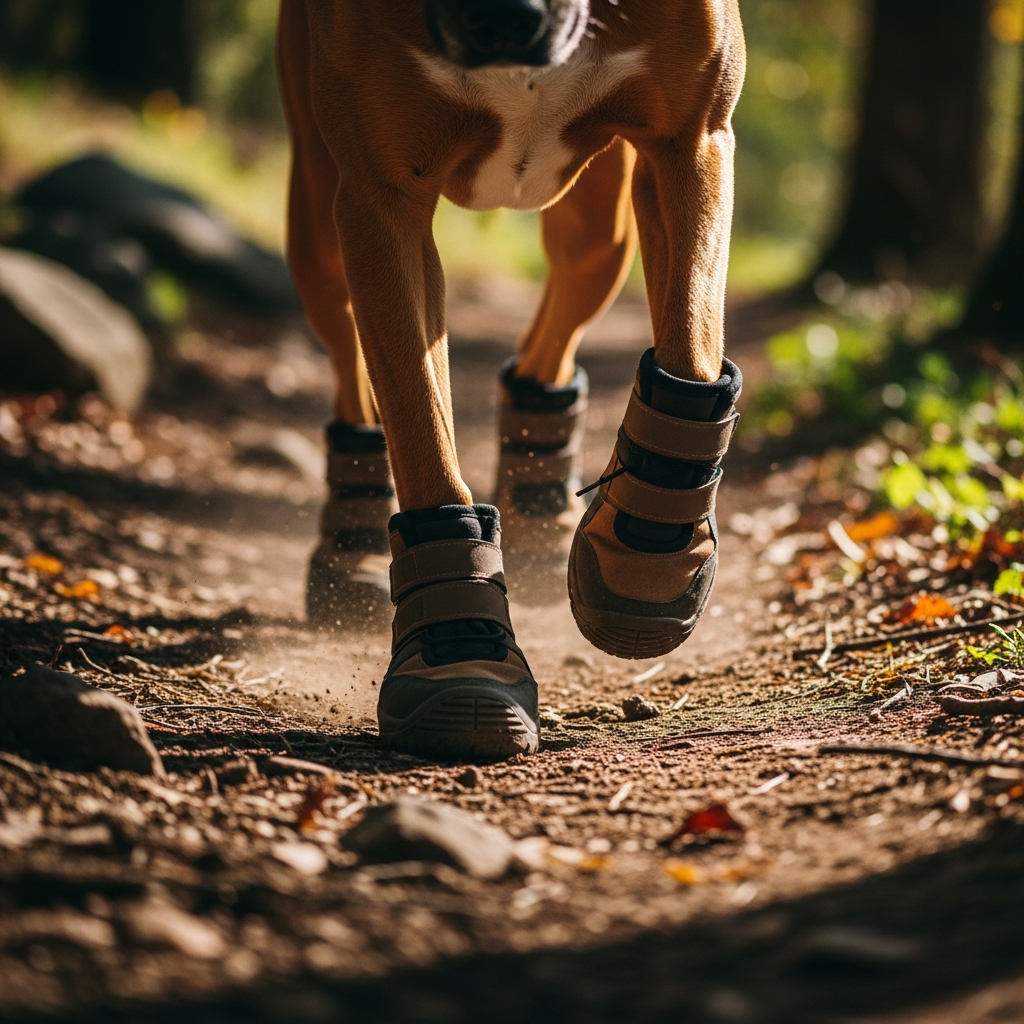
Most dogs don’t need boots for a walk around the block. But on hot pavement in summer, icy sidewalks with salt in winter, or rocky terrain on a trail — boots go from “nice to have” to essential. The challenge is finding boots that actually stay on, which is where most products fail.
Read the full breakdown: Best Dog Boots: When Your Dog Actually Needs Them
GPS Collars and Trackers
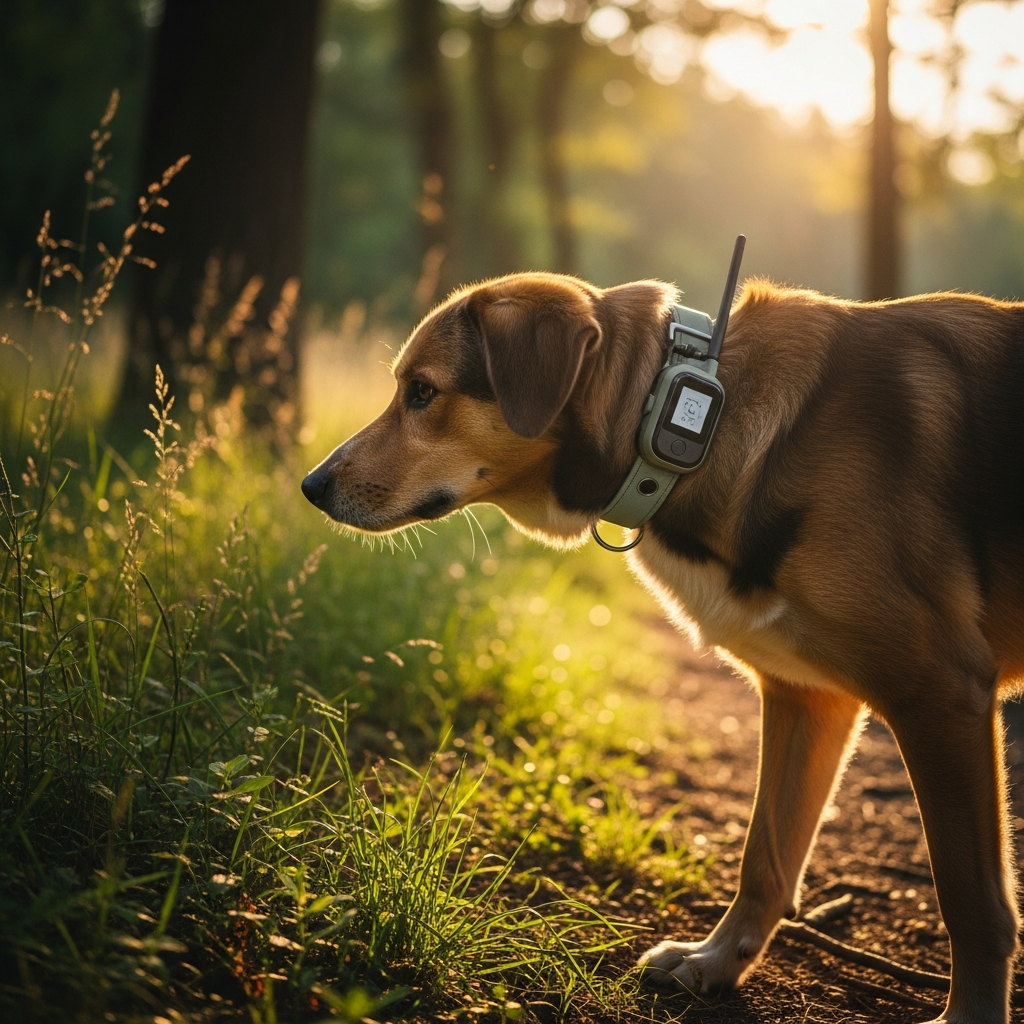
GPS dog trackers have improved dramatically. The current generation offers real-time tracking, escape alerts, activity monitoring, and multi-day battery life. The trade-off is subscription costs — most good GPS collars require a monthly plan.
I compare Fi, Whistle, and AirTag-based approaches, including the actual total cost of ownership over two years.
Read the full breakdown: Best GPS Dog Collar and Tracker in 2026
Dog Bike Baskets
Cycling with your dog is one of those activities that sounds complicated but is actually straightforward with the right basket. Front baskets work for small dogs (under 15 pounds). Rear baskets and trailers handle larger dogs. The key is weight limits, secure attachment, and a harness tether inside the basket.
Read the full breakdown: Best Dog Bike Basket: How to Take Your Dog for a Ride
Interactive Toys and Enrichment Gear
A tired dog is a good dog, and mental exercise is just as important as physical exercise. Puzzle feeders, Kongs, snuffle mats, and lick mats all give your dog a job to do — which reduces boredom, anxiety, and destructive behavior.
I rank the best interactive toys by difficulty level and dog size, so you can find options that actually challenge your dog rather than bore them in five minutes.
Read the full breakdown: Best Interactive Dog Toys for Bored Dogs (That Work)
If your dog struggles with anxiety or destructive behavior, also check out our guides on dog anxiety and mental enrichment for dogs.
Service Dog Gear
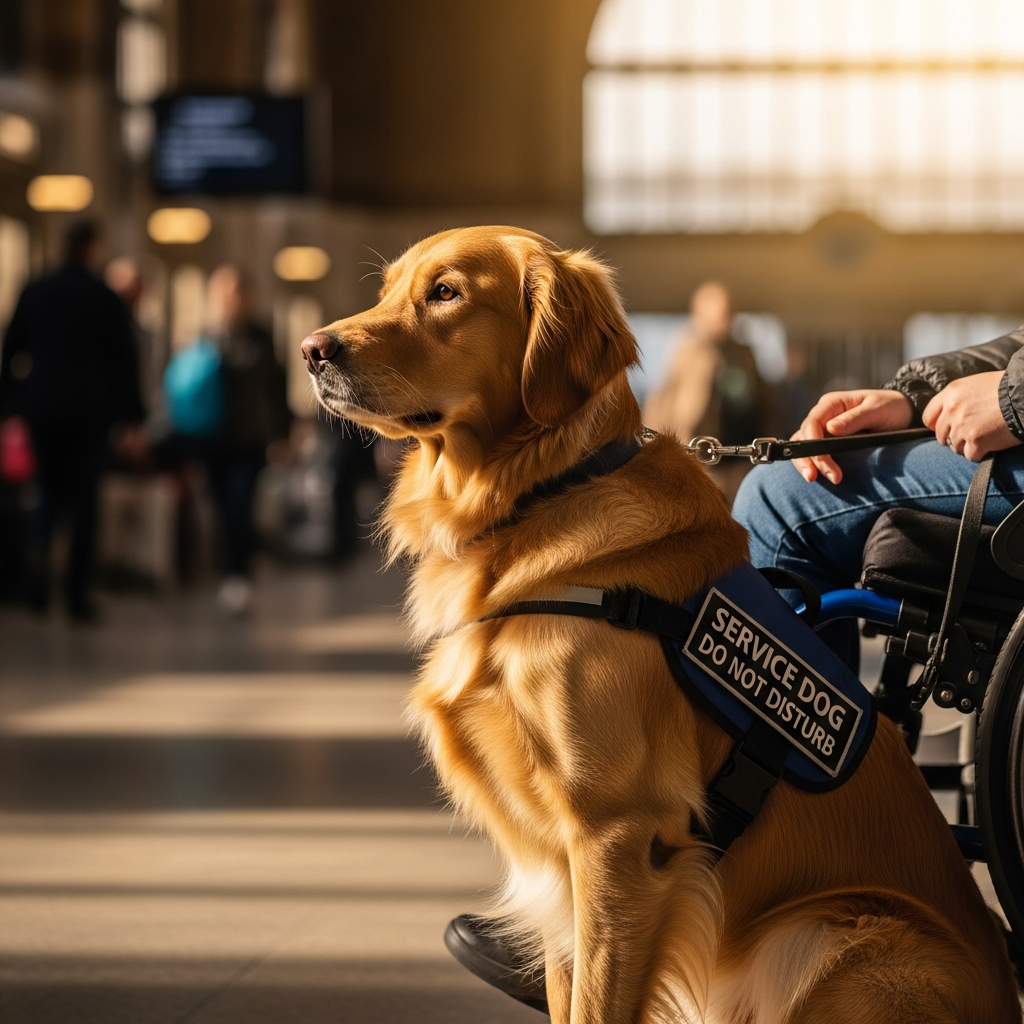
Service dog vests are one of the most misunderstood products in the pet industry. The ADA does not require service dogs to wear a vest, but a vest can help signal your dog’s working status in public. Understanding the legal framework and choosing appropriate gear matters — both for handlers who rely on service dogs and for the broader public.
Read the full breakdown: Service Dog Vest: What You Need to Know Before You Buy
How to Choose the Right Gear for Your Dog
There’s no universal “best” product for every dog. Here’s a framework for making smart choices:
Start With Your Dog’s Body Type
A 10-pound Chihuahua and a 90-pound German Shepherd don’t just need different sizes — they often need fundamentally different products. Barrel-chested breeds need harnesses with specific strap geometry. Deep-chested breeds need different sizing entirely. Giant breeds need reinforced hardware that can handle their weight.
Always measure your dog before ordering. Don’t trust the size chart on the product page alone — measure the actual chest girth, neck circumference, and weight, then compare to the manufacturer’s specifications.
Match Gear to Activity
Your daily walk gear doesn’t have to be your hiking gear. Many owners benefit from having:
- A lightweight everyday harness and standard leash for walks
- A more rugged harness, boots, and GPS collar for trail days
- A crash-tested car harness for any driving
Trying to make one product do everything usually means it doesn’t do anything particularly well.
Prioritize Function Over Aesthetics
I get it — a coordinating collar and leash set looks great on Instagram. But if the collar is too wide for your dog’s neck or the leash clasp is flimsy, the look doesn’t matter. Always prioritize fit, function, and durability. Then find a color you like.
Replace Gear When It’s Worn
Dog gear wears out. Leashes fray. Harness stitching loosens. Beds compress. Check your gear regularly and replace anything that shows signs of failure. A broken leash clasp at the wrong moment can turn into a dangerous situation.
Gear by Dog Life Stage
Puppies
Puppies grow fast, which means you’ll go through multiple sizes of harness and collar in the first year. Buy functional, affordable gear during the puppy stage — this is not the time to invest in a premium harness your dog will outgrow in eight weeks.
What puppies do need from day one: a properly sized crate (with a divider so it grows with them), a flat collar for ID tags, and a standard six-foot leash. Check out our new puppy checklist for the complete first-purchase list.
Adult Dogs
This is when you invest in quality. A well-fitted harness, a durable leash, and a bed that matches your dog’s sleep style will last for years. If you’re active with your dog, this is also the time to build out your adventure kit — boots, GPS collar, travel gear.
Senior Dogs
Senior dogs need gear that accommodates changing mobility. An orthopedic bed becomes essential. Harnesses with lift handles help dogs that struggle with stairs or getting into cars. Ramps and steps reduce joint strain. Our senior dog care guide covers the full picture.
Gear Red Flags: What to Avoid
Over the years, I’ve learned to spot products that aren’t worth your money:
- No-name brands with identical product photos — these are often the same cheap product rebranded by different sellers.
- “Unbreakable” or “indestructible” claims — no product is. If a brand makes absolute claims, they’re marketing, not engineering.
- Car harnesses without crash test certification — if they don’t mention CPS testing by name, assume they haven’t been tested.
- Retractable leashes with thin cord — the cord can snap, cut skin, or tangle. If you use a retractable, make sure it has a flat tape, not a cord.
- Beds without removable, washable covers — your dog’s bed will get dirty. If you can’t wash the cover, you’ll end up throwing the whole thing away.
Frequently Asked Questions
How much should I spend on a dog harness?
Plan to spend $25–$50 for a quality everyday harness. Premium options from Ruffwear or Julius K9 run $40–$80 but typically last much longer. Avoid spending less than $15 — the hardware and stitching on ultra-cheap harnesses tend to fail quickly.
Do dogs really need boots?
Most dogs don’t need boots for everyday use. But if you walk on salted winter sidewalks, hot summer pavement (test with the back of your hand — if it’s too hot for you, it’s too hot for paw pads), or hike on rocky terrain, boots protect against real injuries. Read our paw pad injury guide to understand the risks.
Is an expensive dog bed worth it?
For large breeds and senior dogs, yes. A quality orthopedic bed with high-density foam costs more upfront but maintains its support for years. Cheap beds compress within months and offer no joint support. For small, young, healthy dogs, a mid-range bed is perfectly fine.
What’s the most important piece of gear for a new dog owner?
A properly sized crate and a standard six-foot leash. The crate gives your dog a safe space and is essential for house training. The leash is what you’ll use every single day. Everything else can be added as you learn your dog’s specific needs.
Should I buy a harness or a collar?
Both. A collar holds ID tags and should stay on your dog at all times. A harness is what you attach the leash to for walks. Walking a dog on a collar alone puts pressure on the neck and trachea, which can cause injury — especially in dogs that pull.
How often should I replace my dog’s gear?
Inspect gear monthly. Replace leashes and harnesses when you see fraying, stretched webbing, or loose hardware. Replace beds when the foam stops bouncing back after your dog gets up. Replace collars when the buckle or clasp shows wear. Most quality gear lasts 2–3 years with daily use.
Are retractable leashes safe?
They can be, with caveats. Flat-tape retractable leashes from reputable brands (like Flexi) are reasonable for well-trained dogs in open areas. But they’re a poor choice for dogs that pull, for use near roads, or for any situation where you need immediate control. A standard six-foot leash is safer in most situations.
Prices on all product pages were last updated February 2026. We use affiliate links, which means we may earn a commission if you purchase through our links — at no additional cost to you. This doesn’t influence our rankings or recommendations.