Your dog can’t tell you what hurts. That’s the hard part. One day they’re tearing through the yard, the next they’re limping, squinting, or just… off. And you’re left staring at your phone at 11 PM, typing something like “is this normal” into a search bar.
I’ve been there more times than I’d like to admit. And what I’ve learned - through vet visits, late-night research, and a lot of trial and error - is that the best thing you can do for your dog is pay attention. Most health problems don’t show up as emergencies. They start small. A change in appetite. A weird smell. Slightly cloudy eyes. The owners who catch things early are the ones who save the most money and heartache down the road.
This guide is your starting point. It covers the major health topics every dog owner will eventually face, from common injuries and infections to grooming, mental health, insurance, and end-of-life decisions. Each section links to a deeper guide where you can get the full picture.
Important note: I’m a dog owner, not a veterinarian. This guide is built from research, experience, and conversations with vets, but it is not a substitute for professional veterinary care. If your dog is showing symptoms that worry you, call your vet. When in doubt, always consult a licensed veterinarian.
Common Injuries and First Aid
Dogs are athletes who don’t know they’re not invincible. They’ll run across hot pavement, step on glass, and play until something tears - and then look at you like nothing happened. Knowing basic first aid is one of the most practical skills you can have as a dog owner.
Paw Pad Injuries
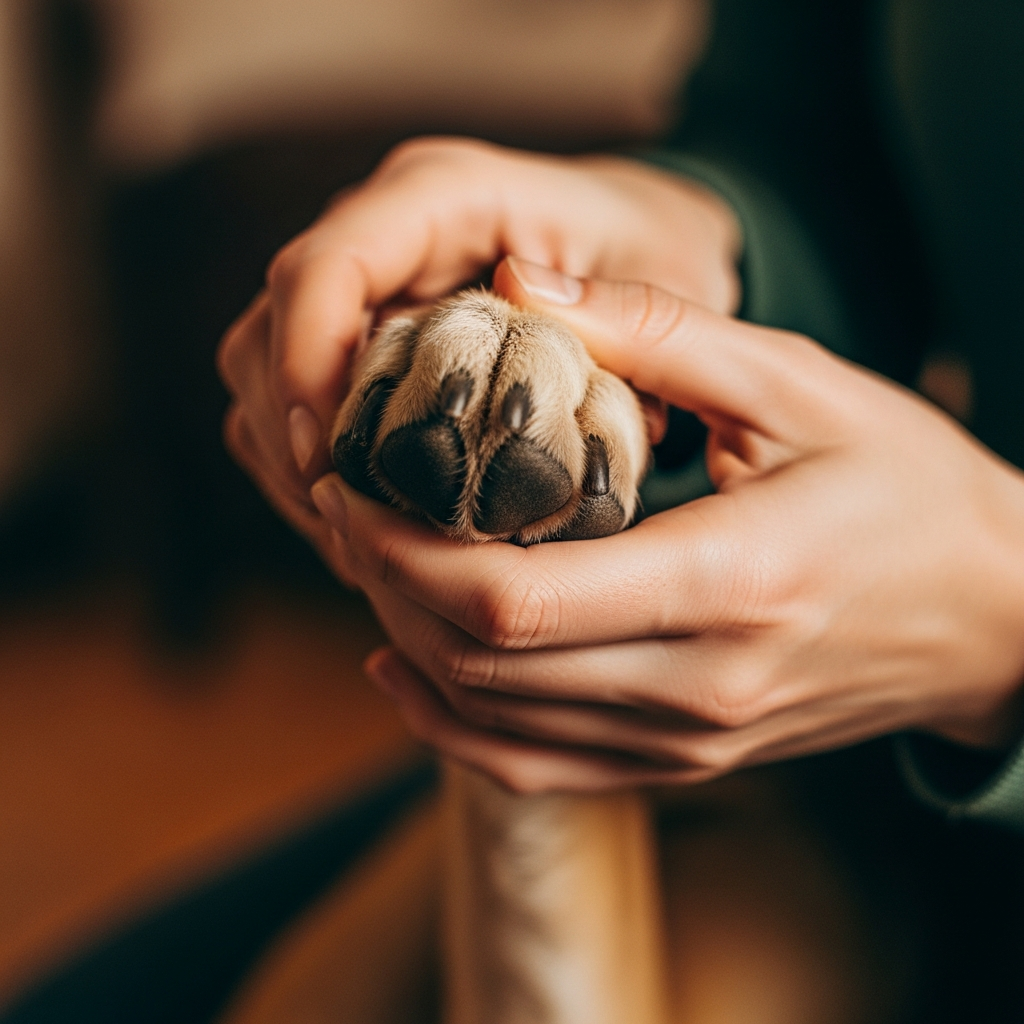
Paw pads take a beating. They crack in winter, burn on summer asphalt, and tear on rough terrain. The tricky part is that paw pad injuries bleed a lot but don’t always look serious, and sometimes the opposite is true - they look minor but are deep enough to need stitches.
If your dog starts limping or licking a paw obsessively, check the pad. You might find a cut, a burn, or a flap of torn skin. Basic first aid involves cleaning the wound with saline, applying an antiseptic, and bandaging it properly so your dog doesn’t chew it off within five minutes.
I’ve put together a full step-by-step guide on dog paw pad injuries that covers first aid, when to bandage vs. leave it open, and when you actually need a vet. It also covers prevention - because the right gear, like protective dog boots, can save you a lot of grief.
Eye Discharge and Eye Problems
A little bit of clear discharge in the morning? Normal for most dogs. But when it turns yellow, green, or crusty, or when your dog starts pawing at their eye - that’s a different story.
Some breeds are more prone to eye issues than others. Brachycephalic breeds (Bulldogs, Pugs, Shih Tzus) have shallow eye sockets that make them more vulnerable to irritation, infection, and tear overflow. But any dog can develop an eye problem from allergies, debris, or infection.
The key is knowing what different types of discharge mean and when home care is enough versus when you need a vet. Our full guide on dog eye discharge walks through every type, breed-specific risks, and a simple decision tree to figure out your next step.
Preventative Care
The cheapest vet visit is the one you never need. Preventative care isn’t glamorous, but it’s the foundation of a healthy dog. This means staying on top of parasites, dental health, and regular check-ups - the stuff that prevents small problems from becoming expensive ones.
Parasite Prevention
Fleas, ticks, and worms aren’t just gross - they cause real health problems. Flea allergies are one of the most common reasons for vet visits. Ticks carry Lyme disease, ehrlichiosis, and anaplasmosis. And internal parasites like roundworms and tapeworms can steal nutrients, cause weight loss, and even transmit to humans in rare cases.
The two big questions most owners have are what flea and tick prevention to use and whether their dog needs a dewormer.
For external parasites, flea collars have come a long way. The modern ones actually work - some provide up to eight months of continuous protection. But not all collars are created equal, and some are genuinely unsafe. Our guide to the best flea collars for dogs breaks down which ones are worth your money and which to avoid.
For internal parasites, the answer depends on what type of worm you’re dealing with. Over-the-counter dewormers handle some, but others require a prescription. Our dog dewormer guide covers the different types of worms, how to identify them, and which products actually work.
Dental Care
Here’s a stat that should get your attention: by age three, the majority of dogs show signs of dental disease. And yet most owners never brush their dog’s teeth. I get it - it’s awkward, the dog hates it, and it feels like an unnecessary battle. But dental disease doesn’t just affect the mouth. Advanced periodontal disease can send bacteria into the bloodstream and damage the heart, kidneys, and liver.
The good news is that dental care doesn’t have to be complicated. Regular brushing (even a few times a week), the right dental chews, and periodic professional cleanings can prevent most problems. Our guide on dog dental care covers brushing technique, the best dental products, and how often your dog really needs a professional cleaning.
Urinary Health
Urinary tract infections are more common than most owners realize, especially in female dogs. The symptoms - frequent urination, straining, accidents in the house, bloody or cloudy urine - are easy to dismiss as behavioral issues if you don’t know what to look for.
UTIs are treatable, but they do require a vet visit for proper diagnosis and antibiotics. The real value is knowing what to watch for so you catch it early, before it becomes a kidney infection. Our full guide on UTI in dogs covers symptoms, causes, what happens at the vet, and how to reduce the risk of recurrence.
Grooming as Health Care
Grooming isn’t just about making your dog look good. It’s a health check. Every time you brush your dog, you’re running your hands over their body and potentially catching lumps, skin changes, hot spots, or parasites you wouldn’t have noticed otherwise.
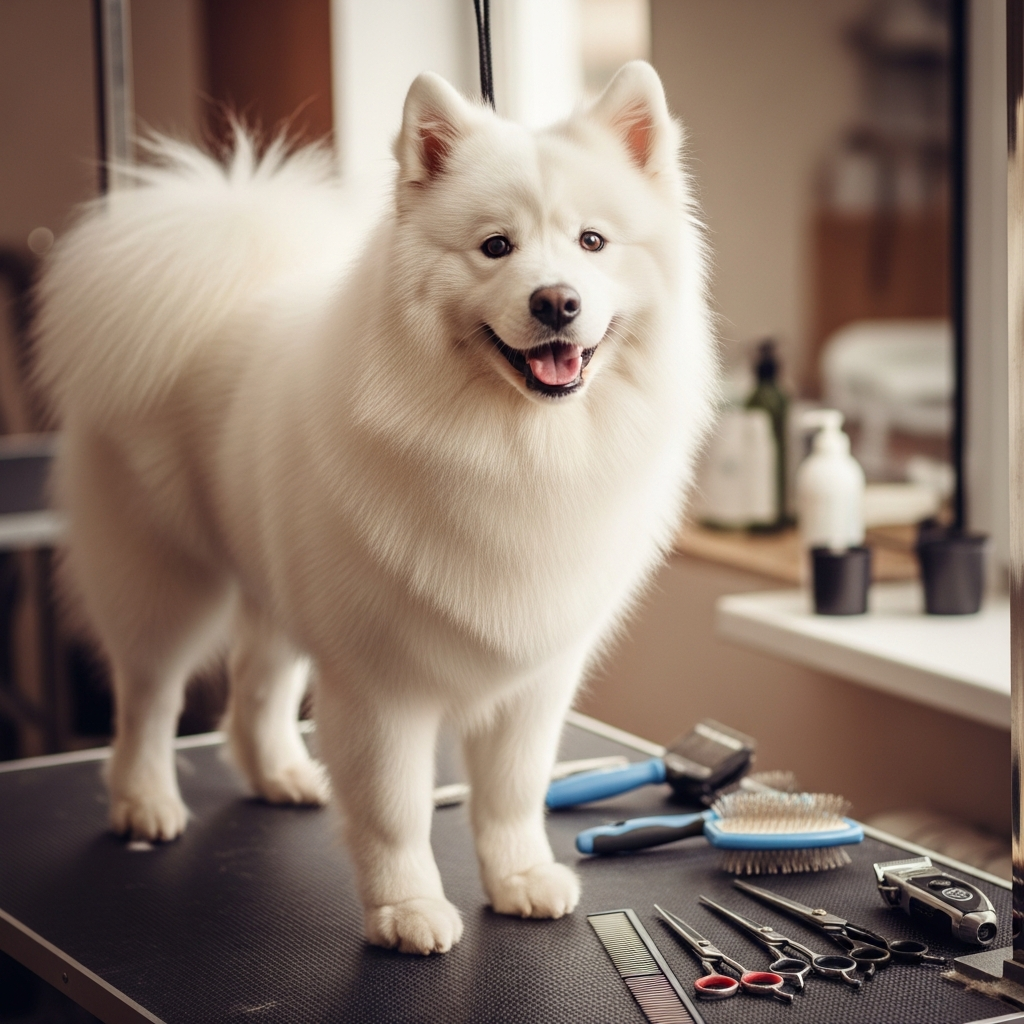
The basics - brushing, bathing, nail trimming, and ear cleaning - are things every owner can learn to do at home. You don’t need to spend $80 at a groomer every month. With the right tools and a little practice, home grooming saves money and keeps you in tune with your dog’s body.
The grooming routine also ties directly into other health areas. Regular ear cleaning prevents infections. Keeping the area around the eyes clean reduces the risk of discharge problems. And consistent nail trimming prevents painful overgrowth and posture issues.
Our complete guide on how to groom your dog at home covers all seven essential tools and walks you through each step, from brushing techniques for different coat types to the nail-trimming method that minimizes stress for both of you.
Mental Health and Anxiety
Dog anxiety is more common than most people think, and it looks different than you might expect. An anxious dog isn’t always cowering in a corner. Sometimes anxiety shows up as destructive behavior, excessive barking, compulsive licking, or even aggression. And it can be triggered by anything from thunderstorms and fireworks to being left alone or moving to a new house.
There’s a difference between situational anxiety (a dog that panics during storms) and chronic anxiety (a dog that can’t handle being alone for ten minutes). The approach to each is different, and in some cases, medication is genuinely the right call - not as a last resort, but as a tool that makes training possible.
If your dog shows signs of anxiety, our in-depth guide on dog anxiety covers the different types, behavioral signals to watch for, products that actually help (and ones that don’t), and when to talk to your vet about medication. For separation anxiety specifically, we also have a training-focused guide on dog separation anxiety that covers desensitization protocols.
Enrichment also plays a big role in managing anxiety. A bored dog is an anxious dog. Interactive toys and puzzle feeders give your dog something productive to focus on and can significantly reduce stress behaviors.
Senior Dog Care
Dogs age faster than we want them to. A seven-year-old Lab is already considered a senior, and by that point, things start to change - metabolism slows, joints stiffen, vision and hearing start to fade, and the risk of cancer, kidney disease, and cognitive decline all go up.
The shift to senior care isn’t dramatic. It’s gradual. You might notice your dog taking the stairs slower, sleeping more, or getting confused in familiar places. These aren’t just “getting old” - they’re signals that your dog’s needs are changing, and your care should change with them.
Senior care touches almost everything: diet (they need fewer calories but more joint support), exercise (shorter but more frequent walks), vet visits (twice a year instead of once), and home environment (ramps, orthopedic beds, non-slip surfaces).
Our complete senior dog care guide covers all of it, including dietary recommendations (with links to the best senior dog food), mobility aids, joint supplements, and how to recognize the early signs of cognitive dysfunction.
End-of-Life Care
This is the section nobody wants to read, but everyone eventually needs. Knowing what to expect when your dog is approaching the end of their life can help you make decisions from a place of clarity rather than panic.
End-of-life care is about comfort, dignity, and being present. It means recognizing when your dog’s quality of life has changed, understanding your options (including in-home euthanasia), and giving yourself permission to grieve.
Our guide on what to do when your dog is dying is written to be compassionate but practical. It covers the physical signs of approaching death, how to keep your dog comfortable, what happens during euthanasia, and resources for coping with loss. It’s not easy to read, but having the information before you need it makes an enormous difference.
When to See the Vet vs. When to Wait
One of the hardest calls as a dog owner is knowing when something needs a vet and when you can manage it at home. Here’s a general framework:
See a vet immediately if:
- Your dog is having difficulty breathing
- They’ve ingested something toxic (chocolate, xylitol, grapes, medications, etc.)
- There’s uncontrolled bleeding
- They can’t stand or walk
- They’re having a seizure
- Their abdomen is swollen and hard (possible bloat - life-threatening)
- They haven’t eaten or had water in 24+ hours
- There’s a sudden change in behavior (extreme lethargy, aggression, hiding)
Schedule a vet visit within a few days if:
- Persistent limping that doesn’t improve with rest
- Eye discharge that’s yellow or green
- Recurring ear scratching or head shaking
- Increased thirst and urination
- Unexplained weight loss or gain
- Lumps or bumps that are new or growing
- Bad breath that’s gotten noticeably worse
Monitor at home (for now) if:
- Mild, clear eye discharge
- A single episode of vomiting or diarrhea with no other symptoms
- A minor scrape or superficial cut
- Occasional scratching without hair loss or redness
The goal is to avoid two extremes: rushing to the emergency vet for every sneeze, and ignoring something that actually needs attention. Trust your gut. You know your dog better than anyone. If something feels wrong, it probably is.
Dog Health Insurance
Vet care isn’t cheap, and it’s getting more expensive every year. A single emergency surgery can cost $3,000 to $7,000. Cancer treatment can run over $10,000. And even routine senior care adds up fast when your dog needs bloodwork, dental cleanings, and prescription medications every few months.
Pet insurance is one of those things that seems like a waste of money until you need it. The challenge is figuring out whether it makes financial sense for your specific situation - because for some dogs and some owners, it genuinely doesn’t.
The key factors are your dog’s breed (some breeds are predisposed to expensive conditions), your financial cushion (can you absorb a $5,000 emergency?), and when you sign up (pre-existing conditions are never covered, so earlier is better).
Our comprehensive guide on dog health insurance compares the top providers, breaks down what’s actually covered, and gives you a clear decision framework to figure out if it’s worth the monthly premium for your situation.
Building a Preventative Health Routine
The single best thing you can do for your dog’s health is build a routine and stick to it. Here’s what a solid preventative health routine looks like:
Daily
- Quick body check during petting (feel for lumps, check ears, look at eyes)
- Dental chew or teeth brushing
- Watch for changes in appetite, energy, and behavior
Weekly
- Full brushing and coat inspection
- Ear cleaning (for floppy-eared breeds, more often)
- Check paw pads for cracks, debris, or injuries
- Nail check (trim if needed)
Monthly
- Flea and tick prevention (if using a monthly product)
- Weigh your dog (unexplained weight changes are a red flag)
- Check teeth for tartar buildup
Twice a Year
- Vet wellness exam (annually for dogs under 7, twice yearly for seniors)
- Fecal test for parasites
- Bloodwork for senior dogs
Annually
- Vaccinations (core and lifestyle-based)
- Heartworm test
- Dental cleaning if recommended by your vet
This routine catches most problems early, before they become expensive or dangerous. It takes almost no extra time once it becomes habit, and it gives you a baseline for what “normal” looks like for your dog - which is the single most valuable thing when something changes.
What This Guide Covers
This pillar page is your hub for all dog health content on The Dog Effect. Here’s a quick directory of everything we cover in depth:
- Dog Paw Pad Injury - First aid, treatment, and prevention for torn, cracked, or burned paw pads
- Dog Eye Discharge - What different types of discharge mean and when to worry
- What to Do When Your Dog Is Dying - End-of-life signs, comfort measures, and coping with loss
- Senior Dog Care - Diet, mobility, vet care, and quality of life after age 7
- UTI in Dogs - Symptoms, treatment, and prevention of urinary tract infections
- Dog Dewormer - Types of worms, product picks, and a prevention schedule
- How to Groom Your Dog - Tools, techniques, and a step-by-step home grooming guide
- Best Flea Collar for Dogs - Honest rankings and safety information
- Dog Anxiety - Signs, causes, and evidence-based treatments
- Dog Health Insurance - Provider comparisons and a decision framework
- Dog Dental Care - Brushing, dental chews, and professional cleaning guidance
Frequently Asked Questions
How often should I take my dog to the vet?
For healthy adult dogs (ages 1-7), an annual wellness visit is standard. Senior dogs (7+) should go twice a year because health issues can develop and progress quickly at that stage. Puppies need multiple visits in the first year for vaccinations and developmental checks. And of course, any time you notice something concerning, don’t wait for the scheduled visit.
What are the most common health problems in dogs?
The most common issues vets see are skin allergies, ear infections, dental disease, obesity, arthritis, and gastrointestinal issues. Many of these are preventable or manageable with routine care. Breed-specific conditions (like hip dysplasia in large breeds or breathing issues in brachycephalic breeds) are also extremely common.
How do I know if my dog is in pain?
Dogs are stoic by nature and often hide pain. Signs to watch for include limping, reluctance to jump or climb stairs, decreased appetite, excessive panting, whimpering or yelping when touched, restlessness, and changes in posture. Subtle signs like a tucked tail, pinned ears, or avoiding eye contact can also indicate discomfort. If you suspect your dog is in pain, consult your vet - there are safe and effective pain management options available.
Is it cheaper to treat health issues or prevent them?
Prevention wins almost every time. A year of flea prevention costs a fraction of treating a flea allergy dermatitis or a tick-borne illness. Dental chews and occasional brushing are dramatically cheaper than a $600-$1,000 professional cleaning under anesthesia. And catching a UTI early with a $200 vet visit is far better than treating a kidney infection that costs ten times that. The preventative health routine outlined above is your best financial defense.
Should I get pet insurance for my dog?
It depends on your financial situation, your dog’s breed, and your risk tolerance. If a $5,000 emergency bill would create real financial stress, insurance is worth considering. If you have the savings to self-insure, a dedicated “dog fund” might make more sense. The earlier you sign up, the better - pre-existing conditions are never covered. Our dog health insurance guide breaks down the math in detail.