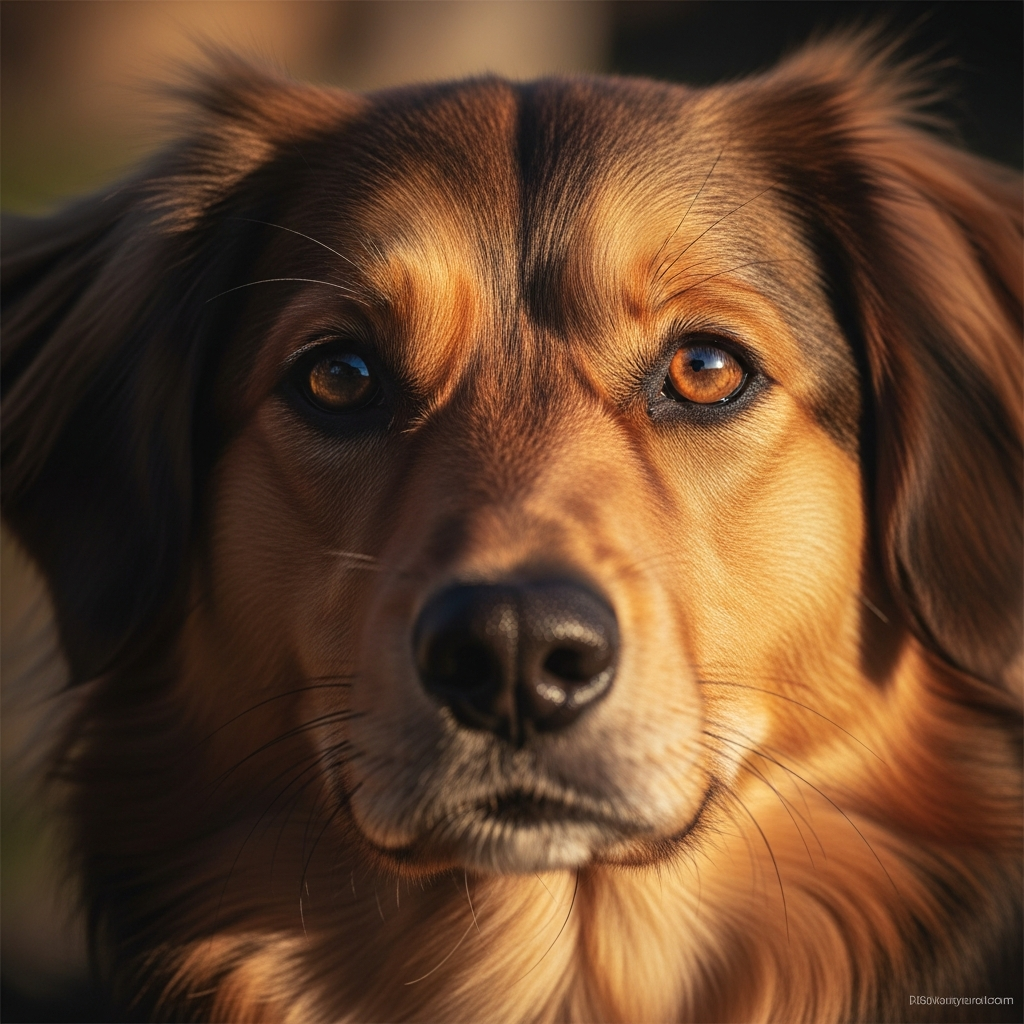
You wake up in the morning, look at your dog, and there it is - a glob of gunk in the corner of their eye. Maybe it’s clear. Maybe it’s brown and crusty. Maybe it’s green and your stomach just dropped a little.
Dog eye discharge is incredibly common, and most of the time it’s nothing serious. But sometimes it’s a sign of infection, allergies, or an underlying condition that needs veterinary attention. The difference between “normal” and “vet-worthy” comes down to color, consistency, frequency, and whether your dog’s behavior has changed.
I’ve spent way too many mornings wiping eye gunk off my dog’s face, so I get the frustration. This guide breaks down exactly what each type of discharge means, which breeds are most at risk, what you can do at home, and when you need to pick up the phone and call your vet.
Important: Eye problems can escalate quickly. If your dog’s eye is swollen, the discharge is heavy and colored, or your dog is pawing at their eye constantly, don’t wait - consult your veterinarian. This guide is informational and is not a substitute for professional diagnosis and treatment.
Types of Eye Discharge: What Each Color Means
The color and consistency of your dog’s eye discharge tells you a lot about what’s going on. Here’s your quick reference.
Clear and Watery
What it usually means: Irritation, allergies, or normal tearing.
A thin, clear, watery discharge is the most common and usually the least concerning. Think of it like your eyes watering when dust blows in your face. Common causes include:
- Wind, dust, or pollen exposure
- Seasonal allergies
- A stray hair or eyelash irritating the eye
- Dry air (especially in winter with indoor heating)
If it’s occasional, affects both eyes equally, and your dog isn’t showing any other symptoms, this is typically normal. If it’s constant or excessive, it could indicate allergies or a blocked tear duct.
White or Gray Mucus
What it usually means: Dry eye (keratoconjunctivitis sicca, or KCS).
A thick, whitish, or grayish mucus discharge can be a sign of dry eye - a condition where the tear glands don’t produce enough moisture. Without adequate tears, the eye compensates by producing thick mucus.
Dry eye is more common in certain breeds (Cocker Spaniels, Bulldogs, West Highland Terriers) and can lead to serious corneal damage if untreated. If you’re seeing consistently thick, white discharge, schedule a vet visit. Dry eye is treatable, usually with prescription eye drops that stimulate tear production.
Yellow or Green Discharge
What it usually means: Infection.
This is the one that should get your attention. Yellow or green discharge, especially when it’s thick and accompanied by redness, swelling, or squinting, almost always indicates an infection - bacterial conjunctivitis being the most common culprit.
Other possible causes include:
- Bacterial infection
- Viral infection (canine distemper in unvaccinated dogs)
- Foreign body in the eye
- Corneal ulcer
- Upper respiratory infection
Yellow or green discharge needs a vet visit. Don’t try to treat this one at home with over-the-counter drops - you need a proper diagnosis to rule out serious conditions, and prescription antibiotic eye drops are usually required.
Brown or Reddish-Brown Staining (Tear Stains)
What it usually means: Excess tearing with normal pigmentation.
Those reddish-brown streaks you see running from the inner corner of the eye down the muzzle are called tear stains. They’re caused by porphyrins - iron-containing molecules in tears that turn reddish-brown when exposed to air.
Tear staining is a cosmetic issue, not a medical one, in most cases. It’s extremely common in:
- White or light-colored dogs
- Small breeds (Maltese, Bichon Frise, Shih Tzu)
- Brachycephalic breeds with shallow eye sockets
However, if tear staining is new, worsening, or accompanied by other symptoms, it could indicate a blocked tear duct, eye infection, or allergies.
Crusty, Dried Discharge
What it usually means: Normal nighttime tearing that dried while your dog slept.
Small amounts of dried, crusty discharge in the corners of the eyes after sleep are completely normal. Just like humans get “sleep” in their eyes, dogs do too. Gently wipe it away with a warm, damp cloth each morning as part of your routine.
If the crust is excessive, consistently colored, or your dog’s eyes are stuck shut in the morning, that’s abnormal and worth investigating.
Breeds Most Prone to Eye Discharge Problems
Certain breeds are genetically predisposed to eye issues due to their facial structure, eye shape, or tear duct anatomy. Knowing if your breed is at higher risk helps you stay ahead of problems.
Brachycephalic Breeds (Flat-Faced Dogs)
Bulldogs, Pugs, French Bulldogs, Boston Terriers, Pekingese, and Shih Tzus have shallow eye sockets and prominent eyes. This makes them vulnerable to:
- Chronic tear overflow (epiphora) because the tears can’t drain properly
- Corneal irritation from eye exposure
- Entropion (eyelids rolling inward, causing lashes to scratch the cornea)
- Higher risk of eye injuries because the eyes protrude
If you own a brachycephalic breed, daily eye cleaning should be part of your grooming routine.
Breeds Prone to Dry Eye
Cocker Spaniels, West Highland White Terriers, Cavalier King Charles Spaniels, Bloodhounds, and Lhasa Apsos have a higher incidence of keratoconjunctivitis sicca (dry eye). Watch for thick mucus discharge and a dull appearance to the eye surface.
Breeds with Heavy Tearing
Poodles, Maltese, Bichon Frise, and other white or light-coated breeds show tear staining more visibly. While tear staining itself is cosmetic, excessive tearing can indicate an underlying issue like allergies or a blocked tear duct.
Breeds Prone to Cherry Eye
Beagles, Bulldogs, Cocker Spaniels, and Bloodhounds are more likely to develop cherry eye - a condition where the third eyelid gland prolapses, creating a red, swollen mass in the corner of the eye. This requires surgical correction.
Home Care for Dog Eye Discharge
For mild, clear, or crusty discharge with no other symptoms, home care is straightforward.
Daily Eye Cleaning
Use a warm, damp cloth or a pet-safe eye wipe to gently clean around the eyes. Wipe from the inner corner outward, and use a separate section of the cloth for each eye to avoid cross-contamination.
For dogs with chronic tear staining, daily cleaning is essential to prevent the stained fur from becoming a breeding ground for bacteria and yeast.
Saline Rinse
A sterile saline solution (the kind sold for contact lens rinsing, with no added cleaning agents) can flush out debris and soothe irritated eyes. Gently drip the solution into the eye and let your dog blink it out naturally. Don’t use a forceful stream.
Trim Fur Around the Eyes
Long fur around the eyes can trap debris, hold moisture, and irritate the eye surface. Carefully trim the fur (or have your groomer do it) to keep the area clean and dry. Blunt-tipped scissors or grooming shears are safest.
Manage Allergies
If clear, watery discharge is seasonal and affects both eyes, allergies are likely the cause. Strategies that help:
- Wipe your dog’s face and paws after outdoor walks to remove pollen
- Use an air purifier indoors
- Wash bedding frequently
- Talk to your vet about antihistamines - some OTC options are safe for dogs, but dosing varies by weight and your vet should confirm
What NOT to Do
- Don’t use human eye drops (like Visine) unless your vet specifically says to. Many contain ingredients that are harmful to dogs.
- Don’t touch the eye surface with your fingers, cloth, or anything else. Clean around the eye, not in it.
- Don’t ignore colored discharge. Yellow, green, or persistently white discharge needs professional evaluation.
- Don’t try to diagnose and treat at home if your dog’s eye is swollen, red, or painful. Eye conditions can worsen rapidly.
The Vet Visit Decision Tree
Here’s a simple framework for deciding when to manage at home and when to call the vet:
Manage at home if:
- Discharge is clear, watery, and occasional
- Small amounts of dried crust after sleep
- Both eyes affected equally with no other symptoms
- Cosmetic tear staining with no change in behavior
Call your vet if:
- Discharge is yellow, green, or thick white
- Only one eye is affected (this often indicates a localized problem)
- Redness, swelling, or squinting
- Your dog is pawing at their eye
- Discharge persists for more than two to three days despite home care
- Any change in the appearance of the eye itself (cloudiness, visible third eyelid, change in pupil size)
- Your dog is a brachycephalic breed and the discharge is new or worsening
Go to an emergency vet if:
- The eye is bulging or appears to have changed position
- There’s obvious trauma to the eye
- Your dog can’t open the eye
- Sudden onset of severe squinting with heavy colored discharge
What Happens at a Vet Visit for Eye Discharge
If you do end up at the vet, here’s what to expect. The vet will likely:
- Examine the eye with an ophthalmoscope to check the structures
- Perform a Schirmer tear test - a small paper strip placed under the eyelid to measure tear production
- Do a fluorescein stain - an orange dye is applied to the eye and examined under blue light to check for corneal ulcers or scratches
- Check eye pressure (tonometry) if glaucoma is suspected
- Take a culture if infection is suspected and they want to identify the specific bacteria
Treatment will depend on the diagnosis. Bacterial infections typically get antibiotic eye drops. Dry eye gets tear-stimulating drops (often cyclosporine). Allergies may be managed with antihistamines or anti-inflammatory drops. Structural issues like entropion or cherry eye may require surgery.
Preventing Eye Discharge Problems
You can’t prevent all eye issues, but you can reduce the frequency and catch problems early:
- Clean around the eyes daily, especially for brachycephalic and light-coated breeds
- Keep your dog’s face dry - moisture promotes bacterial and yeast growth
- Trim facial hair that touches or falls into the eyes
- Protect eyes from wind and debris during car rides (don’t let your dog hang their head out the window - as fun as it looks, it’s a top cause of eye irritation and injury)
- Stay current on vaccinations - canine distemper, which can cause serious eye problems, is preventable
- Include eye checks in your regular grooming routine - familiarity with your dog’s normal baseline is the fastest way to spot changes
Eye health is just one piece of your dog’s overall wellness. For a broader look at preventative care, grooming, and other common health issues, check out our Dog Health and Wellness guide.
Frequently Asked Questions
Are dog eye boogers normal?
Yes, small amounts of clear or slightly brownish discharge, especially after sleep, are completely normal. Think of it like the “sleep” humans get in their eyes. Gently wipe it away with a warm, damp cloth. It becomes a concern when the discharge changes color (yellow, green, thick white), increases in volume, or is accompanied by redness, swelling, or behavioral changes.
Can I use human eye drops on my dog?
Not without veterinary approval. Many human eye drops contain ingredients like tetrahydrozoline (the active ingredient in Visine) that can be harmful to dogs. Sterile saline solution is safe for flushing debris, but anything beyond that - especially medicated drops - should only be used under vet direction. Your vet can recommend or prescribe dog-safe eye drops.
Why does my dog only have discharge in one eye?
One-sided discharge usually indicates a localized problem in that specific eye - a foreign body, a scratch on the cornea, a blocked tear duct, or early infection. When both eyes are equally affected, it’s more likely systemic (allergies, dry eye). If you notice discharge in only one eye, especially if it’s colored or your dog is squinting, schedule a vet visit. One-sided problems are more likely to need treatment than bilateral ones.
How do I get rid of tear stains on my dog?
Daily cleaning is the most effective approach. Wipe the stained area with a warm, damp cloth or a pet-safe tear stain wipe. Keep the fur trimmed short around the eyes to reduce moisture buildup. Some owners have success with stain-specific products, but avoid any that contain tylosin (an antibiotic) - these are sold for cosmetic use but are not appropriate for long-term use without veterinary supervision. Addressing the underlying cause of excess tearing (allergies, blocked ducts) is more effective than treating the stains alone.
When is dog eye discharge an emergency?
Seek emergency veterinary care if your dog’s eye is bulging, appears displaced, or has been directly injured. Also go immediately if your dog can’t open the eye, there’s sudden heavy green or yellow discharge with severe squinting, or you suspect a foreign object is embedded in the eye. Eye emergencies can result in permanent damage or vision loss if not treated quickly - don’t wait for your regular vet’s next available appointment.