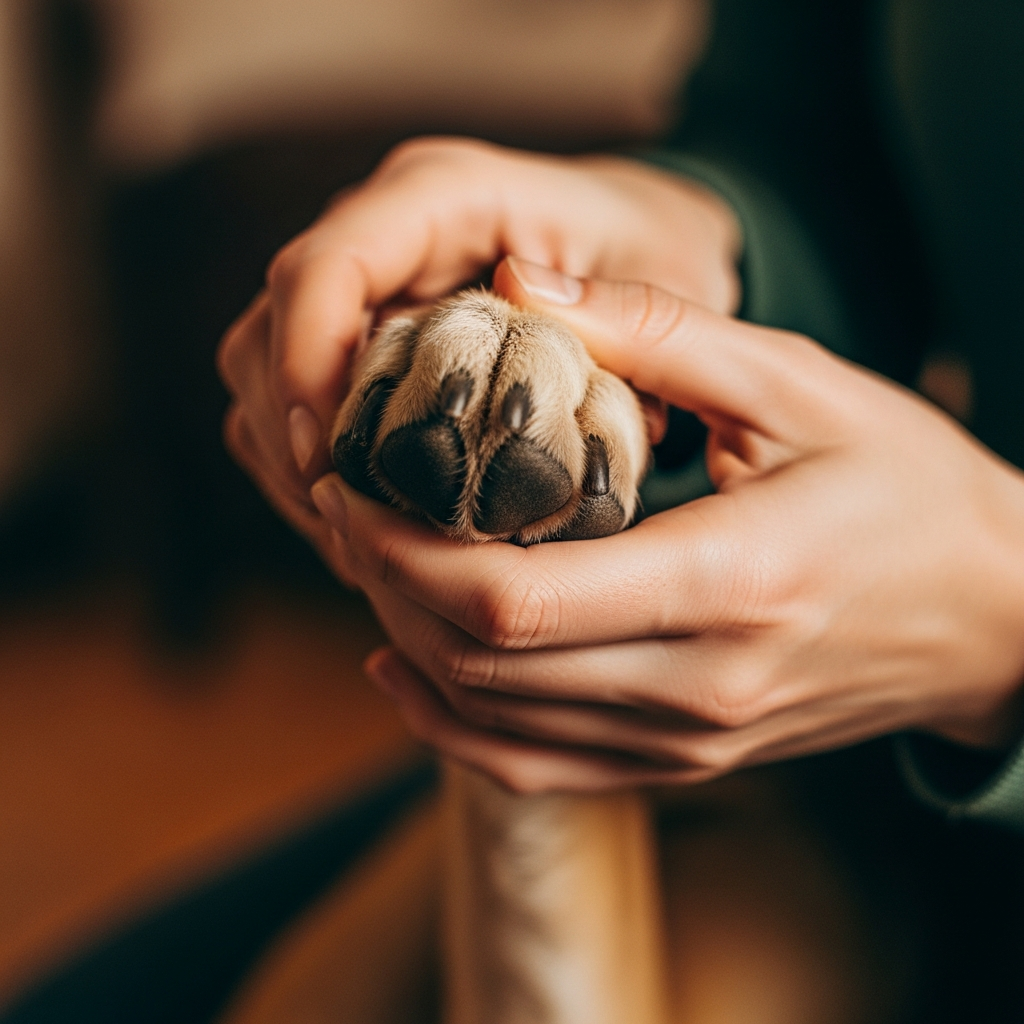
Your dog just came inside limping, holding one paw off the ground, and leaving little spots of blood on the kitchen floor. If you’ve been through this, you know the feeling - a mix of worry and “how do I even bandage a dog paw?”
Paw pad injuries are one of the most common dog injuries I deal with, and they range from minor cracks you can treat at home to deep lacerations that need stitches. The good news is that most paw pad injuries are manageable with basic first aid. The bad news is that paw pads are slow to heal because dogs need to walk on them, and they’re stubborn enough to chew off any bandage you put on.
This guide walks you through exactly how to identify, treat, and prevent paw pad injuries - so the next time your dog comes in limping, you’ll know exactly what to do.
Disclaimer: This guide covers basic first aid and prevention. For deep cuts, burns, or injuries that don’t improve within 48 hours, please consult your veterinarian. This is not a substitute for professional veterinary care.
Types of Paw Pad Injuries
Not all paw pad injuries are the same, and the type of injury determines how you treat it. Here’s what you’re most likely to encounter:
Abrasions and Scrapes
These are surface-level injuries where the outer layer of the pad is worn down. They happen when your dog runs on rough surfaces like concrete, asphalt, or gravel. The pad looks raw, reddened, or slightly pink. These are usually the least serious and heal on their own with basic care.
Lacerations and Tears
Cuts from glass, sharp rocks, metal, or ice are deeper and bleed more. You might see a flap of skin hanging from the pad, or a clean cut that exposes the tissue underneath. These are the ones that often need vet attention, especially if they’re deep enough to see tissue beneath the outer pad layer.
Burns
Hot pavement is the number one cause of paw pad burns. If the asphalt is too hot for the back of your hand (hold it down for seven seconds), it’s too hot for your dog’s paws. Burns make the pad look red, blistered, or peeling. Chemical burns from de-icing salts or lawn treatments can also cause similar damage.
Cracks and Dryness
Chronic dryness leads to cracked pads, especially in winter when cold air, salt, and dry indoor heating all work against your dog’s paw health. Cracked pads are uncomfortable and can split open into deeper wounds if not treated.
Puncture Wounds
Thorns, nails, splinters, or sharp sticks can puncture the pad. These are deceptive - the entry wound is small, but the object may be lodged deep, and infection risk is high. Always check carefully if your dog suddenly starts limping without a visible surface wound.
Step-by-Step First Aid for Paw Pad Injuries
Here’s the process I follow every time, and it works for most minor to moderate paw pad injuries.
Step 1: Restrain Your Dog Safely
Even the sweetest dog can snap when they’re in pain. Before you touch the injured paw, make sure your dog is calm. Have someone hold them or use a gentle muzzle if needed. Get down to their level and speak calmly. If your dog is very stressed, give them a few minutes to settle before you start.
Step 2: Examine the Paw
Look at all four pads (the main pad and the digital pads), between the toes, and around the nail beds. You’re checking for:
- Cuts, tears, or flaps of skin
- Embedded objects (glass, thorns, gravel)
- Blistering or peeling (burn signs)
- Swelling or redness
- Blood or discharge
If you can see an embedded object and it’s superficial, you can carefully remove it with clean tweezers. If it’s deep or you’re not sure, leave it for the vet.
Step 3: Clean the Wound
Rinse the injured pad with lukewarm water or saline solution. Don’t use hydrogen peroxide - it kills healthy tissue and slows healing. Povidone-iodine (Betadine) diluted to the color of weak tea is a good antiseptic option. Chlorhexidine solution (available at most pet stores) is another solid choice.
Gently flush out any dirt or debris. If there’s a flap of skin, don’t cut it off - it can actually protect the wound underneath while new tissue forms.
Step 4: Apply an Antiseptic
After cleaning, apply a thin layer of antiseptic ointment. Plain Neosporin (without the pain relief ingredient, which can be toxic to dogs) works fine. Veterinary-specific wound ointments are also available and tend to be safer.
Step 5: Bandage the Paw
This is where it gets tricky. A good paw bandage needs to:
- Cover the wound completely
- Stay on despite your dog’s best efforts
- Allow some air circulation
- Not be too tight (you should be able to slip one finger underneath)
Here’s the method that works:
- Place a non-stick gauze pad directly over the wound
- Wrap the paw in rolled gauze, going between the toes for stability
- Add a layer of self-adhesive bandage (like Vet Wrap) over the gauze
- Extend the bandage slightly above the ankle joint - this keeps it from sliding off
- Tape the top edge of the bandage to the fur (medical tape only) to prevent slipping
Change the bandage daily and check for signs of infection (increased swelling, heat, discharge, or bad smell).
Step 6: Prevent Chewing
Your dog will try to remove the bandage. Options to prevent this include:
- An Elizabethan collar (the cone of shame)
- A bitter-tasting anti-lick spray on the outer bandage
- A dog boot or sock over the bandage for extra protection
Step 7: Rest and Monitor
Keep walks short and on soft surfaces while the pad heals. Avoid wet grass (bacteria) and rough terrain. Most minor abrasions heal within a week. Lacerations take two to three weeks. Burns can take longer depending on severity.
When to Skip Home Treatment and Go to the Vet
Not every paw pad injury is a DIY situation. Head to the vet if:
- The cut is deep - if you can see tissue beneath the outer pad, it likely needs stitches or surgical glue
- Bleeding doesn’t stop after 10 minutes of firm pressure
- There’s an embedded object you can’t safely remove
- The paw is significantly swollen or your dog won’t put any weight on it
- You see signs of infection - pus, increasing redness, heat, swelling, or a foul smell
- It’s a burn - especially if the skin is blistering or peeling extensively
- Your dog is in significant pain - yelping, refusing to walk, or showing signs of distress
- It hasn’t improved after 48 hours of home care
When in doubt, call your vet. A quick phone call can help you decide if you need to come in or if home care is sufficient.
Seasonal Paw Pad Hazards
Summer Hazards
Hot pavement is the biggest summer threat. On a 95-degree day, asphalt can reach 140-150 degrees - hot enough to cause burns in under a minute. The “seven-second rule” is your best test: press the back of your hand to the pavement for seven seconds. If it’s too hot for you, it’s too hot for your dog.
Other summer hazards include:
- Hot sand at the beach
- Pool deck surfaces that absorb heat
- Freshly applied lawn chemicals
- Foxtails and burrs on trails
Winter Hazards
Winter brings its own set of problems:
- Rock salt and de-icers - these are chemical irritants that dry out and crack paw pads. Wipe paws with a warm, damp cloth after every winter walk.
- Ice and snow buildup - ice balls form between the toes and cause pain and frostbite risk
- Cracking from dry air - indoor heating and cold outdoor air create a cycle of dryness that leads to painful cracks
Year-Round Hazards
- Broken glass in parks or on sidewalks
- Sharp rocks on hiking trails
- Thorns and plant debris in wooded areas
- Hot coals around campfire areas
How to Prevent Paw Pad Injuries
Prevention beats treatment every time. Here’s what actually works:
Protective Footwear
Dog boots are the most effective prevention tool, period. They protect against heat, cold, sharp objects, and chemicals. The trick is finding boots that actually stay on - most dogs hate them at first, but with gradual introduction and positive reinforcement, most dogs adjust within a few days.
Boots are especially important for:
- Winter walks on salted sidewalks
- Summer walks on hot pavement
- Hiking on rocky or rough terrain
- Dogs recovering from paw injuries
Paw Wax and Balms
Paw wax (like Musher’s Secret) creates a protective barrier against salt, heat, and rough surfaces. It also moisturizes dry pads. Apply it before walks in harsh conditions. It’s not as protective as boots, but it’s a good option for dogs who refuse to wear them.
Gradual Conditioning
If your dog mostly walks on soft surfaces, their pads will be softer and more vulnerable. Gradually increasing their exposure to rougher surfaces builds tougher pads over time. Start with short walks on pavement and slowly increase the duration.
Regular Paw Checks
Make paw checks part of your routine. After every walk, give a quick look between the toes and across each pad. Catching a small crack or embedded thorn early prevents bigger problems later. This ties into your broader grooming routine - the more familiar you are with your dog’s body, the faster you’ll spot changes.
Keep Nails Trimmed
Overgrown nails change how your dog’s weight distributes across the paw, which can cause uneven pad wear and make injuries more likely. Regular nail trimming keeps the paw mechanics balanced.
Healing Timeline: What to Expect
| Injury Type | Healing Time | Notes |
|---|---|---|
| Minor abrasion | 5-7 days | Keep clean and dry |
| Moderate laceration | 2-3 weeks | May need vet-applied adhesive |
| Deep laceration | 3-4 weeks+ | Likely needs stitches |
| Burns (mild) | 1-2 weeks | Monitor for infection |
| Burns (severe) | 3-6 weeks | Requires vet treatment |
| Cracked pads | 1-2 weeks | Moisturize daily |
Paw pads do regenerate, but they heal slower than other skin because of the constant pressure from walking. Keeping your dog’s activity reduced during healing is the biggest factor in recovery time.
What to Keep in Your Dog First Aid Kit
Every dog owner should have a basic first aid kit. For paw injuries specifically, keep these on hand:
- Saline solution or chlorhexidine wound wash
- Non-stick gauze pads
- Rolled gauze
- Self-adhesive bandage (Vet Wrap)
- Medical tape
- Blunt-tipped tweezers
- Antiseptic ointment (Neosporin without pain relief)
- Paw wax or balm
- An Elizabethan collar (keep one sized for your dog)
Having these ready means you can treat minor injuries immediately instead of making an emergency run to the store while your dog bleeds on the couch.
For more on keeping your dog healthy and catching issues early, head back to our Dog Health and Wellness hub for the full picture.
Frequently Asked Questions
Can I use hydrogen peroxide on my dog’s paw pad?
No. While hydrogen peroxide is a common first aid staple for humans, it damages healthy tissue and slows healing in dogs. Use saline solution, diluted povidone-iodine (Betadine), or chlorhexidine instead. These clean the wound effectively without harming the new tissue your dog needs to heal.
How long does it take for a dog’s paw pad to grow back?
Paw pads do regenerate, but the timeline depends on the severity of the injury. Minor abrasions heal within a week. Deeper injuries can take three to six weeks. The pad that grows back may be slightly different in texture from the original. During healing, protect the paw with boots or bandages and limit activity on rough surfaces.
Should I let my dog lick their paw pad wound?
A small amount of licking is natural and can help clean a wound, but excessive licking introduces bacteria and prevents healing. If your dog is obsessively licking the injured paw, use an Elizabethan collar or an anti-lick spray to break the cycle. Chronic licking can turn a minor injury into a much bigger problem.
Do dog boots actually help prevent paw injuries?
Yes. Dog boots are the single most effective way to protect paw pads from hot pavement, ice, salt, sharp objects, and rough terrain. The biggest challenge is finding boots that fit properly and stay on. Look for boots with rubber soles, adjustable straps, and sizing guides that match your dog’s measurements. Most dogs adjust to wearing them within a few days of gradual introduction.
When should I take my dog to the vet for a paw injury?
See a vet if bleeding doesn’t stop within 10 minutes of pressure, if the cut is deep enough to see tissue below the pad surface, if there’s an embedded object you can’t safely remove, if you see signs of infection (pus, swelling, heat, foul smell), or if the injury hasn’t improved after 48 hours of home care. A quick phone call to your vet can help you decide whether an office visit is necessary.