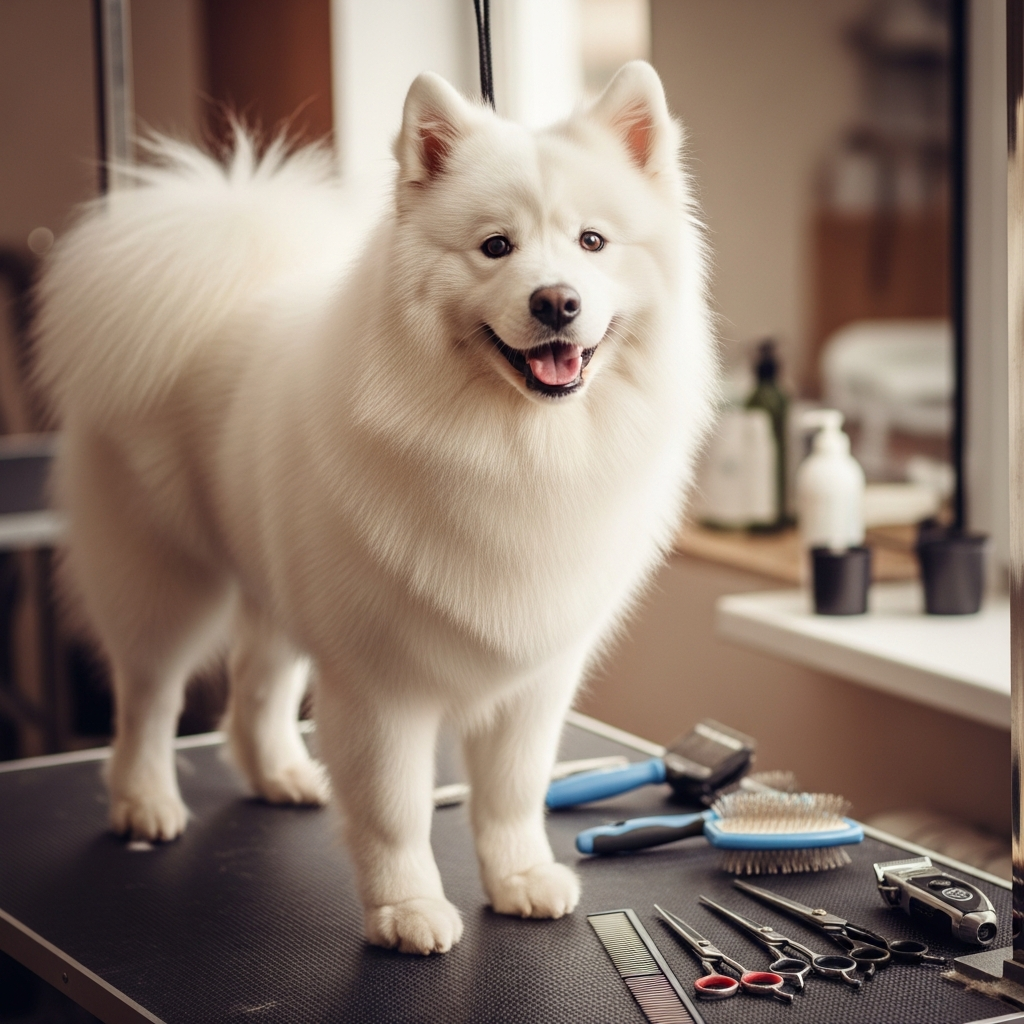
I used to spend $75 every six weeks at the groomer. Then I realized that most of what they were doing - brushing, bathing, nail trimming, ear cleaning - was stuff I could handle at home with the right tools and a little practice. Professional groomers absolutely have their place (breed-specific haircuts, difficult dogs, time-crunched owners), but the routine maintenance? That’s within reach for any dog owner willing to learn.
Home grooming saves money, but that’s not even the best part. The best part is that regular grooming is a health check. Every time you brush your dog, you’re running your hands over their body. You’ll catch lumps, skin changes, hot spots, ticks, and parasites weeks before you’d notice them otherwise. Grooming isn’t vanity - it’s preventative care.
This guide covers the seven essential grooming tools every owner needs, plus step-by-step instructions for each part of the grooming routine. Whether your dog has a short, sleek coat or a thick double coat that sheds enough to build a second dog, you’ll find what you need here.
Note: If your dog has never been groomed at home, start slow. Introduce tools gradually with plenty of treats and positive reinforcement. A bad first grooming experience can make every session afterward a battle. Patience now pays dividends for years. And as always, if you notice anything unusual during grooming - lumps, skin lesions, discharge, or parasites - consult your veterinarian.
The 7 Must-Have Grooming Tools
You don’t need a professional grooming station. These seven tools cover every aspect of basic grooming, and the total investment is usually under $100.
Tool 1: A Quality Brush (Matched to Your Dog’s Coat)
This is the single most important grooming tool you’ll buy, and the right choice depends entirely on your dog’s coat type.
For short, smooth coats (Beagles, Boxers, Dalmatians): A rubber curry brush or bristle brush works best. These loosen dead hair and distribute natural oils without irritating the skin. A deshedding glove is another excellent option - you literally pet the loose fur off your dog.
For medium coats (Golden Retrievers, Australian Shepherds, Border Collies): A slicker brush is your primary tool. The fine wire bristles penetrate the topcoat to remove loose undercoat, tangles, and debris. Follow up with a metal comb to catch anything the slicker brush missed.
For long coats (Shih Tzus, Yorkies, Maltese): A pin brush for daily detangling and a slicker brush for deeper work. A dematting comb or tool is also worth having for dogs prone to mats. Mats are not just cosmetic - they pull on the skin, trap moisture, and can cause painful hot spots.
For double coats (Huskies, German Shepherds, Samoyeds): An undercoat rake is essential during shedding season. Deshedding tools (like the Furminator) are effective but should be used gently - overuse can damage the topcoat.
How often to brush: Short coats benefit from weekly brushing. Medium and long coats should be brushed two to three times per week minimum. Double coats need daily brushing during shedding season and two to three times per week otherwise.
Tool 2: Nail Clippers or a Nail Grinder
Overgrown nails are one of the most common grooming issues, and they’re more than cosmetic. Long nails change how your dog’s weight distributes across the paw, leading to discomfort, altered gait, and long-term joint problems. If you hear clicking on hard floors, the nails are too long.
Guillotine-style clippers work well for small to medium dogs. They’re easy to use and make clean cuts.
Scissor-style clippers are better for large dogs with thicker nails. They give you more control and cutting power.
Nail grinders (Dremels) file the nail down gradually instead of cutting. Many dogs tolerate grinders better than clippers because there’s no sudden pressure or snapping sensation. They also make it easier to avoid the quick (the blood vessel inside the nail).
The quick: In dogs with light-colored nails, you can see the pink quick through the nail. Clip just below it. In dogs with dark nails, you can’t see it - trim small amounts at a time and stop when you see a chalky white ring on the cross-section of the nail. If you hit the quick, it’ll bleed and hurt. Keep styptic powder on hand (see Tool 7) to stop the bleeding immediately.
How often to trim: Every 2-4 weeks, depending on how fast your dog’s nails grow and how much they walk on hard surfaces (which naturally files them down).
Tool 3: Dog Shampoo
Human shampoo is not suitable for dogs. Dogs have a different skin pH than humans, and our shampoos strip their natural oils, causing dryness, irritation, and potential skin problems.
For most dogs: A gentle, oatmeal-based or hypoallergenic dog shampoo covers your bases. Oatmeal is naturally soothing and moisturizing.
For itchy or allergy-prone dogs: A medicated shampoo with chlorhexidine or ketoconazole (available OTC or prescribed by your vet) can help manage skin infections and allergic reactions.
For dogs with fleas: A flea shampoo provides immediate knockdown but doesn’t provide lasting protection. It’s a treatment, not a prevention tool - you’ll still need a long-term flea prevention product. See our guide on the best flea collars for dogs for ongoing protection.
For puppies: Use a puppy-specific shampoo that’s extra gentle and tearless.
How often to bathe: Every 4-8 weeks for most dogs. Overbathing strips natural oils and can cause dry, irritated skin. Dogs that swim or get dirty frequently may need baths more often. Dogs with skin conditions may need a specific bathing schedule from their vet.
Tool 4: Ear Cleaning Solution
Ear infections are one of the top reasons for vet visits, and regular cleaning is the best prevention. This is especially true for dogs with floppy ears (Basset Hounds, Cocker Spaniels, Labs) because the ear flap traps moisture and creates a warm, dark environment where bacteria and yeast thrive.
Use a veterinary ear cleaning solution - not hydrogen peroxide, not alcohol, not water. Ear cleaning solutions are formulated to break down wax, dry the ear canal, and maintain healthy pH.
How to clean: Squeeze the solution into the ear canal until it’s slightly full. Massage the base of the ear for 20-30 seconds (you’ll hear a squishing sound). Let your dog shake their head (they will, no matter what - stand back). Then wipe out the visible canal with a cotton ball or gauze. Never insert cotton swabs (Q-tips) into the ear canal.
How often: Every 2-4 weeks for most dogs. Weekly for dogs prone to ear infections. After every swim or bath.
Tool 5: Dog Toothbrush and Toothpaste
Dental disease is the most overlooked health issue in dogs. By age three, the majority of dogs have some degree of dental disease. Regular brushing is the single most effective preventative measure.
Use a dog-specific toothbrush (or a finger brush for small dogs or dogs new to brushing) and dog-specific toothpaste. Human toothpaste contains fluoride and other ingredients that are toxic to dogs. Dog toothpaste comes in flavors like poultry and peanut butter, which helps with cooperation.
For a complete guide on dental care - including brushing technique, the best dental chews, and professional cleaning frequency - see our dog dental care guide.
How often: Daily is ideal. Three to four times per week is the minimum to make a real difference. Even a few times a week significantly reduces tartar buildup and the risk of periodontal disease.
Tool 6: Grooming Scissors or Clippers
For dogs that need trimming (Poodles, Doodles, Bichons, Yorkies, and other breeds with continuously growing hair), you’ll need either grooming scissors or electric clippers.
Grooming scissors: Straight scissors for body trimming, curved scissors for rounding out paws and ears, thinning shears for blending. Always use blunt-tipped (ball-tip) scissors when trimming around the face, eyes, and ears.
Electric clippers: A quality clipper with adjustable guard lengths is the safest and fastest way to manage an all-over trim. Cordless models are easier to maneuver. The Andis brand and Wahl brand both make reliable home grooming clippers.
Important: If your breed requires a specific haircut or styling, consider having a professional groomer show you the technique first. A bad DIY haircut grows out, but an accidental nick from clippers does not.
For non-trimming breeds (Labs, Beagles, Huskies), you generally don’t need clippers. You might use scissors for occasional tidying around the paw pads, sanitary area, or ears.
Tool 7: Styptic Powder
This is your emergency backup for nail trimming accidents. Styptic powder (like Kwik Stop) stops bleeding almost instantly when applied to a nail that’s been cut too short. It stings briefly, but it works.
Keep it within arm’s reach every single time you trim nails. Even experienced groomers hit the quick occasionally. Having styptic powder on hand turns a stressful moment into a five-second fix.
Step-by-Step Home Grooming Routine
Here’s a complete grooming session, start to finish. You don’t need to do all of this in one sitting - especially when you’re starting out. Break it up into separate sessions if your dog gets restless.
Step 1: Brush Before the Bath
Always brush your dog before bathing. Water makes tangles and mats worse - they tighten and become harder to remove. A thorough pre-bath brushing removes loose fur, detangles the coat, and gives you a chance to check for skin issues, lumps, ticks, or hot spots.
Start from the head and work toward the tail, then do the legs and belly. Brush with the direction of hair growth for smoothing and against it for deshedding. Be gentle around sensitive areas (belly, armpits, behind the ears).
Step 2: Trim Nails
Trim nails before the bath for two reasons: wet nails are softer and harder to cut cleanly, and getting this task done first means the bath can be a reward (or at least a distraction) afterward.
- Hold the paw firmly but gently
- Identify the quick (or, for dark nails, trim small amounts at a time)
- Cut at a 45-degree angle, taking off small sections
- Smooth any rough edges with a file or grinder
- Reward with a treat after each paw
If your dog is extremely anxious about nail trimming, do just one paw per session - or even one nail - until they build tolerance.
Step 3: Clean the Ears
While your dog is still dry, clean the ears using the method described above. Have cotton balls and ear cleaning solution ready. Check for redness, excessive wax, discharge, or an unusual smell - all signs of potential infection.
If you notice any of these signs, hold off on cleaning and schedule a vet visit. Cleaning an infected ear can be painful and may worsen the problem.
Step 4: Bathe
- Use lukewarm water - not hot, not cold
- Wet your dog thoroughly from the neck down (avoid the head at first)
- Apply shampoo and work it into a lather, massaging the skin
- Pay attention to the belly, armpits, and between the toes - areas that trap dirt and bacteria
- Rinse completely. Leftover shampoo residue causes itching and irritation
- For the head, use a damp cloth to wipe the face, or carefully wet and shampoo while keeping water and soap out of the ears and eyes
- Apply conditioner if your dog has a long coat (this helps with detangling)
- Rinse thoroughly again
Step 5: Dry
Towel drying works for short-coated dogs. Use multiple towels and blot rather than rub (rubbing can cause tangles in longer coats).
Blow drying is necessary for thick and long coats to prevent moisture from getting trapped near the skin (which can cause hot spots). Use a dog dryer or a human blow dryer on the lowest heat setting. Keep it moving - don’t hold it in one spot. Brush while drying to prevent tangles from forming as the coat dries.
Air drying is fine for short coats in warm weather but not recommended for double coats or long-haired breeds - the dense undercoat holds moisture for hours.
Step 6: Post-Bath Brushing
Once your dog is mostly dry, do a final brush-through. This catches any remaining loose fur (especially in double-coated breeds), helps the coat lie flat, and distributes natural oils. This is also a good time to trim any fur that needs attention - clean, dry fur cuts more evenly.
Step 7: Eye and Face Cleaning
Wipe around the eyes with a warm, damp cloth to remove any discharge or tear staining. For breeds prone to eye discharge or tear staining, this should be a daily habit, not just a bath-day activity. Check out our full guide on dog eye discharge for more on managing eye care.
Clean facial folds (for breeds like Bulldogs, Pugs, and Shar-Peis) with a damp cloth and dry thoroughly. Moisture trapped in skin folds causes bacterial and yeast infections.
Grooming Tips for Difficult Dogs
Not every dog sits calmly during grooming. Some wiggle, some flee, some snap, and some go completely rigid. Here’s how to handle it.
Start Young
If you have a puppy, start handling their paws, ears, mouth, and body from day one. You’re not grooming at this stage - you’re desensitizing. Touch their paws and give a treat. Lift their ear flap and give a treat. Run a brush over their back and give a treat. This foundation makes everything easier later.
Break It Up
You don’t have to do everything in one session. Nails today, ears tomorrow, bath on the weekend. Shorter, less stressful sessions are better than one marathon that leaves your dog traumatized and you frustrated.
Use High-Value Treats
Regular kibble won’t cut it for a dog who hates nail trims. Break out the good stuff - small pieces of chicken, cheese, or whatever your dog considers the ultimate reward. Pair every grooming step with treats.
The Lick Mat Trick
Spread peanut butter, canned pumpkin, or wet food on a lick mat and stick it to the wall of the tub at your dog’s nose height. The licking releases endorphins and keeps them occupied during bathing. This single trick has saved more baths than any technique I know.
Know When to Stop
If your dog is truly panicking - whale eyes, stiff body, snapping, trying desperately to escape - stop. Pushing through a panic response makes the fear worse. End on a positive note (even if that means stopping after one nail), give a treat, and try again later. If grooming anxiety is severe, talk to your vet about temporary calming aids.
Consider Professional Help
For breeds with complex grooming needs (Poodles, Bichons, Schnauzers) or dogs with severe grooming anxiety, professional groomers are worth the investment. Many offer “spa day” packages that include everything from haircuts to anal gland expression. And a good groomer will teach you maintenance tips to extend the time between professional sessions.
How Often to Groom: A Quick Reference
| Task | Short Coats | Medium Coats | Long/Double Coats |
|---|---|---|---|
| Brushing | Weekly | 2-3x/week | Daily to every other day |
| Bathing | Every 6-8 weeks | Every 4-6 weeks | Every 3-6 weeks |
| Nail trimming | Every 2-4 weeks | Every 2-4 weeks | Every 2-4 weeks |
| Ear cleaning | Every 2-4 weeks | Every 2-4 weeks | Every 1-2 weeks |
| Teeth brushing | 3-7x/week | 3-7x/week | 3-7x/week |
| Haircut/trim | Not needed | As needed | Every 4-8 weeks |
These are guidelines - adjust based on your dog’s individual needs, activity level, and health conditions.
The Grooming-Health Connection
I keep coming back to this because it matters: grooming is not just cosmetic. Regular, hands-on grooming is one of the best ways to catch health issues early. Here’s what to watch for during grooming sessions:
- Lumps or bumps you haven’t felt before (especially in senior dogs)
- Skin changes: redness, flaking, hot spots, rashes, or unusual odor
- Parasites: fleas, ticks, or flea dirt (tiny black specks that turn red when wet)
- Ear issues: redness, swelling, discharge, or bad smell inside the ears
- Eye problems: excessive discharge, cloudiness, redness, or swelling (see dog eye discharge)
- Dental issues: bad breath, swollen gums, broken teeth, excessive drooling
- Paw problems: cracked pads, cuts, foreign objects, overgrown nails (see dog paw pad injury)
- Weight changes: feeling your dog’s ribs and spine during brushing gives you a sense of body condition
If you notice anything unusual, document it and mention it at your next vet visit - or schedule one sooner if it seems significant. For a comprehensive look at preventative health care for your dog, visit our Dog Health and Wellness hub.
Frequently Asked Questions
Can I use human shampoo on my dog?
No. Dogs have a different skin pH than humans (more neutral, around 6.5-7.5, compared to human skin at 4.5-5.5). Human shampoos are formulated for human pH and will strip the protective acid mantle from your dog’s skin, leading to dryness, irritation, and vulnerability to bacteria and parasites. Always use a shampoo specifically formulated for dogs.
How do I get my dog to let me trim their nails?
Desensitization and positive association are key. Start by just touching and holding their paws (with treats). Then introduce the clippers visually (with treats). Then touch the clippers to a nail without cutting (with treats). Then clip one nail (with a treat). Build up gradually over days or weeks. For dogs with deep-seated nail trimming fear, a nail grinder may be less stressful because it removes the snapping sensation. If anxiety is severe, ask your vet about mild calming aids for grooming sessions.
How do I know if I’m brushing my dog too hard?
If your dog is flinching, pulling away, or showing signs of discomfort, you’re either pressing too hard or using the wrong brush. Brushing should be firm enough to reach through the coat but not so hard that it scratches the skin. Slicker brushes, deshedding tools, and undercoat rakes all need a light touch - let the tool do the work. After brushing, check the skin in the brushed areas for redness or irritation. If you see any, lighten your pressure.
How often should I take my dog to a professional groomer?
It depends on your dog’s breed and coat type. Dogs with continuously growing hair (Poodles, Doodles, Bichons, Yorkies) typically need professional grooming every 4-8 weeks for haircuts. Dogs with short or self-maintaining coats may never need a professional groomer if you handle the basics at home. Many owners find a hybrid approach works well - professional grooming every 8-12 weeks for the “big stuff” (haircut, thorough deshedding, anal glands) and home maintenance in between.
What’s the most important grooming task if I can only do one thing?
Brushing. Regular brushing does more for your dog’s overall health and comfort than any other single grooming task. It removes dead hair, distributes oils, prevents matting, stimulates blood flow to the skin, and - most importantly - puts your hands on your dog’s body regularly so you can detect health changes early. If you can only commit to one grooming task, make it consistent brushing at a frequency appropriate for your dog’s coat type.