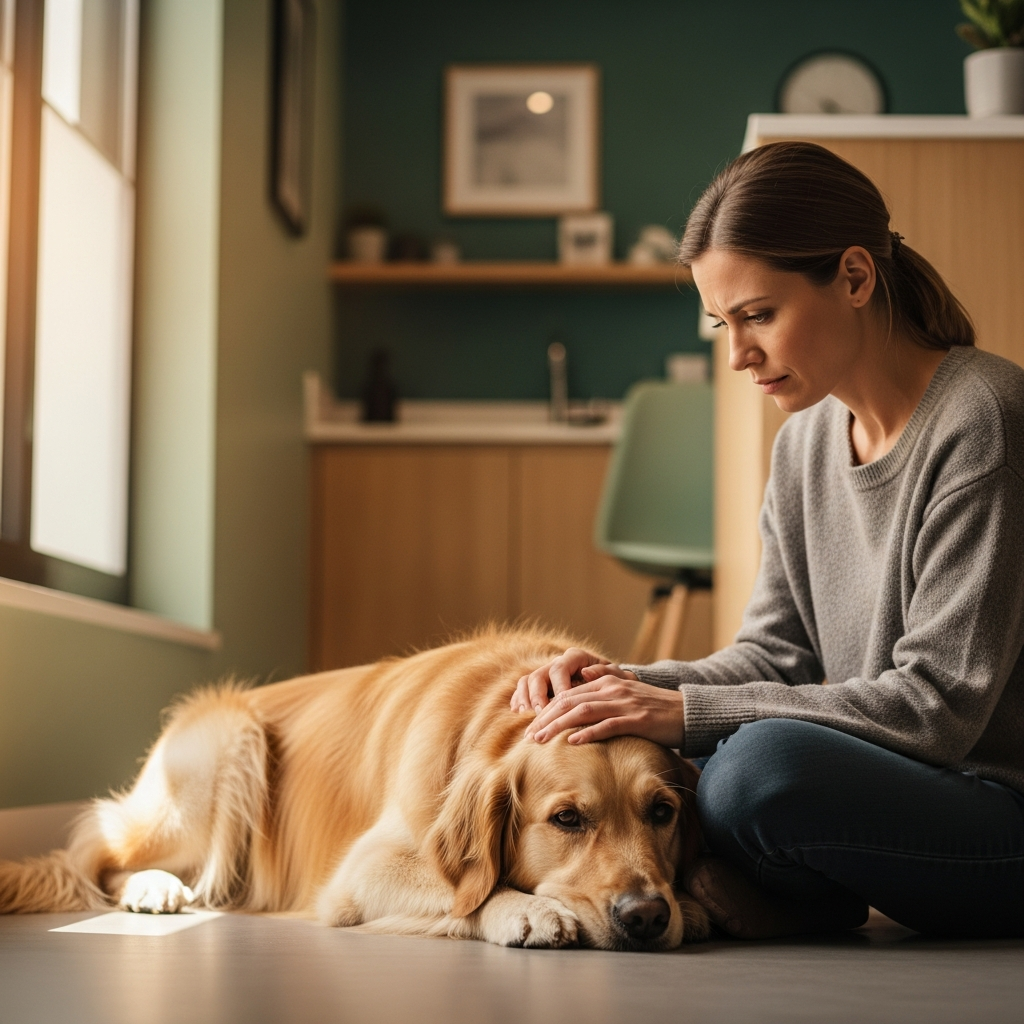
Your perfectly housetrained dog just had an accident in the living room. Or maybe they’re asking to go outside every 20 minutes. Or you noticed them straining to pee with nothing (or barely anything) coming out. Something’s off, and if you’re Googling “UTI in dogs” right now, you’re probably right.
Urinary tract infections are one of the most common health issues in dogs, especially in females. The good news is that they’re very treatable. The less good news is that they do require a vet visit - there’s no reliable way to treat a bacterial UTI at home. But understanding what you’re dealing with, what to expect at the vet, and how to reduce the chances of it happening again can save you a lot of worry (and maybe a few ruined rugs).
Important disclaimer: UTI symptoms can overlap with more serious conditions, including bladder stones, kidney infections, diabetes, and even cancer. If your dog is showing urinary symptoms, please see your veterinarian for proper diagnosis. This guide is informational and does not replace professional veterinary care.
What Is a UTI in Dogs?
A urinary tract infection happens when bacteria - usually from the dog’s own skin or gastrointestinal tract - enter the urethra and colonize the urinary tract. Most UTIs involve the bladder (cystitis), but if left untreated, the infection can travel upward to the kidneys (pyelonephritis), which is a much more serious and potentially life-threatening condition.
The most common bacterium responsible is E. coli, but other bacteria can be involved as well. In some cases, fungal infections or viral agents can cause similar symptoms, though these are less common.
Symptoms of a UTI in Dogs
UTI symptoms are usually noticeable once you know what to look for. Here’s the full checklist:
The Most Common Signs
- Frequent urination: Your dog asks to go out more often than usual or squats repeatedly on walks
- Straining to urinate: Your dog postures to pee but produces little or nothing, or takes much longer than usual
- Accidents in the house: A previously housetrained dog suddenly peeing indoors is a classic UTI sign
- Blood in the urine: You might see pink, red, or brownish discoloration. This can be subtle - check the color of the urine on light-colored surfaces
- Cloudy or strong-smelling urine: The urine may look darker, cloudier, or smell different (stronger, more pungent) than usual
- Excessive licking of the genital area: Dogs will lick at the source of discomfort
Less Obvious Signs
- Whimpering or crying during urination: If your dog vocalizes while peeing, they’re in pain
- Dribbling urine: Small amounts of urine leaking when your dog is resting or walking
- Lethargy and decreased appetite: These are general illness signs that can accompany a UTI, especially if it’s progressed
- Fever: You may not detect this at home, but if your dog feels warm and is showing other symptoms, it could indicate the infection has spread
- Drinking more water than usual: Increased thirst (polydipsia) can indicate the body is trying to flush the infection
When It Might Be Something More Serious
Some symptoms look like a UTI but indicate a different (or additional) problem:
- Inability to urinate at all: This is an emergency. A complete blockage (from bladder stones or a urethral obstruction) is life-threatening and requires immediate veterinary care.
- Persistent or recurring symptoms: If UTI symptoms keep coming back after treatment, there may be an underlying cause - bladder stones, structural abnormalities, or even bladder cancer.
- Blood without other UTI symptoms: Blood in the urine without straining or increased frequency could indicate bladder stones, a clotting disorder, or other conditions.
What Causes UTIs in Dogs?
Understanding the causes helps you prevent recurrences.
Bacterial Entry
The most common cause is bacteria from the external environment traveling up the urethra into the bladder. This is why female dogs get UTIs more frequently - their urethra is shorter and wider, making it easier for bacteria to reach the bladder.
Weakened Immune System
A healthy immune system keeps bacterial populations in check. Dogs with compromised immune systems - whether from chronic illness, medications (like long-term steroids), age, or conditions like Cushing’s disease or diabetes - are more susceptible to UTIs.
Anatomical Factors
Some dogs have anatomical features that predispose them to UTIs:
- Recessed vulvas in female dogs (the skin folds trap bacteria)
- Prostatic disease in older intact male dogs
- Bladder stones that irritate the lining and provide surfaces for bacteria to colonize
Underlying Conditions
UTIs in dogs are often secondary to another problem. Conditions that increase UTI risk include:
- Diabetes mellitus: Sugar in the urine creates a hospitable environment for bacteria
- Cushing’s disease: Excess cortisol suppresses the immune system
- Kidney disease: Dilute urine is less effective at flushing bacteria
- Bladder stones: Provide surfaces for bacteria to adhere to and irritate the bladder lining
- Incontinence: Residual urine in the bladder promotes bacterial growth
This is why your vet may run additional tests beyond just confirming the UTI - they’re looking for why it happened.
Which Dogs Are Most at Risk?
- Female dogs: Significantly higher risk than males due to shorter urethras
- Senior dogs: Weakened immune systems and higher incidence of underlying conditions. For comprehensive care guidance for older dogs, see our senior dog care guide.
- Dogs with diabetes or Cushing’s disease
- Dogs on long-term immunosuppressive medications
- Dogs with bladder stones or anatomical abnormalities
- Intact males over age 7 (prostatic disease increases risk)
What Happens at the Vet
If you suspect a UTI, here’s what to expect at the vet visit. It’s typically straightforward and not overly expensive.
Urinalysis
This is the primary diagnostic tool. Your vet will need a urine sample. There are three collection methods:
- Free catch: You collect a midstream urine sample at home (your vet will give you a container). This is the easiest method but can be contaminated by surface bacteria.
- Catheterization: A sterile catheter is passed through the urethra to collect urine directly from the bladder. More reliable than free catch.
- Cystocentesis: A needle is passed through the abdominal wall directly into the bladder. This sounds dramatic, but it’s quick, minimally painful, and provides the most sterile sample. It’s the gold standard.
The urinalysis checks for:
- Bacteria (presence and type)
- White blood cells (indicates inflammation/infection)
- Red blood cells (indicates bleeding)
- Crystals (can indicate bladder stones)
- pH level
- Protein and glucose levels
- Concentration
Urine Culture
If the urinalysis confirms a UTI, your vet may also submit a urine culture. This involves growing the bacteria in a lab to identify the exact species and determine which antibiotics it’s sensitive to. Cultures take a few days for results, but they ensure the right antibiotic is used - especially important for recurrent UTIs.
Additional Tests
Depending on the situation, your vet might also recommend:
- Blood work: To check kidney function and screen for diabetes or Cushing’s disease
- X-rays or ultrasound: To look for bladder stones, tumors, or structural abnormalities
- These are more likely if: The UTI is recurrent, your dog is a senior, or the vet suspects an underlying cause
Treatment
The standard treatment for a bacterial UTI is antibiotics, typically prescribed for 7-14 days. Common antibiotics used include amoxicillin, cephalexin, or enrofloxacin, depending on the culture results.
It’s critical to finish the entire course of antibiotics, even if your dog seems better after a few days. Stopping early allows resistant bacteria to survive and can lead to a recurring, harder-to-treat infection.
Your vet may also prescribe:
- Pain medications or anti-inflammatories for comfort
- A follow-up urinalysis after treatment to confirm the infection has cleared
Cost
A typical UTI vet visit costs:
- Office visit: $50-$100
- Urinalysis: $30-$75
- Urine culture (if needed): $75-$150
- Antibiotics: $20-$60
- Total: approximately $100-$385
If additional diagnostics are needed (bloodwork, imaging), costs will be higher. This is one area where pet insurance can be helpful, especially for dogs prone to recurrent UTIs.
Home Care and Support During Treatment
While antibiotics do the heavy lifting, there are things you can do at home to support your dog’s recovery.
Encourage Water Intake
More water means more urine production, which helps flush bacteria from the bladder. Ways to encourage drinking:
- Keep fresh water available at all times (multiple bowls in different locations)
- Add low-sodium chicken broth to the water for flavor
- Try a pet water fountain (many dogs prefer moving water)
- Offer ice cubes as treats
Frequent Bathroom Breaks
Let your dog out more often during treatment. Holding urine for long periods allows bacteria to multiply in the bladder. If you’re at work during the day, consider a dog walker or set up indoor potty options.
Diet Considerations
Some veterinarians recommend diets that promote urinary health, especially for dogs with recurrent UTIs or bladder stones. Prescription urinary diets can alter urine pH and reduce crystal formation. Your vet can advise on whether a dietary change would benefit your dog.
A quality diet supports overall immune function, which helps your dog fight infections. For general nutrition guidance, our dog food guides cover a range of dietary considerations.
Monitor Symptoms
Keep track of how your dog is doing during treatment. Symptoms should start improving within 2-3 days of starting antibiotics. If symptoms aren’t improving, contact your vet - the bacteria might be resistant to the prescribed antibiotic, and a culture-guided switch may be needed.
Preventing UTIs in Dogs
Prevention isn’t always possible, but you can reduce the risk significantly.
Hydration
Keep your dog well-hydrated. Concentrated urine is more hospitable to bacteria. Dogs that drink adequate water produce dilute urine that flushes bacteria more effectively.
Hygiene
- Keep the genital area clean, especially for dogs with long hair around the vulva or prepuce
- Wipe the area after outdoor activities where your dog has been in standing water or mud
- For female dogs with recessed vulvas, discuss surgical correction with your vet if UTIs are recurrent
Frequent Bathroom Breaks
Don’t make your dog hold their urine for extended periods. A full bladder gives bacteria time to multiply. Aim for bathroom breaks every 4-6 hours for adult dogs, more frequently for seniors.
Probiotics
Some evidence suggests that probiotics support urinary tract health by promoting healthy bacterial populations that can outcompete pathogenic bacteria. Ask your vet about whether a probiotic supplement makes sense for your dog.
Cranberry Supplements
Cranberry extract is widely promoted for UTI prevention in both humans and dogs. The theory is that compounds in cranberries prevent bacteria from adhering to the bladder wall. The evidence in dogs is limited, but some vets recommend cranberry supplements as a low-risk preventative measure for dogs prone to recurrent UTIs. These are supplements, not treatments - they won’t cure an active infection.
Address Underlying Conditions
If your dog has recurring UTIs, work with your vet to identify and manage any underlying conditions. Treating diabetes, Cushing’s disease, or bladder stones will reduce UTI frequency.
Regular Vet Checks
For dogs prone to UTIs, periodic urinalysis checks (even when they seem fine) can catch infections early, sometimes before symptoms appear. This is particularly important for senior dogs and dogs with chronic health conditions.
For more on all aspects of dog health and preventative care, visit our Dog Health and Wellness hub.
Frequently Asked Questions
Can I treat my dog’s UTI at home without antibiotics?
No. A bacterial UTI requires antibiotics for proper treatment. Home remedies like cranberry supplements, increased water intake, and apple cider vinegar are not substitutes for veterinary treatment. While these supportive measures can help during treatment and may play a role in prevention, they cannot clear an established bacterial infection. Untreated UTIs can progress to kidney infections, which are dangerous and much more expensive to treat.
How long does it take for a dog UTI to clear up?
Most uncomplicated UTIs improve within 2-3 days of starting antibiotics, though the full course of treatment is usually 7-14 days. It is essential to complete the entire course even after symptoms resolve. Your vet may recommend a follow-up urinalysis after treatment to confirm the infection is completely cleared. If symptoms don’t improve within a few days, contact your vet - the antibiotic may need to be changed.
Why does my dog keep getting UTIs?
Recurrent UTIs (three or more in a year) usually indicate an underlying cause. Common reasons include bladder stones, anatomical abnormalities (like a recessed vulva), chronic conditions (diabetes, Cushing’s disease), or incomplete treatment of previous infections. Your vet should perform a thorough workup including urine culture, imaging (X-rays or ultrasound), and bloodwork to identify the root cause. Treating the underlying issue is the key to stopping the cycle.
Can male dogs get UTIs?
Yes, though it’s less common than in females. Male dogs have a longer urethra, which provides more of a barrier to bacteria reaching the bladder. When male dogs do get UTIs, it’s often associated with prostate problems (especially in older intact males), bladder stones, or other underlying conditions. UTI symptoms in males are the same - frequent urination, straining, blood in urine, and accidents.
Is a UTI in dogs an emergency?
A typical UTI is not an emergency, but it does need veterinary attention within a day or two. However, if your dog is unable to urinate at all, this IS an emergency - a complete urinary blockage is life-threatening and requires immediate veterinary care. Also seek urgent care if your dog has a high fever, is vomiting, seems to be in severe pain, or shows signs of lethargy and disorientation, as these could indicate the infection has spread to the kidneys.