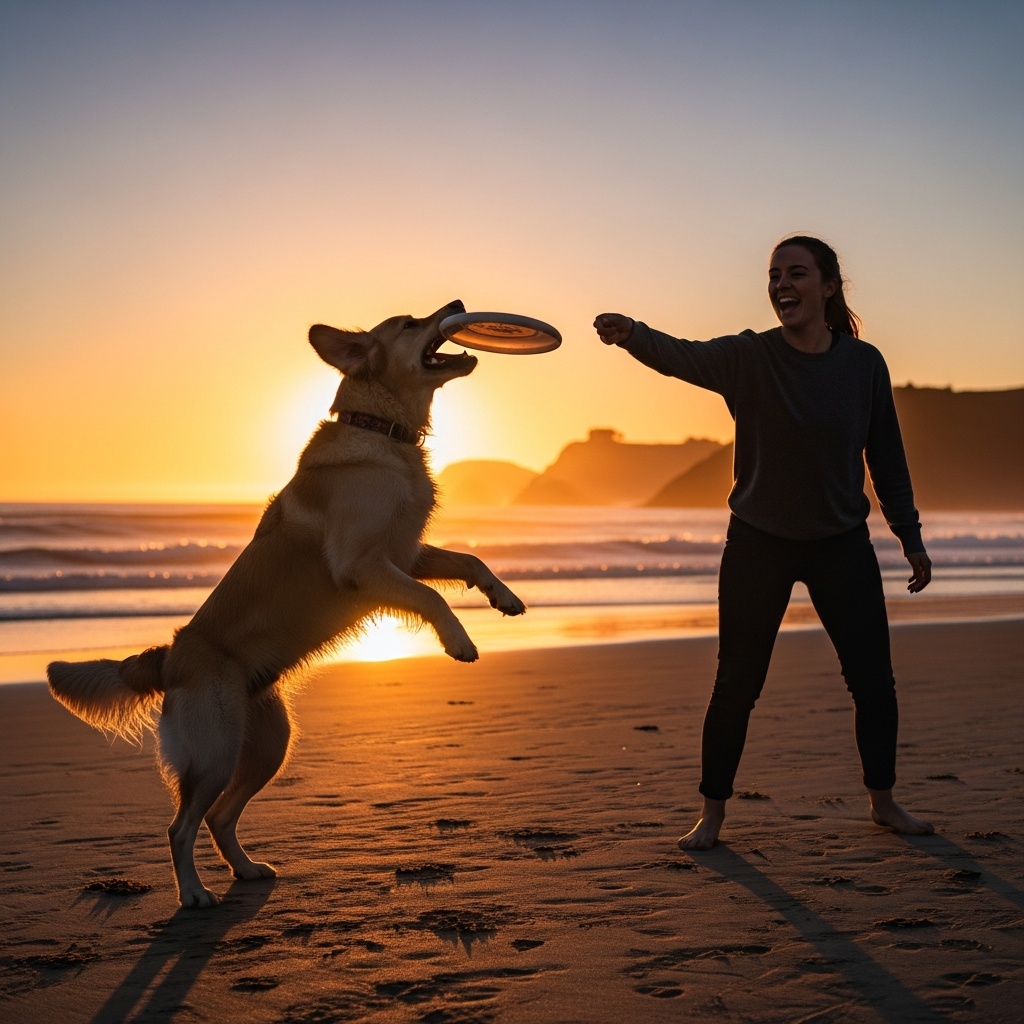
Your dog doesn’t want to sit in the backyard all weekend. I know this because mine won’t let me. The second I start packing a bag, my dog is already at the door, tail going, ready for whatever comes next. And honestly, that energy is the whole reason I got a dog in the first place.
If you’re reading this, you’re probably the same kind of owner. You didn’t get a dog to leave them behind. You got a dog because you wanted a partner - for hikes, for road trips, for camping, for those random Tuesday evenings where you both end up at a brewery patio downtown. The best days are the ones where your dog comes along.
The Dog Effect exists because of this exact mindset. This is the pillar where our brand identity lives. Not the clinical health guides (though those matter). Not the gear reviews (though we stand behind every one of them). This is the part where we talk about actually living your life with your dog - and doing it well.
This guide covers everything from weekend hikes and cross-country road trips to mental enrichment and mountain biking. Each section links to a deeper guide where you get the full playbook. Think of this page as your launchpad.
Adventures on the Trail
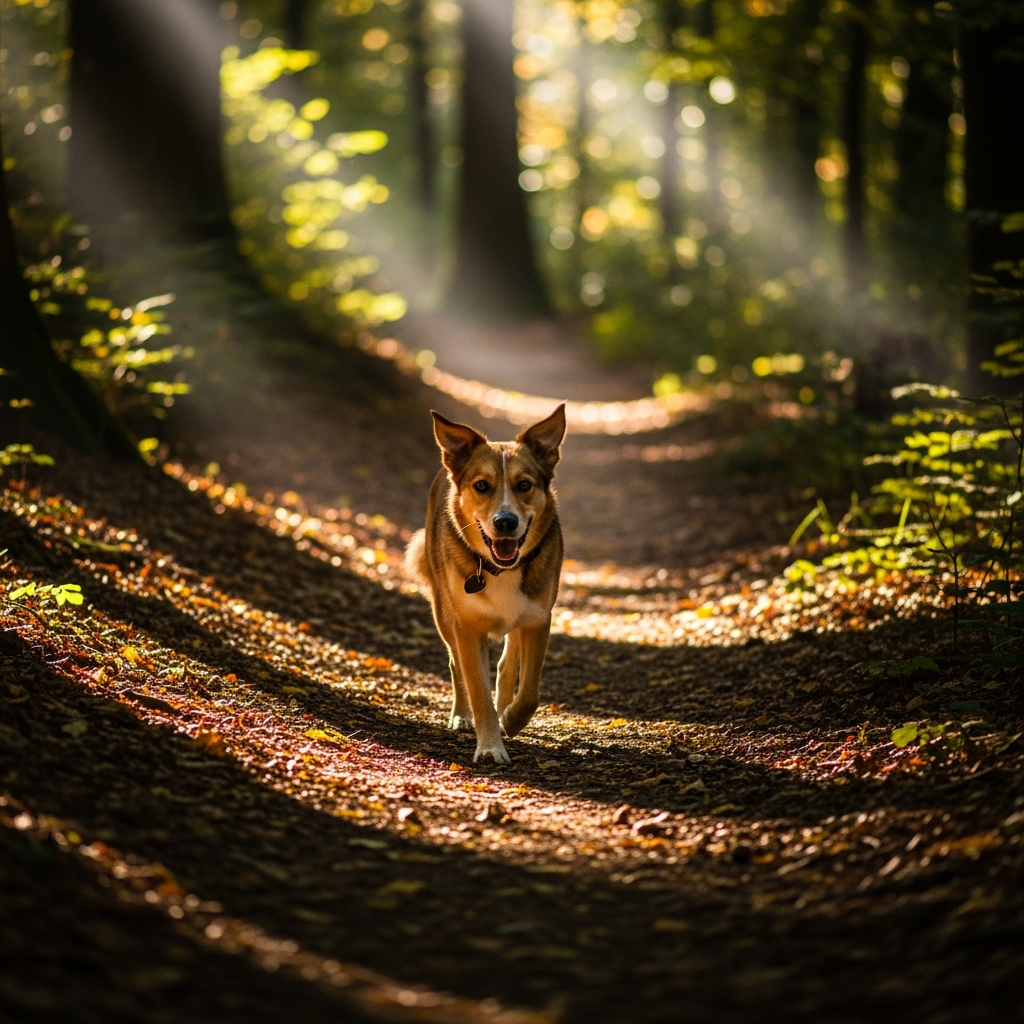
There’s something that happens when you and your dog are two miles into a trail that you just can’t replicate at the dog park. The distractions fall away, the leash loosens, and you’re both just… moving. It’s the best version of your relationship with your dog.
Hiking With Dogs
Hiking is the gateway adventure for most dog owners, and for good reason. It’s accessible, it scales with your dog’s fitness level, and it gives your dog the kind of sensory stimulation that a neighborhood walk can’t touch. Every rock, stream, and squirrel trail is a full-body experience for them.
But hiking with a dog isn’t the same as hiking solo. You need to think about water access, paw protection, wildlife encounters, leash regulations, and your dog’s actual fitness level - not the fitness level you wish they had. I’ve seen way too many owners push their dogs past their limits on a 10-mile summit hike because the dog wouldn’t quit on their own. They never will. That’s your job.
The gear matters too. A solid no-pull harness distributes weight properly and gives you control on narrow trails. Protective boots are non-negotiable on rocky or hot terrain. And a GPS collar gives you peace of mind if your dog is off-leash in areas where that’s permitted.
Our complete guide to hiking with dogs covers trail etiquette, a gear checklist, water and food planning, distance guidelines by fitness level, and first aid for common trail injuries. If you only read one adventure guide on this site, make it that one.
Mountain Biking With Your Dog
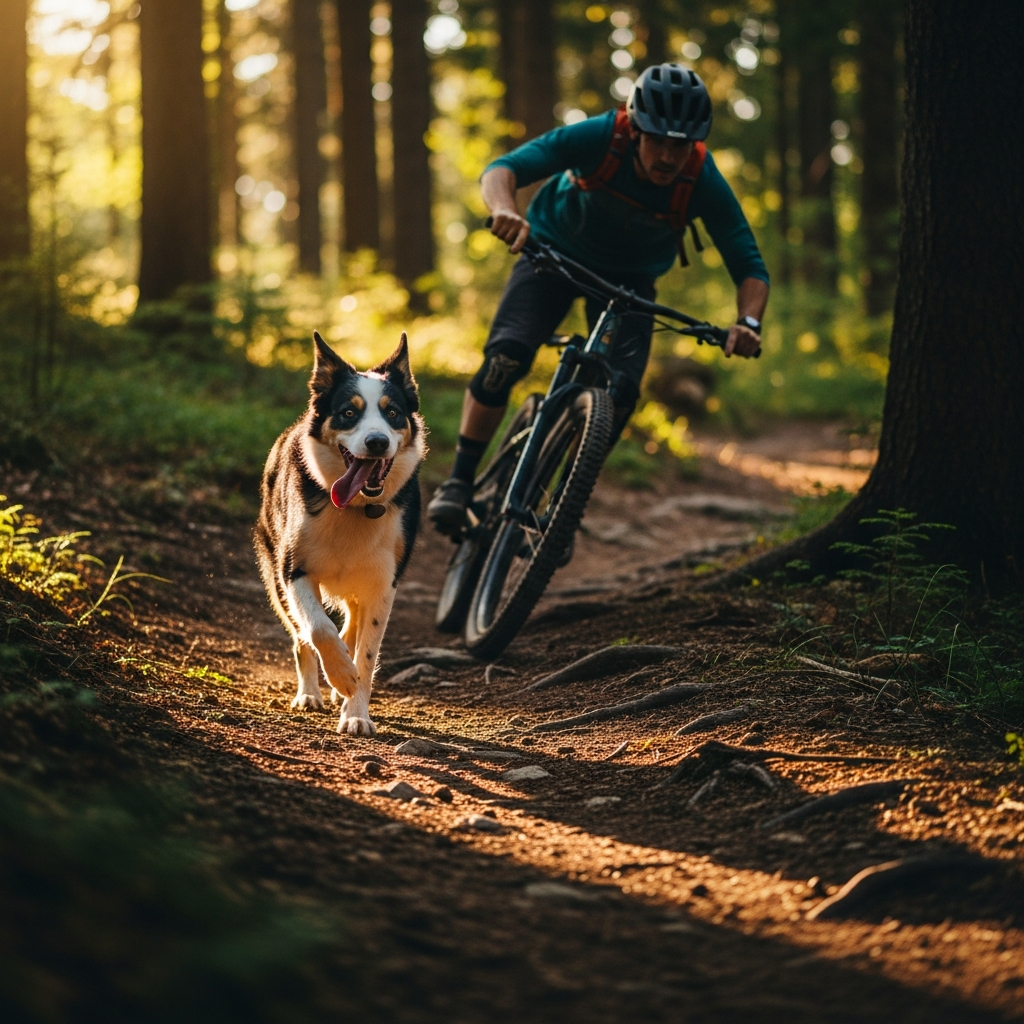
This is the advanced class. Mountain biking with a dog is one of the most rewarding things you can do together - and also one of the most misunderstood. People either think it’s reckless or assume any dog can do it. The truth is in the middle.
Mountain biking with your dog requires serious prerequisites. Your dog needs reliable off-leash recall. They need to be physically conditioned for distance. And they need to understand trail positioning - running alongside or behind the bike, not cutting in front of it at full speed through a switchback. These aren’t tricks you teach in a weekend.
I started biking with my dog on flat, wide fire roads before we ever touched singletrack. We built up distance gradually, and I learned to read their body language for fatigue cues that aren’t obvious when they’re running at full tilt. There’s a whole process to this, and our guide on mountain biking with your dog walks through every step: fitness prerequisites, pace guidelines, essential commands, and which trail types to avoid entirely.
Life on the Road
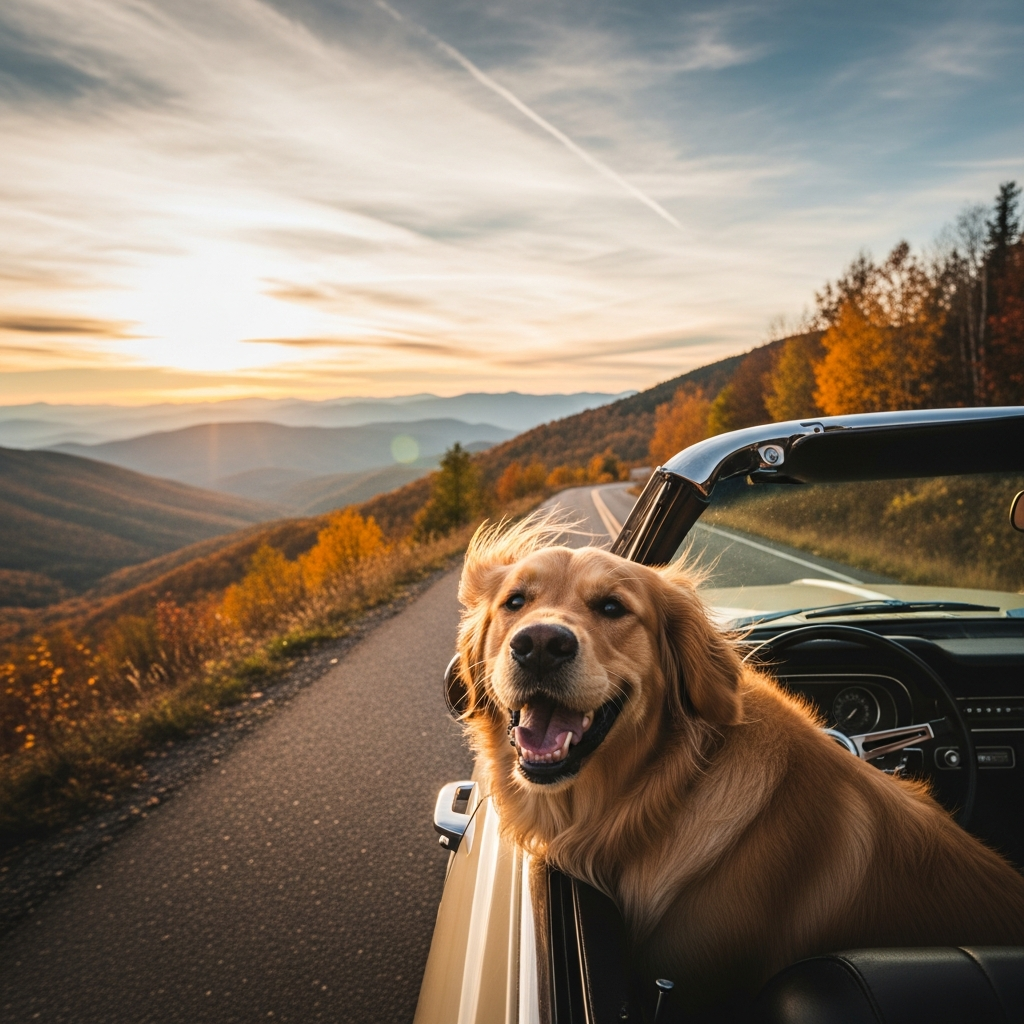
Some of the best memories I have with my dog happened in the car. Not the actual driving part - the destinations. The trailheads two states over. The beach town we found because the highway was boring. The campsite that didn’t show up on any app but had the best swimming hole I’ve ever seen.
Road trips with your dog are incredible when you plan them right and genuinely stressful when you don’t.
Road Trips
The difference between a good road trip and a bad one usually comes down to planning. How often are you stopping? Where are you staying? Does your dog freak out in the car or sleep the whole way? Do you have a system for water, bathroom breaks, and exercise at rest stops?
The gear side matters more than people realize. A crash-tested car harness isn’t optional - it’s a safety device for your dog and everyone else in the vehicle. Beyond that, you need a travel water bowl, a way to keep the car cool during stops, and a plan for what to do if your dog gets carsick (which is more common than you’d think, especially for dogs who don’t ride often).
Our full road trip planning guide covers pre-trip preparation, rest stop strategy, hotel selection, keeping your dog calm during long drives, and the complete gear list. Whether it’s a weekend getaway or a two-week cross-country haul, the framework is the same.
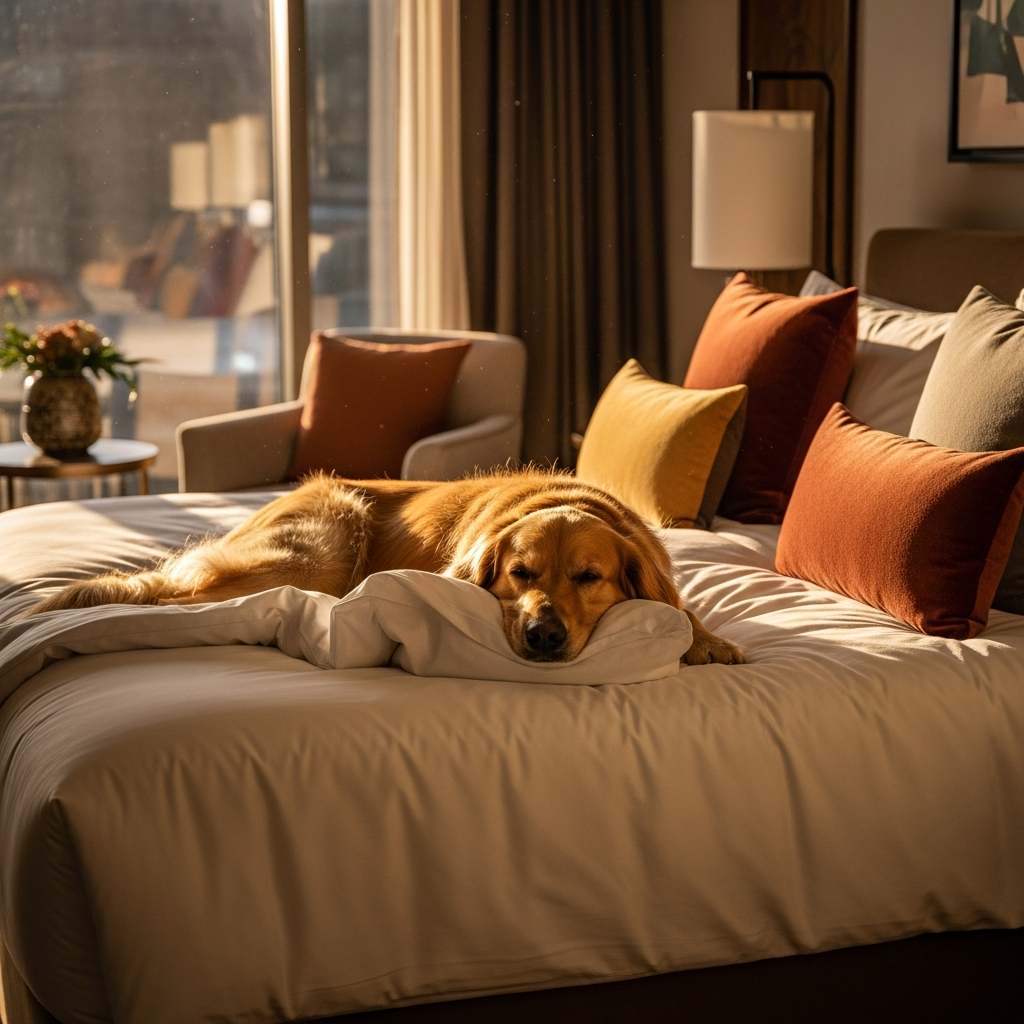
Dog-Friendly Hotels
Here’s something that took me way too long to learn: “pet-friendly” means wildly different things depending on where you’re staying. Some hotels genuinely welcome dogs - Kimpton properties don’t even charge a pet fee and have no weight limit. Others technically allow dogs but hit you with a $150 non-refundable “cleaning fee” and restrict you to ground-floor rooms next to the ice machine.
Knowing which chains actually welcome dogs, what the real costs are, and how to be a good guest (so the rest of us don’t lose access) is a skill that makes travel with your dog dramatically better.
Our guide to dog-friendly hotels breaks down the major hotel chains, their actual pet policies (not just the marketing version), hidden fees to watch for, and etiquette that keeps your dog welcome for the next person who comes through.
Enrichment and Mental Fitness
Here’s a truth that took me years to accept: a tired dog isn’t always an exercised dog. Some of the most well-exercised dogs I know are also the most anxious, destructive, and restless. That’s because physical exercise without mental engagement is like running on a treadmill while your brain screams for something to do.
Mental enrichment isn’t a bonus. It’s a core need. And for a lot of dogs, it’s actually more important than that extra mile on the walk.
Mental Enrichment
The science behind enrichment is straightforward: dogs are problem-solvers. Their brains are wired for seeking, sniffing, and figuring things out. When we remove all of those challenges - which modern pet life does by design - we get bored dogs. And bored dogs find their own enrichment, usually by destroying something you care about.
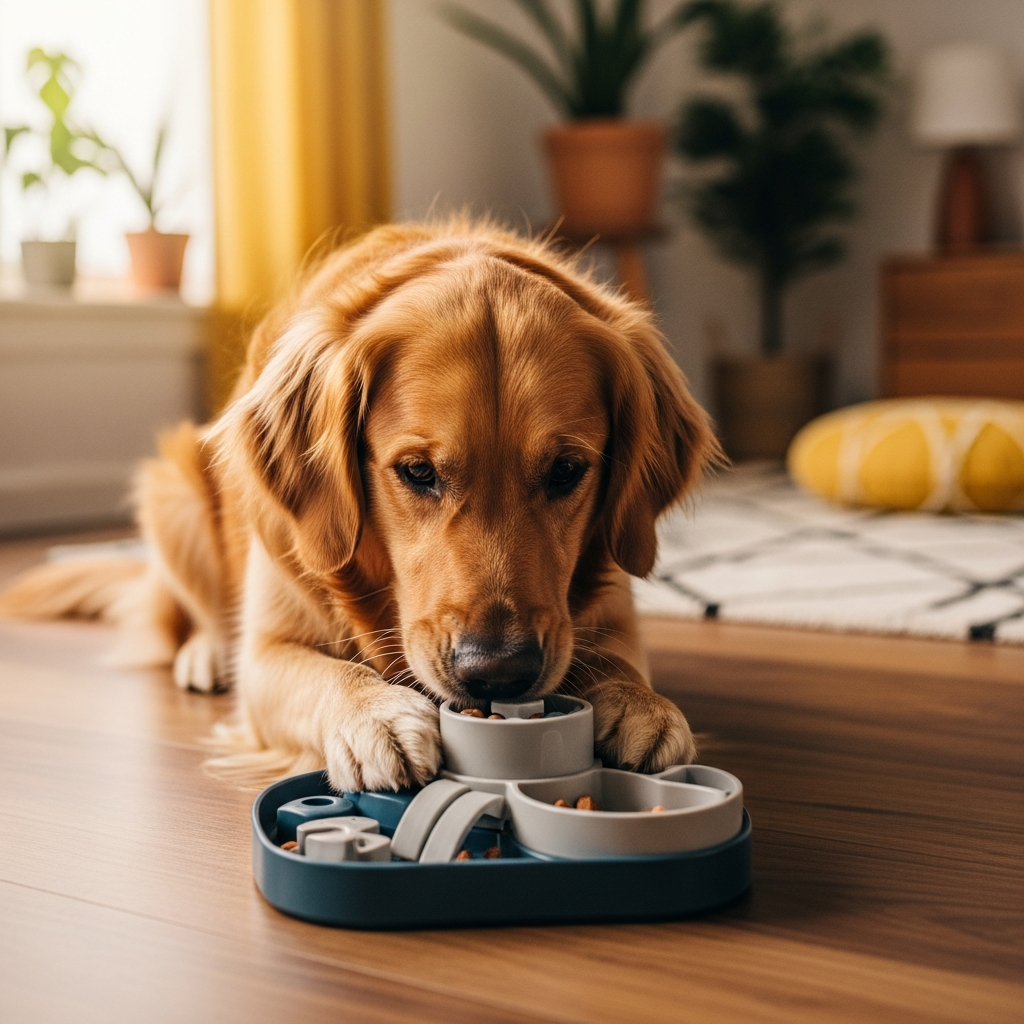
Enrichment doesn’t have to be complicated. A sniff walk where your dog leads and investigates every patch of grass is enrichment. A frozen Kong is enrichment. Scattering kibble in the yard instead of feeding from a bowl is enrichment. Nose work games, puzzle feeders, and training sessions that make your dog think - all enrichment.
The key is variety and consistency. Our guide on mental enrichment for dogs covers the science, walks through specific activities by difficulty level, and explains why enrichment is often more effective than exercise for addressing anxiety and behavioral problems. If your dog is getting plenty of walks but still seems wired, that guide is your starting point.
Fun Things to Do With Your Dog
Beyond the deep-dive adventure guides, sometimes you just need ideas. What do you do on a rainy Saturday? What’s a good activity for a dog that’s recovering from an injury and can’t run? What’s something new to try this weekend that doesn’t require a two-hour drive?
We put together a list of 25 fun things to do with your dog that goes way beyond the usual “take them to the park” advice. It’s organized by category - outdoor adventures, indoor enrichment, training games, and social activities - and each idea links to a deeper resource where relevant. Some are free, some require gear, and some will become part of your regular routine once you try them.
Gifts for the Dog Obsessed
If you’re reading an adventure-lifestyle guide about dogs, there’s a good chance someone in your life will eventually ask you what you want for your birthday. Or you’ll need a gift for a fellow dog person. Either way, we’ve got you covered.
The best gifts for dog owners guide is practical, segmented by budget, and entirely free of gimmick products. Every item on that list is something we’d actually use - because most of them are things we already do. From enrichment toys to quality beds to gear that makes adventures better, it’s the gift guide for people who actually live with their dogs.
Building an Adventure Dog
Not every dog is born ready for a 15-mile hike or a mountain bike session. Most aren’t. Building an adventure dog is a process, and it starts with three things: fitness, training, and trust.
Fitness Comes First
A dog that’s been doing 20-minute neighborhood walks isn’t ready for a summit day. Just like human fitness, you need to build your dog’s endurance gradually. Start with longer walks on varied terrain. Add elevation changes. Increase distance by no more than 10-15% per week. Watch for signs of fatigue - excessive panting, lagging behind, sitting down on the trail - and respect them.
Young dogs (under 12-18 months, depending on breed) shouldn’t do strenuous distance work. Their growth plates are still developing, and overexertion can cause joint problems that haunt them for life. Save the big adventures for when they’re physically mature.
Training Is the Foundation
An adventure dog needs a rock-solid recall. Not “comes when called at the dog park sometimes” - actual recall that works with distractions. Trail distractions. Wildlife distractions. Other-dog distractions. If your recall isn’t there, your dog stays on leash, period.
Beyond recall, trail-specific commands make everything smoother. “Wait” at water crossings. “Behind” on narrow singletrack. “Leave it” for dead things on the trail. “Off” when they want to greet every person they see. These aren’t obedience tricks - they’re safety tools.
If your dog’s recall or basic obedience needs work, start there before you hit the trail. Our dog training guides cover the fundamentals, and the enrichment-based approach in our bored dog solutions can help build the focus your dog needs for off-leash reliability.
Trust Takes Time
The real magic of adventuring with your dog isn’t in the Instagram post at the summit. It’s in the thousands of small moments where you and your dog learn to read each other. You learn their fatigue cues, their fear responses, their “I’m about to chase that squirrel” body language. They learn your hand signals, your tone, your pace.
That trust doesn’t develop overnight, and it doesn’t develop in your living room. It develops on the trail, on the road, in new environments where both of you are a little out of your comfort zone. Every adventure builds it.
Gear That Makes Adventures Possible
You don’t need a lot of gear to adventure with your dog, but the gear you do need matters. Cheap gear fails at the worst time. Ill-fitting gear causes discomfort and injury. The right gear disappears - your dog doesn’t notice it, you don’t think about it, and everything just works.
Here’s the short list for adventure dogs:
- Harness: A well-fitted no-pull harness that doesn’t restrict shoulder movement. This is your most important piece of gear.
- Boots: Protective dog boots for rocky, hot, or icy terrain. Your dog won’t like them at first. They’ll thank you later.
- GPS collar: A GPS tracking collar for off-leash adventures. Battery life and coverage area vary wildly between brands.
- Car harness: A crash-tested car harness for road trips. This isn’t about comfort - it’s about surviving a sudden stop.
- Collapsible bowl: Because your dog needs water every 15-20 minutes of hard exercise, and you can’t always find a stream.
- First aid kit: Basic supplies for cuts, sprains, and paw injuries. You can build your own or buy a pre-made one.
Our dog gear section reviews every category in depth, with real-world testing and honest assessments. No gear is perfect, and we’ll tell you the tradeoffs.
The Lifestyle Your Dog Deserves
Here’s what I’ve learned after years of adventuring with dogs: they don’t need perfect. They don’t need the most epic trail or the fanciest hotel or the most expensive puzzle toy. They need to be included. They need to go where you go, experience what you experience, and feel like they’re part of your life - not just a responsibility you manage at home.
The days I remember most aren’t the big summit days or the long road trips. They’re the random Tuesday hikes. The Sunday morning sniff walks. The evening where we sat on a brewery patio and my dog fell asleep under the table while I had a beer with a friend.
An active, enriched life with your dog doesn’t have to be extreme. It just has to be intentional. Include them. Challenge them. Give them variety. Pay attention to what they love and do more of it.
That’s the dog effect. Your life gets better when your dog is part of it.
What This Guide Covers
This pillar page is your hub for all dog lifestyle and adventure content on The Dog Effect. Here’s a directory of everything we cover in depth:
- 25 Fun Things to Do With Your Dog - Outdoor adventures, indoor enrichment, training games, and social activities to upgrade your dog’s life
- Hiking With Dogs - Trail etiquette, gear checklist, water and food planning, and distance guidelines by fitness level
- Road Trip With Your Dog - Pre-trip prep, rest stops, hotel selection, keeping your dog calm, and the complete gear list
- Mountain Biking With Your Dog - Fitness prerequisites, pace guidelines, essential commands, and trail selection
- Dog-Friendly Hotels - Which chains welcome dogs, hidden fees, and how to be a good guest
- Mental Enrichment for Dogs - The science of enrichment, nose work, sniff walks, food puzzles, and decompression activities
- Best Gifts for Dog Owners - Practical holiday and birthday gift ideas segmented by budget
Frequently Asked Questions
What outdoor activities can I do with my dog?
The list is longer than most people think. Hiking, trail running, mountain biking, paddleboarding, kayaking, camping, swimming, snowshoeing, and cross-country skiing are all activities that dogs can participate in - with the right preparation and training. Start with hiking, which has the lowest barrier to entry, and expand from there as your dog’s fitness and training improve. Our guide to fun things to do with your dog covers 25 specific ideas across every category.
How do I know if my dog is fit enough for hiking?
Start by evaluating their current activity level. If your dog regularly walks 3-5 miles without fatigue, they can likely handle an easy to moderate hike of similar distance. Build up gradually - increase distance by 10-15% per week and add elevation changes over time. Watch for excessive panting, lagging behind, lying down on the trail, or limping. Flat-faced breeds (Bulldogs, Pugs) have reduced exercise tolerance. Dogs under 12-18 months shouldn’t do strenuous distance work. When in doubt, start shorter than you think you need to and see how your dog recovers the next day.
Is it safe to travel with my dog?
Absolutely, with proper preparation. The most important elements are a crash-tested car harness for vehicle safety, regular rest stops every 2-3 hours, access to water, and never leaving your dog in a parked car. For longer trips, research dog-friendly hotels in advance, bring familiar items like their bed and a favorite toy, and maintain their feeding schedule as much as possible. Most dogs adapt well to travel once they’ve done it a few times.
How much exercise does my dog actually need?
This varies enormously by breed, age, and individual dog. A working-breed adolescent might need 2+ hours of activity daily. A senior Basset Hound might be happy with 30 minutes. But here’s what matters more than the number: quality over quantity. Thirty minutes of mentally engaging activity - a sniff walk, a training session, a nose work game - can tire your dog out more effectively than an hour of mindless fetch. Our mental enrichment guide explains why.
What’s the best first adventure to try with my dog?
A short, easy hike on a well-maintained trail. Choose something under 3 miles with minimal elevation gain, reliable water access, and that allows dogs on leash. Bring more water than you think you need, pack poop bags, and go at your dog’s pace - not yours. This first outing is about seeing how your dog responds to a new environment, not about covering distance. If they love it (most dogs do), you’ve just unlocked a lifetime of adventures together.
Can any dog be an adventure dog?
Most dogs can participate in some form of adventure, but the intensity and type will vary. A young, athletic breed like a Border Collie or Australian Shepherd can handle all-day mountain adventures. A senior Dachshund probably can’t - but they can absolutely enjoy a short nature walk, a car ride to a new park, or a sniff-focused exploration of a new trail. The adventure should fit the dog, not the other way around. Flat-faced breeds have real physical limitations in heat and at elevation. Large breeds with joint issues need shorter distances and softer terrain. Know your dog, and plan accordingly.