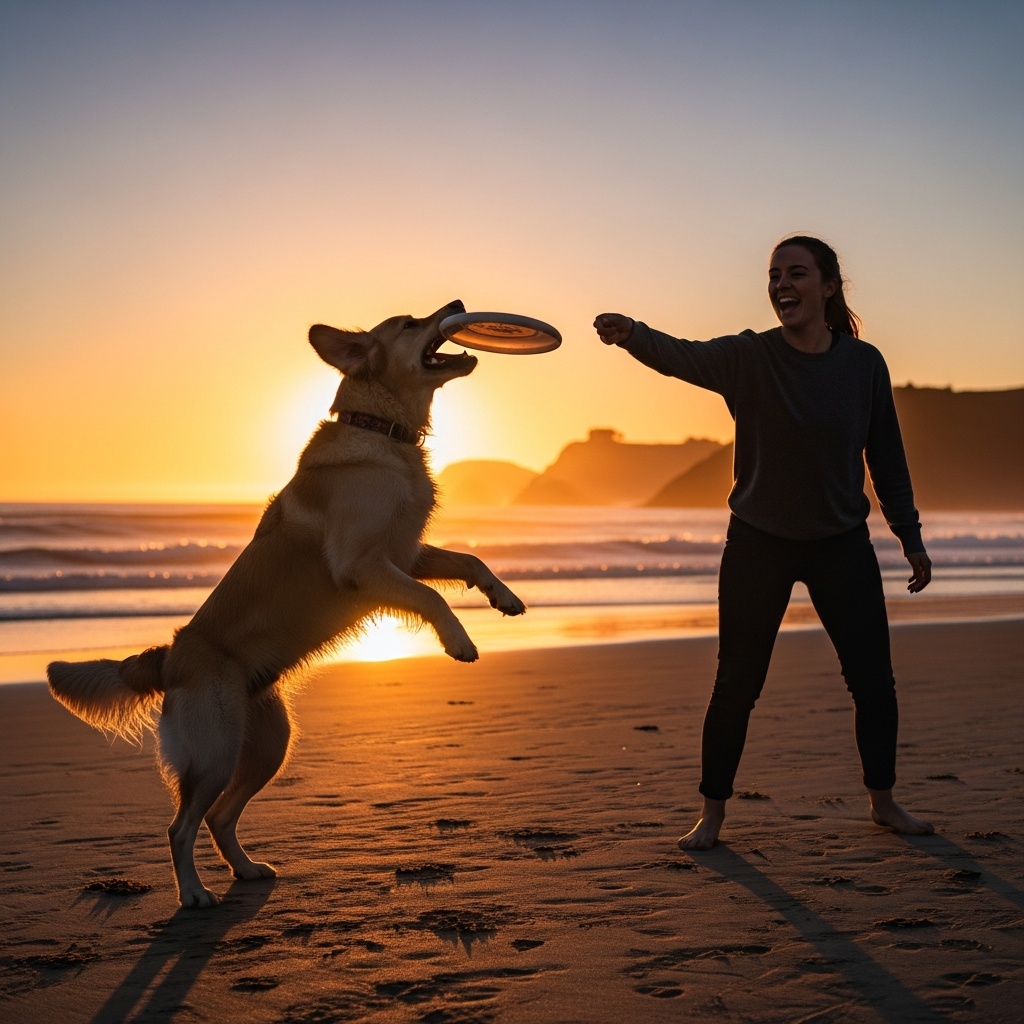
Let me guess - you’re sitting on the couch, your dog is staring at you with that look, and your usual rotation of walk-park-walk isn’t cutting it anymore. I’ve been there. My dog practically sighs at me when I grab the leash for the same neighborhood loop we’ve done 400 times.
Here’s the thing about dogs: they’re wired for novelty. New smells, new terrain, new problems to solve. The same walk every day is the dog equivalent of eating the same meal on repeat. It’s fine. It keeps them alive. But it’s not lighting up their brain the way a new experience does.
This list is 25 ideas that go beyond the basics. Some are outdoor adventures that’ll push both of you. Some are indoor activities for rainy days or recovery weeks. Some cost nothing. A few require gear. All of them will make your dog’s life - and yours - more interesting.
I’ve organized them into four categories. Pick one this weekend. Your dog is ready.
Outdoor Adventures
These are the big ones. The activities that create the best memories and give your dog the kind of full-body, full-brain stimulation they were built for. Start here if your dog has decent fitness and basic leash manners.
1. Hit a New Trail
This is number one for a reason. Hiking is the most accessible adventure you can have with your dog, and the key word is new. Even if you hike regularly, a trail your dog hasn’t sniffed before is a completely different experience for them. Their nose is processing thousands of new scents, their paws are adjusting to unfamiliar terrain, and their brain is mapping a new environment in real time.
You don’t need to drive three hours. Check AllTrails or your local parks department for trails within 30 minutes that allow dogs. Start with something easy and work up. Our full guide on hiking with dogs covers everything from gear to trail etiquette.
2. Swim Together
If your dog likes water (and most dogs will take to it with the right introduction), swimming is one of the best exercises you can give them. It’s zero-impact, so it’s excellent for dogs with joint issues, older dogs, or dogs recovering from injury. It torches energy. And most dogs who discover swimming become completely obsessed.
Start in shallow, calm water. A lake or slow-moving creek is ideal. Let your dog wade in at their own pace - never throw them in. A canine life jacket is smart for the first few outings, especially for breeds that aren’t natural swimmers (looking at you, Bulldogs and Dachshunds).
3. Paddleboard or Kayak With Your Dog
This one sounds wild, but it’s more accessible than you’d think. Stand-up paddleboarding with your dog is genuinely one of the most fun things I’ve ever done. It takes some practice - your dog needs to be comfortable on the board and you need decent balance - but once you get it dialed, it’s incredible.
Start on calm, flat water. Have your dog practice sitting on the board on land first. Use a non-slip mat. Go with a wider board (stability boards, not racing boards). And yes, wear the life jacket. Both of you.
4. Trail Run Together
If you’re a runner and your dog has the endurance for it, trail running together is next-level bonding. Trails are better than pavement for both of you - softer on joints, more engaging terrain, and fewer distractions than road running.
Build distance gradually. Your dog’s paws need to toughen up for longer runs, especially on rocky trails. Bring water for both of you. And remember that dogs can’t tell you when they’ve hit their limit, so err on the side of too short rather than too long for the first few outings.
5. Go Mountain Biking
The advanced adventure. Mountain biking with your dog requires serious prerequisites - reliable recall, physical conditioning, and trail training. But if you put in the work, it’s one of the most rewarding activities you can share. Start on wide, flat fire roads and build from there.
6. Camp Overnight
If your dog loves the trail, extend the adventure. Car camping is a great starting point - you’ve got all your gear close by and can bail if your dog isn’t into it. Once you’re comfortable, backpacking with your dog opens up even more options. Just remember: dogs need their own sleeping setup (a pad or blanket), extra food and water, and a secure tie-out or long lead for camp.
7. Visit a Dog Beach
Dog beaches are like regular beaches but better. Your dog can run, swim, dig, and socialize off-leash while you sit in a camp chair and watch them have the time of their life. Most coastal areas have designated dog beaches - check local regulations for seasonal restrictions and leash rules.
Indoor Enrichment
Rainy days happen. Recovery weeks happen. Extreme heat happens. And during all of them, your dog still needs stimulation. These indoor activities are not consolation prizes - they’re legitimate mental workouts that can tire your dog out as effectively as a long walk.
8. Set Up a Nose Work Course
Nose work is one of the most underrated activities for dogs. Hide treats around the house - under cups, behind furniture, inside boxes - and let your dog find them using their nose. Start easy and increase difficulty as they get the hang of it.
You can also get formal about it. Competitive nose work (also called scent work) is a real sport with classes and trials. But for most dogs, a simple hide-and-seek game with treats is plenty.
9. Build a Puzzle Feeder Station
Stop feeding your dog from a bowl. Seriously. Bowls are boring. Instead, use puzzle feeders, snuffle mats, stuffed Kongs, and scatter feeding to make your dog work for their meals. This single change can dramatically reduce boredom-related behavior problems.
Check out our guide on mental enrichment for dogs for specific product recommendations and DIY options.
10. Indoor Agility Course
You don’t need professional equipment. Use broomsticks across chair legs for jumps. A blanket over two chairs becomes a tunnel. A line of water bottles is a weave course. Your dog doesn’t care that it’s improvised - they care that they’re doing something with you. Keep sessions short (5-10 minutes), upbeat, and treat-heavy.
11. The “Find It” Game
This is nose work simplified. Show your dog a treat, have them wait (or have someone hold them), hide the treat in another room, then release them with “find it.” Start with easy hides and gradually make them harder. Once your dog understands the game, you can hide their favorite toy instead of treats. Some dogs will play this for 30 minutes straight without losing interest.
12. Teach a New Trick
The old saying is wrong - dogs of any age can learn new tricks, and the process of learning is itself enriching. Trick training engages your dog’s brain in a way that basic obedience doesn’t because they’re problem-solving in real time.
Beyond the basics, try: spin, shake (both paws), roll over, play dead, take a bow, weave through legs, close the door, bring your leash. YouTube is full of tutorials for each one. Keep sessions under 10 minutes and end on a success.
13. Frozen Enrichment
Freeze a Kong stuffed with peanut butter and kibble. Freeze a bowl of broth with treats suspended inside. Make a “pupsicle” with yogurt and blueberries in a silicone mold. Frozen enrichment keeps your dog occupied, engages their problem-solving brain, and is perfect for hot days or when you need 20 minutes of uninterrupted quiet.
14. Tug-of-War Tournament
Tug is one of the best interactive games you can play with your dog. Despite the old myth, it does not make dogs aggressive. Modern training science confirms that tug actually strengthens your bond, provides physical exercise, and teaches impulse control (when you add “drop it” rules).
Use a sturdy tug toy, let your dog win sometimes, and stop if they redirect to your hands. That’s it. Simple, effective, and most dogs are absolutely crazy about it.
Training Games
Training doesn’t have to feel like training. The best training sessions look like games, and the best games teach your dog something useful. These activities build skills while keeping things fun.
15. Recall Games in the Park
Grab a friend (or two) and a handful of high-value treats. Stand 20-30 feet apart and take turns calling your dog. When they come, huge reward - treats, praise, the whole production. Gradually increase the distance. This is one of the fastest ways to build reliable recall, and it looks like a game because it is one.
16. “Two Ball” Fetch
Regular fetch gets stale because your dog spends half the time running back and the other half debating whether to drop the ball. With two-ball fetch, you throw the second ball as soon as they’re heading back with the first, which means they drop the first ball to chase the second. Non-stop action, and it teaches a natural “drop” behavior without the negotiation.
17. Flirt Pole Sessions
A flirt pole is basically a giant cat toy for dogs. A stick, a rope, and a lure at the end. You move it, your dog chases it. It looks simple, but it’s an incredible workout - five minutes of flirt pole can burn as much energy as a 30-minute walk. Plus, it’s a natural way to practice impulse control by having your dog wait, then releasing them to chase.
18. Obstacle Course With Commands
Combine your indoor agility course with obedience commands. “Sit” before the jump. “Wait” before the tunnel. “Over” for the broomstick hurdle. “Through” for the chair tunnel. This isn’t just exercise - it’s engagement. Your dog has to listen, process, and respond while moving. That’s high-level mental work.
19. Hide and Seek (You Hide)
This is my personal favorite. Have someone hold your dog or put them in a sit-stay. Go hide - behind a door, in a closet, behind the shower curtain. Release them and let them find you. The freak-out when they find you is worth everything. This builds recall drive, problem-solving skills, and the sheer joy of finding their person.
Social Activities
Dogs are social animals, and variety in their social life matters just as much as variety in their physical activities. These ideas get your dog out into the world in a controlled, positive way.
20. Brewery or Cafe Patio Hangout
Dog-friendly breweries and cafes are everywhere now, and they’re a fantastic way to practice calm public behavior while you enjoy yourself. The key is managing expectations - bring a mat for your dog to lie on, bring a chew or stuffed Kong, and don’t stay longer than your dog can handle. For some dogs that’s two hours. For others it’s 20 minutes. Both are fine.
21. Dog-Friendly Store Run
Many hardware stores, pet stores, and outdoor retailers allow dogs inside. These outings are gold for socialization - new smells, new people, new surfaces. Just make sure your dog is comfortable in the environment (not stressed or reactive) and keep them on a short leash so they’re not making shopping decisions in the treat aisle unsupervised.
22. Group Dog Walk or Hike
Find a local hiking or dog walking group. The social element - for both you and your dog - adds a completely different dynamic to the activity. Your dog learns to walk and hike with unfamiliar dogs, which is a real skill. Facebook groups, Meetup, and local dog training facilities are good places to find these.
23. Visit a Friend’s Dog
Playdates are underrated. A one-on-one play session with a compatible dog, in a controlled environment, is better socialization than most dog parks. You know the other dog’s temperament, you can manage the space, and your dog gets focused social interaction without the overstimulation of a crowded park.
24. Attend a Dog-Friendly Event
Farmers markets, outdoor festivals, charity walks, and dog-specific events (like local adoption events or breed meetups) give your dog novel experiences in a social setting. These are excellent for building confidence and exposing your dog to different environments. Just watch for signs of stress and have an exit strategy if they’re overwhelmed.
25. Plan a Dog-Friendly Road Trip
This is the big one. Pack the car, pick a destination, and make the whole trip about doing things with your dog. Trail in the morning, brewery patio in the afternoon, dog-friendly hotel at night. Our road trip planning guide covers every detail, from gear to rest stop strategy to keeping your dog calm in the car.
How to Pick the Right Activity for Your Dog
Not every activity on this list is right for every dog. Here’s a quick framework:
High-energy breeds (Border Collies, Aussies, Huskies, Labs, Pointers): They’ll thrive with outdoor adventures, trail running, mountain biking, and high-intensity games like flirt pole. Give them distance, speed, and problem-solving.
Moderate-energy breeds (Golden Retrievers, Spaniels, Standard Poodles): Hiking, swimming, nose work, and training games are perfect. They have the stamina for adventures but don’t need the extreme intensity.
Low-energy or brachycephalic breeds (Bulldogs, Basset Hounds, Pugs, Shih Tzus): Focus on enrichment activities, short walks to new places, nose work, and social outings. These dogs get more from mental stimulation than physical distance.
Senior dogs: Nose work, puzzle feeders, short sniff walks, and social activities keep them engaged without physical strain. Swimming is excellent if they enjoy water - the low impact is ideal for aging joints.
Puppies (under 1 year): Short, positive experiences with lots of variety. Socialization activities, basic training games, and brief outdoor adventures. Avoid sustained distance work until growth plates close.
The best activity is the one your dog loves and the one you’ll actually do consistently. Experiment. Pay attention to what lights your dog up. Do more of that.
Frequently Asked Questions
How do I know if my dog is bored?
Destructive behavior is the number one sign - chewing furniture, digging holes, shredding pillows. Excessive barking, pacing, and attention-seeking behavior also indicate boredom. Some dogs become lethargic and disengaged, which people mistake for being “well-behaved” when they’re actually understimulated. If your dog perks up dramatically when something new happens, they’re probably not getting enough variety in their daily life.
What’s the best activity for a dog that’s recovering from surgery?
Mental enrichment is your best friend during recovery. Nose work, puzzle feeders, frozen Kongs, and short, calm training sessions keep your dog engaged without physical strain. Talk to your vet about what level of activity is appropriate and check out our mental enrichment guide for ideas that require zero physical exertion.
Are dog parks a good activity?
Dog parks can be great for some dogs and terrible for others. The problem is that you can’t control the other dogs there. If your dog is well-socialized, confident, and has good recall, a well-maintained dog park can be a fine outlet. But if your dog is anxious, reactive, or still learning social skills, a dog park can set them back. One-on-one playdates with known, compatible dogs are almost always a better option.
How often should I do something new with my dog?
Aim for at least one novel experience per week. That doesn’t have to be a big adventure - it can be as simple as walking a different route, visiting a new park, or introducing a new enrichment activity at home. The goal is variety, not intensity. Your dog’s brain benefits more from new experiences than from repeating the same high-intensity activity.
Can older dogs try new activities?
Absolutely. Senior dogs benefit enormously from novelty and mental stimulation. You just need to adjust the intensity. A senior dog might not be able to do a 10-mile hike, but they can absolutely enjoy a short sniff walk on a new trail, a nose work session, or a trip to a dog-friendly patio. Some of my best adventure memories involve older dogs who were clearly thrilled to be included, even at a gentler pace.
What indoor activities tire a dog out the fastest?
Nose work and puzzle feeding are surprisingly tiring. A 15-minute nose work session can exhaust a dog more than a 30-minute walk because it engages their brain intensely. Tug-of-war and flirt pole sessions are the fastest physical energy burners for indoor use. Training new tricks is another great option - the mental effort of learning something new is genuinely fatiguing.