Getting a dog changes your life in ways you can’t fully prepare for. The house gets louder. The schedule gets tighter. The couch is no longer yours. And somehow, all of it is worth it.
But the first year is where most new dog owners feel completely overwhelmed. There are hundreds of products to buy, conflicting training advice everywhere, vet visits that cost more than you expected, and a living creature staring at you like you’re supposed to have all the answers.
This guide is your roadmap. Whether you’re bringing home an 8-week-old puppy or a 5-year-old rescue, we’ll walk through every major decision you’ll face in the first year – what to buy, how to train, when to see the vet, and how to build a routine that works for both of you.
How to Choose the Right Dog for Your Life
Before you fall in love with a puppy photo online, you need an honest conversation with yourself about your actual lifestyle – not the one you wish you had.
Lifestyle Assessment
Ask yourself these questions and answer honestly:
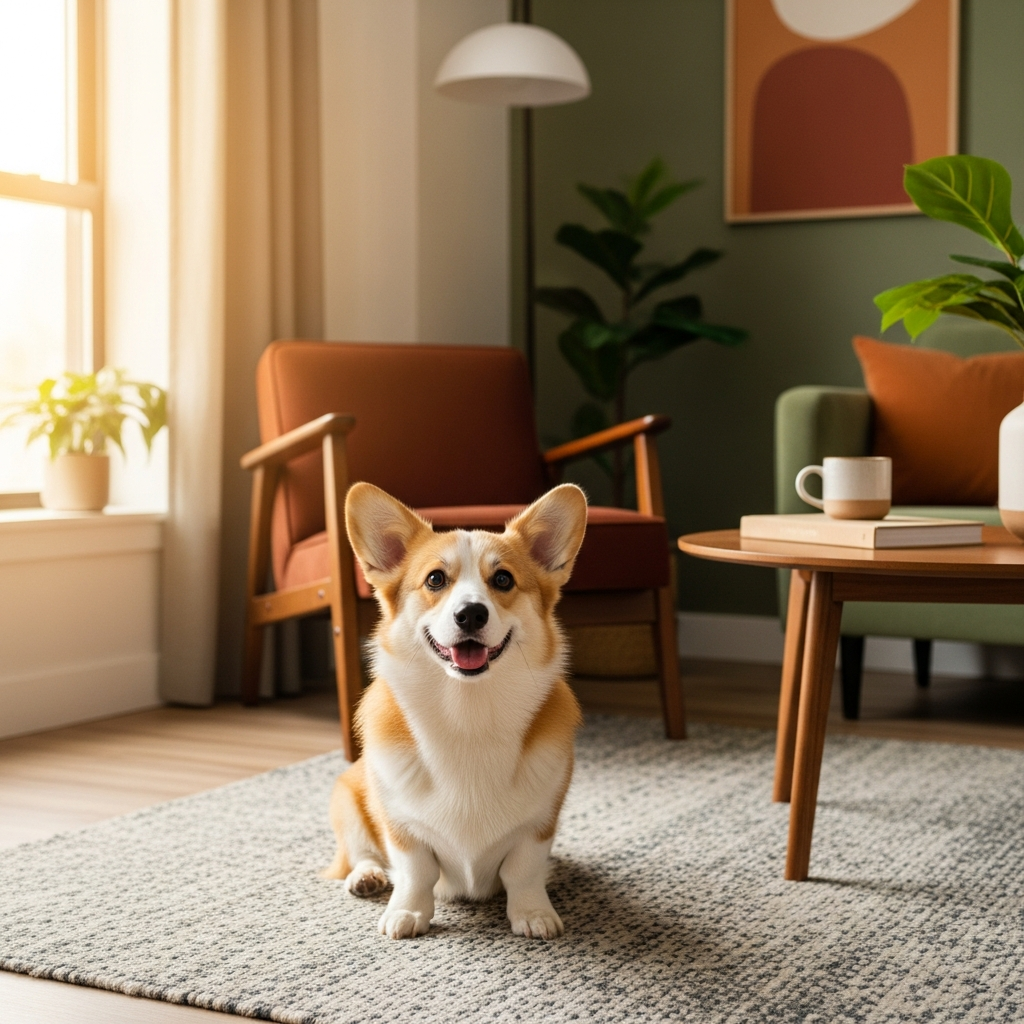
- How many hours are you home each day? Dogs are social animals. If you work 10-hour shifts, a high-energy breed that needs constant stimulation is going to destroy your apartment and your sanity. Look into breeds suited for apartment living if you’re gone for longer stretches.
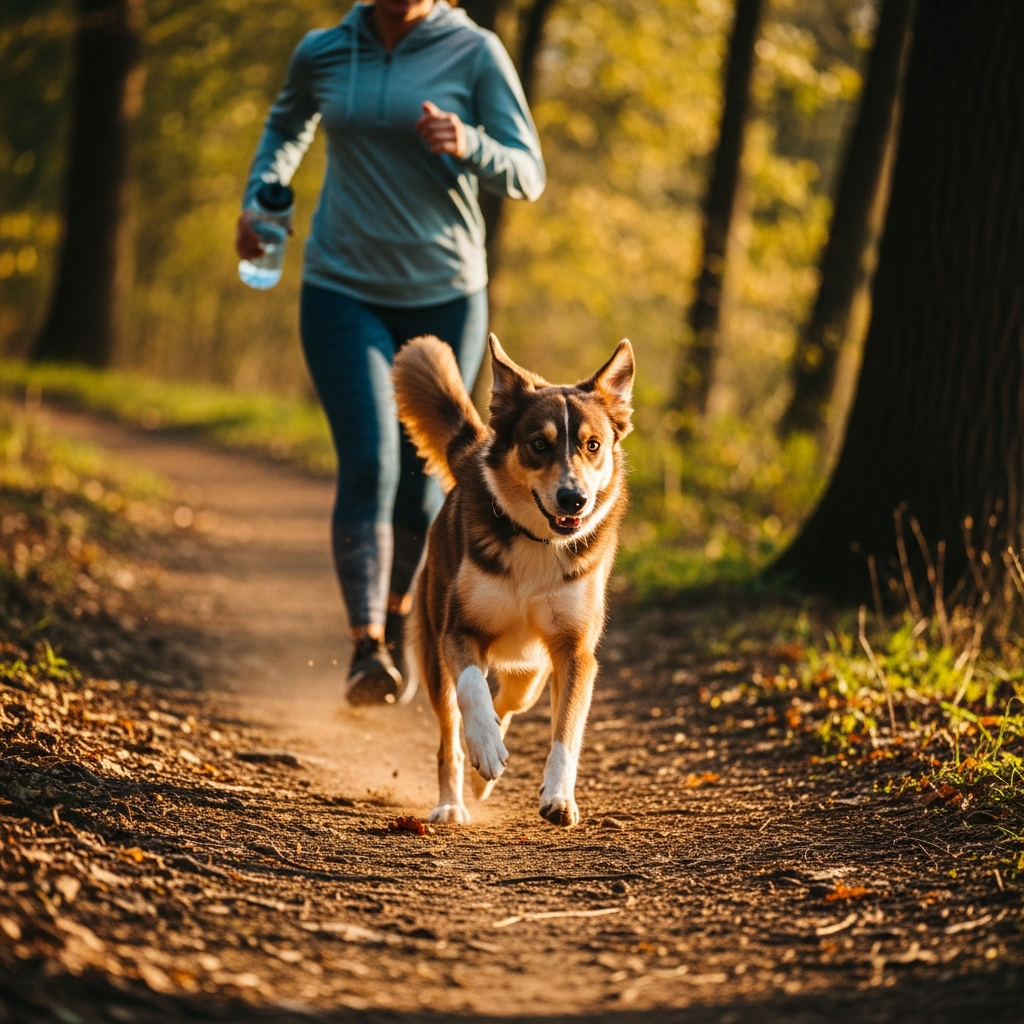
- How active are you – really? Saying “I’ll start running when I get a dog” is the dog-owner version of a gym membership in January. If you already run, hike, or bike regularly, check out our guide to the best breeds for active people. If your weekends are more Netflix than trail runs, be honest about that.
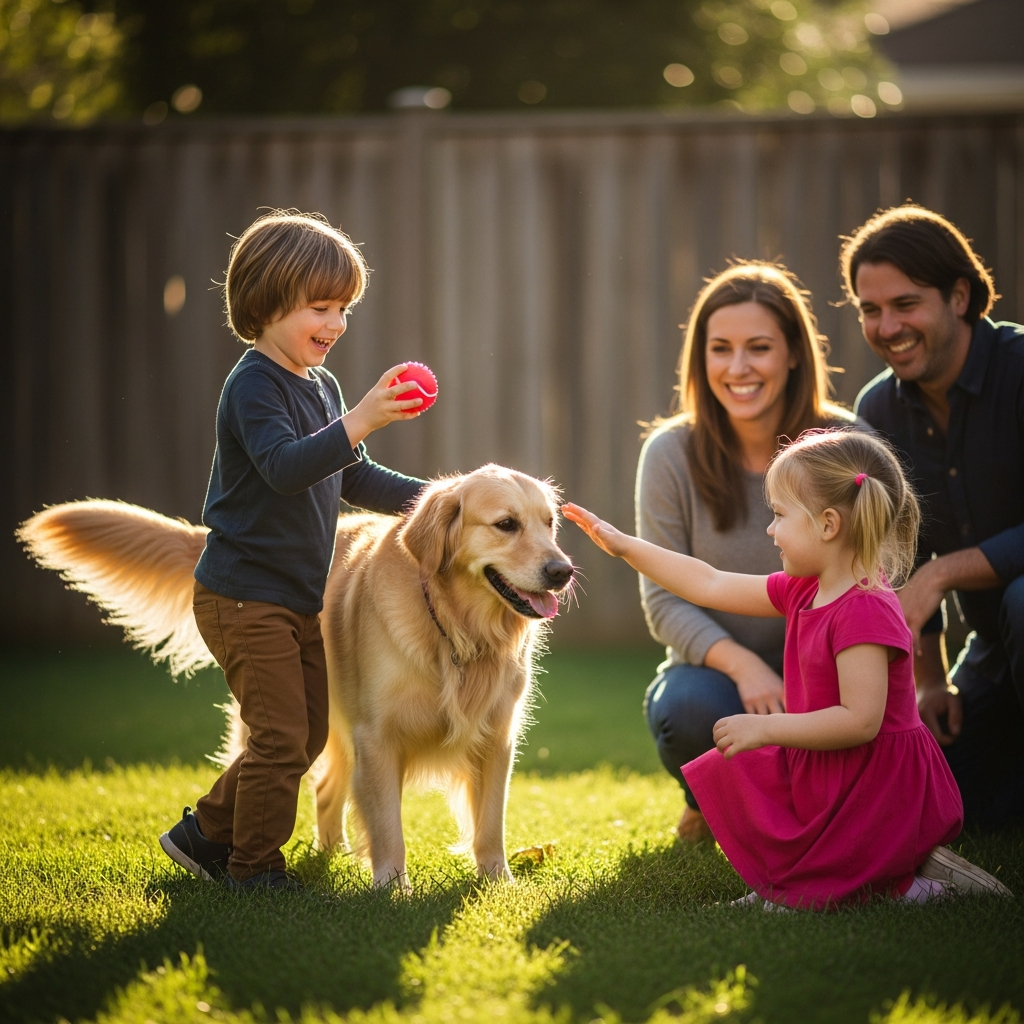
- Do you have kids? Kids change everything. You need a breed with patience, low reactivity, and a high tolerance for unpredictable behavior. Our best breeds for families guide ranks breeds on the metrics that actually matter around children.
- What’s your living situation? A Great Dane can technically live in an apartment, but a 130-pound dog in 600 square feet is a daily obstacle course. Consider square footage, yard access, noise restrictions from landlords, and whether you own or rent.
- What’s your budget? Dogs cost between $1,500 and $4,500 per year depending on size, health needs, and where you live. Factor in food, vet visits, grooming, gear, and the inevitable emergency that every dog owner eventually faces.
Rescue vs. Breeder
This is one of the most personal decisions you’ll make, and it’s also one of the most debated topics in the dog world. Both paths can lead to a wonderful, healthy dog. Both have trade-offs.
We wrote an entire guide on rescue vs. breeder that covers the real differences in cost, timeline, health predictability, and behavioral considerations – without the judgment that usually dominates this conversation.
The short version: responsible breeders offer predictability in size, temperament, and health testing. Rescue organizations offer dogs that need homes, often at lower upfront cost, with the added reward of giving a second chance. Neither choice makes you a better or worse dog owner.
Size and Energy Level Matter More Than Breed
Here’s something experienced dog owners know that first-timers often miss: individual temperament varies enormously within a breed. A “lazy” Golden Retriever exists. A “hyper” Basset Hound exists. Breed gives you a general framework, not a guarantee.
That said, size and energy level are the two factors that will impact your daily life the most. A high-energy 70-pound dog that doesn’t get enough exercise will remodel your house for you – and not in a way you’ll appreciate.
Preparing Your Home Before the Dog Arrives
The 48 hours before your dog comes home are when you should be at your most organized. Once they walk through that door, your attention will be fully consumed.
Dog-Proofing Essentials
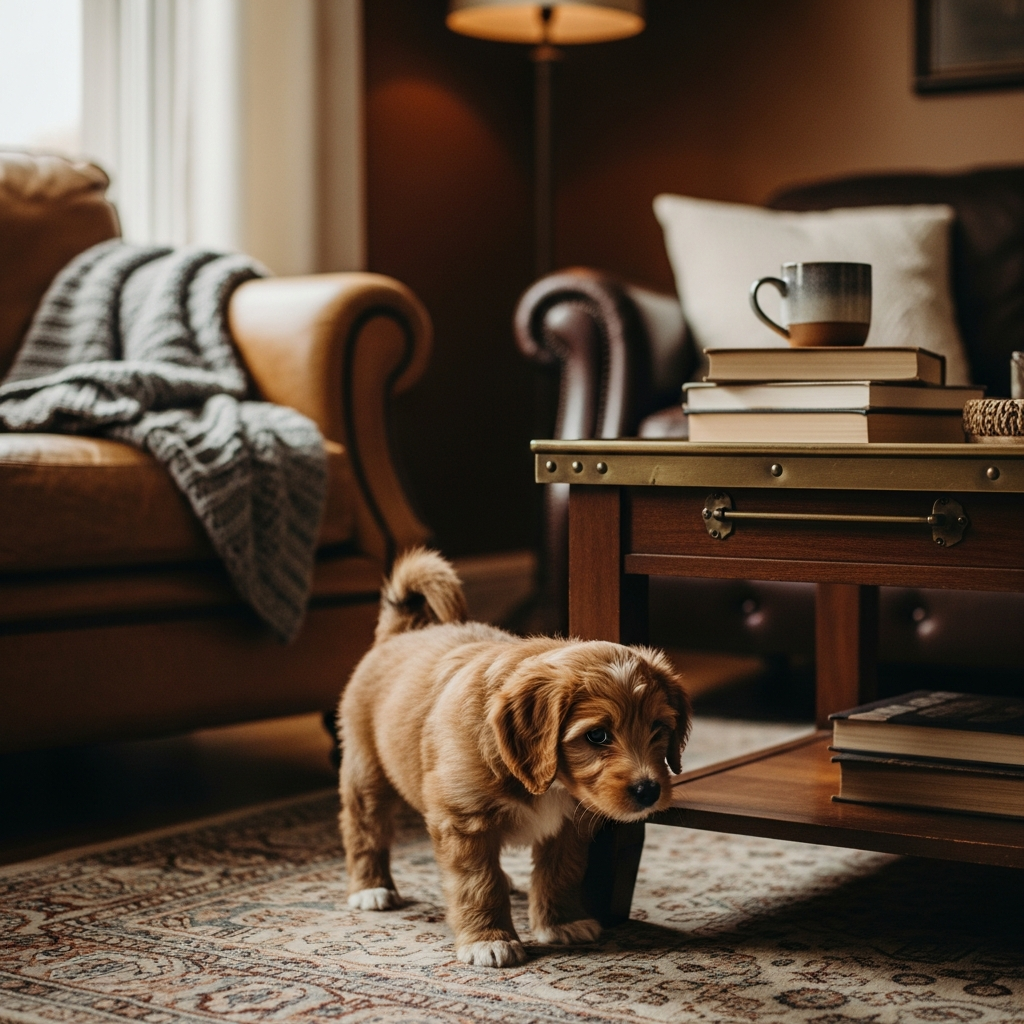
Think of this like baby-proofing, but for a creature that can jump on counters, chew through power cords, and open cabinets.
Kitchen and living areas:
- Move trash cans behind cabinet doors or get ones with locking lids
- Secure cleaning supplies, medications, and anything toxic
- Pick up shoes, remote controls, and anything you don’t want chewed
- Cover or hide electrical cords
- Move houseplants out of reach (many common plants are toxic to dogs – lilies, pothos, sago palms, and aloe are among the worst offenders)
Yard:
- Walk the perimeter and check for gaps in fencing
- Remove or fence off toxic plants
- Check for standing water, sharp objects, or areas where a dog could dig under the fence
- If you use lawn chemicals, switch to pet-safe alternatives before the dog arrives
Designated dog space:
- Set up a crate in a quiet corner of a common room – not isolated, not in the middle of foot traffic
- Place water and food bowls in a consistent spot
- Have a bed or blanket in the main living area so they have a “place” near you
The Gear You Actually Need
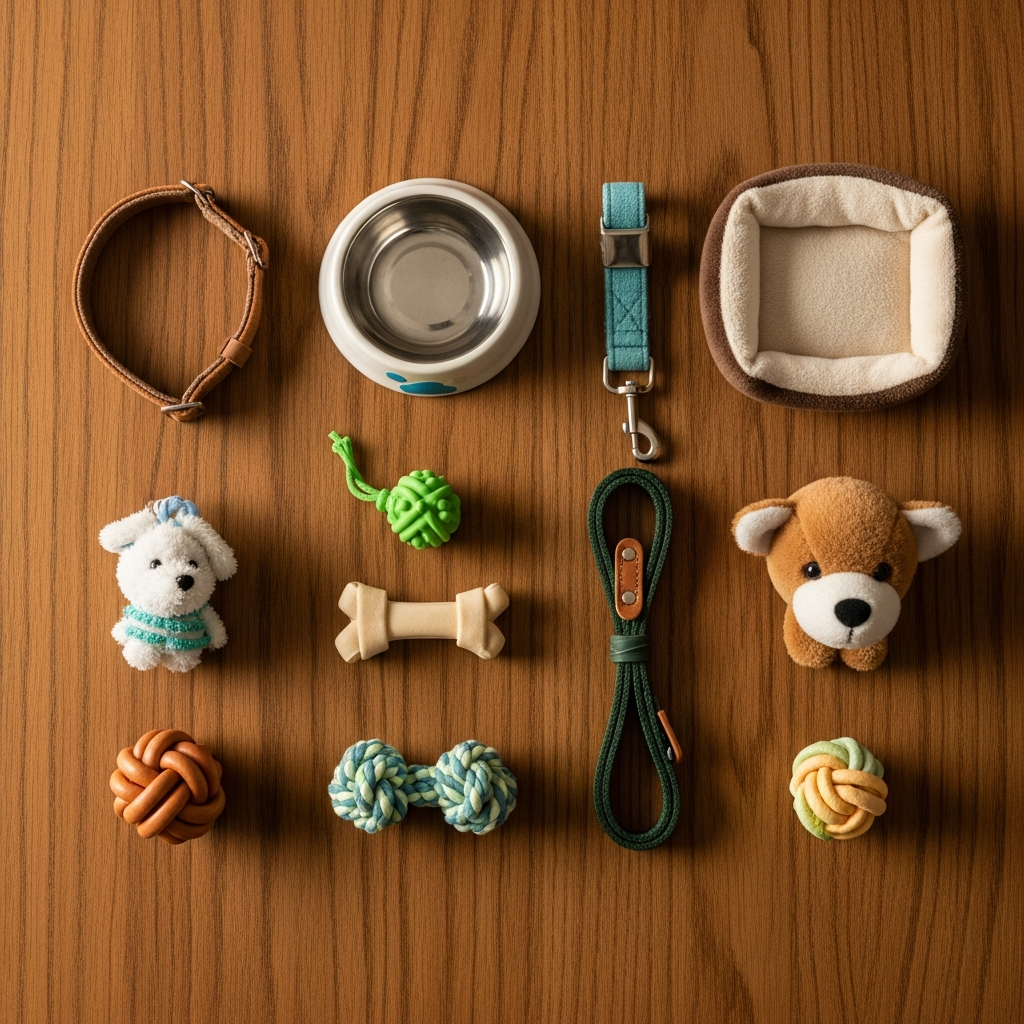
We have a full new puppy checklist that covers every item with links to our tested picks. But here’s the minimum you need on day one:
Non-negotiable day-one gear:
- Crate sized for their adult weight (with a divider for puppies)
- Collar with ID tags – even before microchipping, a tag with your phone number can save their life
- Leash (6-foot standard, not retractable)
- Food and water bowls (stainless steel is easiest to clean)
- Age-appropriate food (have this purchased before they arrive)
- Enzymatic cleaner for accidents (Nature’s Miracle or similar – regular cleaners won’t break down the enzymes that make dogs return to the same spot)
- Poop bags
Important in the first week:
- A few chew toys (different textures to find what they prefer)
- Treats for training (small, soft, easy to break)
- Baby gates if you want to limit access to certain rooms
Don’t overbuy before they arrive. You’ll learn quickly what your specific dog needs, and it’s better to buy the right thing once than the wrong thing three times.
Food Setup
Your dog’s diet is one of the biggest decisions you’ll make, and it directly impacts their health, energy, coat, digestion, and even behavior. For puppies, start with a high-quality puppy food formulated for their expected adult size. Large breed puppies need controlled calcium and phosphorus levels to protect their joints during growth.
Don’t switch foods abruptly. If you’re changing from whatever the breeder or shelter was feeding, transition over 7-10 days by gradually mixing in the new food. Sudden changes cause diarrhea, which is the last thing you need during the already chaotic first week.
Feeding schedule by age:
- 8-12 weeks: 4 meals per day
- 3-6 months: 3 meals per day
- 6-12 months: 2 meals per day
- Adults: 1-2 meals per day (most owners stick with 2)
Free-feeding (leaving food out all day) works for some dogs but makes house training harder and makes it difficult to notice appetite changes, which are often the first sign something is wrong.
The First Week: Survival Mode
The first week is the hardest. Your dog doesn’t know your rules, your house, or your schedule. You don’t know their signals, their fears, or their quirks. Everyone is learning.
We have a complete day-by-day first week guide that walks through exactly what to expect and what to prioritize each day. Here’s the condensed version.
Day One: Less Is More
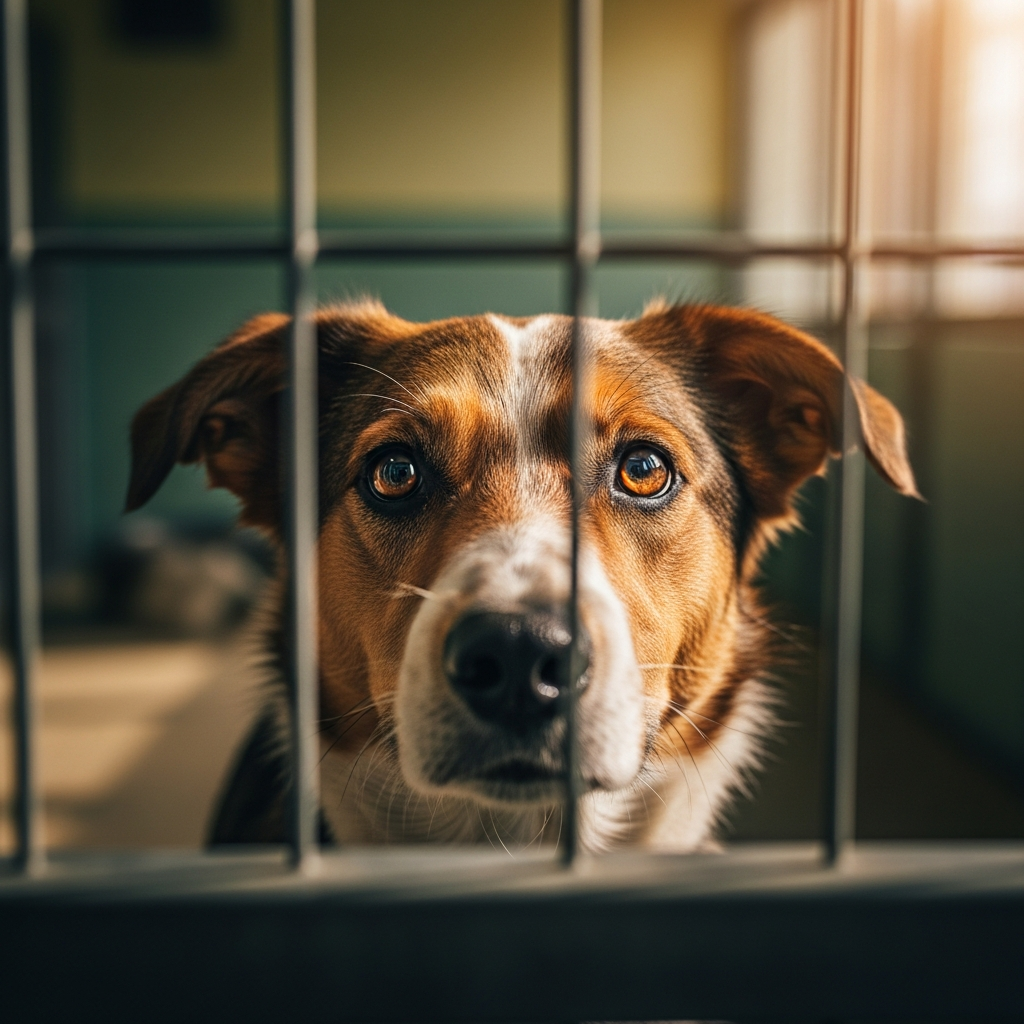
The number one mistake new owners make on day one is doing too much. The dog just left everything it knows – its littermates, its foster home, its shelter kennel. Everything is new, and new is stressful.
Day one priorities:
- Show them where water, food, and their crate are
- Take them outside to potty every 30-60 minutes (puppies) or every 2-3 hours (adults)
- Keep the house calm and quiet. No parties, no crowds, no overwhelming introductions
- Let them sniff and explore at their own pace
- Don’t force affection. Some dogs warm up in hours; others take days or weeks
The First Night
Expect crying. This is normal. The puppy or dog is alone in the dark in a strange place, and they’re communicating the only way they know how.
Place the crate in your bedroom so they can hear and smell you. This isn’t “spoiling” them – it’s reducing their stress response so they can actually sleep. You can gradually move the crate to its permanent location over the following weeks.
For puppies under 4 months, expect at least one middle-of-the-night potty trip. Set an alarm for 3-4 hours after bedtime, take them out quietly, and put them right back. No playing, no lights, no fun. Nighttime is boring.
Establishing a Routine
Dogs thrive on routine. Within the first week, try to establish consistent times for:
- Morning potty trip and breakfast
- Midday walk or potty break
- Afternoon activity or training session
- Evening meal and walk
- Bedtime routine and final potty trip
Your dog’s internal clock will adjust to this schedule remarkably fast. Consistency is the single most powerful tool you have as a new owner.
The “3-3-3 Rule” for Rescue Dogs
If you adopted a rescue, expect this general timeline:
- First 3 days: Overwhelmed, shut down, may not eat much, may hide, may not show their true personality. This is decompression, not depression.
- First 3 weeks: Starting to settle in, testing boundaries, beginning to show their real temperament. Some behavioral issues may emerge that weren’t visible at the shelter.
- First 3 months: Finally comfortable. You’re now seeing the real dog. This is when bonding deepens and training can accelerate.
Don’t judge a rescue dog by their first week. The dog you see on day 3 is not the dog you’ll have on day 90.
Basic Training: Start Immediately
Training isn’t something you schedule for next month. It starts the second your dog walks through the door. Every interaction is training, whether you intend it to be or not.
The Five Commands Every Dog Needs
You don’t need a trick dog. You need a dog that can navigate daily life safely. These five basic commands cover 90% of real-world situations:
- Sit – The foundation. Use it before meals, before going through doors, before getting attention.
- Stay – Safety command. Keeps them from bolting out the door or rushing into the street.
- Come – The recall. Potentially the most important command you’ll ever teach. A reliable recall can save their life.
- Leave it – Keeps them from eating something dangerous on a walk or grabbing food off the counter.
- Down – Settling command. Teaches them to relax on cue, which is essential for calm household behavior.
Start with short sessions – 5 minutes, three times a day. Puppies have the attention span of a goldfish. Make it fun, use high-value treats, and always end on a success.
Crate Training
The crate is not a punishment. It’s a den, a safe space, a management tool, and the fastest way to house train a puppy. Our complete crate training guide walks through the process step by step.
The key principles:
- Never use the crate as punishment
- Build positive associations with treats and meals inside
- Increase duration gradually – minutes, then hours
- A puppy can hold their bladder for roughly one hour per month of age (a 3-month-old can hold it for about 3 hours)
House Training
House training is a management game, not a discipline game. You’re managing the environment so the dog has every opportunity to succeed and very few chances to fail.
The formula:
- Take them out immediately after waking up, after eating, after playing, and after napping
- Reward the instant they go potty outside – treat and verbal praise right there in the yard
- If they have an accident inside, clean it up with enzymatic cleaner and move on. No punishment. They won’t connect your anger to the pee they left 20 minutes ago
- Supervise constantly when they’re not crated. If you can’t watch them, they should be in the crate
Most puppies are reliably house trained by 4-6 months. Some take longer. Adult rescue dogs may need a refresher period, especially if they’ve been in a shelter environment.
Socialization: The Window You Can’t Reopen
For puppies, the critical socialization window is between 3 and 14 weeks of age. What they experience during this period shapes their confidence and behavior for life. Our full socialization guide covers techniques for both puppies and adult dogs.
What Socialization Actually Means
Socialization isn’t just “meeting other dogs.” It’s systematic, positive exposure to as many different stimuli as possible:
- People: Different ages, sizes, ethnicities, wearing hats, in wheelchairs, carrying umbrellas
- Dogs: Different sizes, breeds, play styles (only with vaccinated, known-friendly dogs until fully vaccinated)
- Environments: Sidewalks, parks, parking lots, pet stores, outdoor restaurants, the vet’s office (for happy visits, not just shots)
- Surfaces: Grass, gravel, metal grates, hardwood, tile, sand
- Sounds: Traffic, thunder, fireworks (use recorded sounds at low volume), vacuums, doorbells, children playing
The goal isn’t just exposure – it’s positive exposure. Flooding a puppy with overwhelming stimuli does more harm than no socialization at all. Watch their body language. If they’re cowering, tucking their tail, or trying to flee, you’ve pushed too far.
Socialization for Adult Rescue Dogs
Rescue dogs may have gaps in their socialization. The approach is the same – gradual, positive exposure – but the timeline is slower and the expectations should be more conservative. Some adult dogs will never love dog parks, and that’s okay. The goal is tolerance and confidence, not enthusiasm.
Veterinary Care: The First-Year Schedule
Your vet is your most important partner in the first year. Build a relationship early and don’t skip appointments.
Puppy Vaccination Schedule
Puppies need a series of vaccines given every 3-4 weeks from about 6-8 weeks old until 16 weeks:
- 6-8 weeks: DHPP (distemper, hepatitis, parainfluenza, parvovirus) – first round
- 10-12 weeks: DHPP booster, Leptospirosis, Bordetella (if boarding or in group settings)
- 14-16 weeks: DHPP final booster, Rabies (required by law in all states)
- 12-16 weeks: Lyme vaccine (if in a tick-heavy area – discuss with your vet)
Until the vaccine series is complete, avoid dog parks, pet stores, and areas where unvaccinated dogs may have been. Parvo lives in soil for years and is often fatal in unvaccinated puppies.
Adult Dog First Visit
If you adopted an adult dog, schedule a vet visit within the first week. Bring any medical records from the shelter or rescue. Expect the vet to:
- Do a full physical exam
- Update any overdue vaccines
- Test for heartworm (and start prevention if not already on it)
- Check for intestinal parasites
- Discuss spay/neuter timing if not already done
- Start flea and tick prevention
Spay/Neuter Timing
This topic has evolved significantly in recent years. The old standard of “6 months for everything” has been replaced by more nuanced guidance based on breed, size, and sex.
For large and giant breeds, many veterinarians now recommend waiting until growth plates close (12-18 months) to reduce the risk of joint problems. For smaller breeds, earlier timing may be appropriate. Discuss the specifics with your vet – this isn’t a one-size-fits-all decision.
Ongoing Health Costs to Budget For
| Expense | Annual Estimate |
|---|---|
| Routine vet visits (1-2 per year) | $200 - $400 |
| Vaccines and boosters | $100 - $250 |
| Flea, tick, and heartworm prevention | $200 - $400 |
| Food | $400 - $1,200 |
| Grooming (breed-dependent) | $0 - $800 |
| Emergency fund | $500 - $2,000+ |
Consider dog health insurance – especially for breeds prone to expensive conditions like hip dysplasia, cancer, or ACL tears. Insurance is most affordable when purchased young, before any pre-existing conditions are documented.
Exercise and Mental Stimulation
A tired dog is a good dog. But “tired” doesn’t just mean physically exhausted – mental stimulation matters just as much, sometimes more.
Physical Exercise by Age
- Puppies (under 1 year): Short, frequent play sessions. The old rule of thumb is 5 minutes of structured exercise per month of age, twice a day. So a 4-month-old gets two 20-minute sessions. Avoid forced running on hard surfaces until growth plates close.
- Adult dogs (1-7 years): Most dogs need 30-90 minutes of physical activity per day. This varies enormously by breed. A Border Collie needs 90+ minutes; a Bulldog might be content with 30.
- Senior dogs (7+ years): Adjust for joint health and stamina. Shorter, more frequent walks are better than one long session.
Mental Stimulation
Physical exercise alone won’t satisfy a smart, driven dog. You also need mental work. Check out our guide to mental enrichment for dogs for detailed ideas, but here are starting points:
- Puzzle feeders and interactive toys instead of a regular food bowl
- Sniff walks – let them lead with their nose instead of marching them at your pace
- Training sessions (learning new things is mentally exhausting in the best way)
- Frozen Kongs with peanut butter and kibble
- Hide and seek with treats around the house
A dog that’s mentally stimulated is calmer, less destructive, and easier to live with. This is especially critical for apartment dogs that may have limited outdoor space.
Common First-Year Mistakes
Every new owner makes mistakes. These are the ones that cause the most problems:
Mistake 1: Too Much Freedom Too Fast
A new dog – puppy or adult – hasn’t earned full house access yet. They don’t know your rules, they haven’t been house trained in your space, and they will find the one thing you forgot to put away. Use baby gates, close doors, and keep them in the same room as you until they’ve proven themselves.
Mistake 2: Inconsistent Rules
“He can sleep on the bed sometimes” becomes “He sleeps on the bed always” within a week. Decide your rules before the dog arrives and make sure everyone in the household enforces them the same way. Dogs don’t understand exceptions.
Mistake 3: Skipping Socialization
The socialization window closes. You can’t get it back. A dog that misses this critical period often struggles with fear, reactivity, and anxiety for the rest of their life. This is not something to “get to eventually.”
Mistake 4: Punishment-Based Training
Yelling, hitting, alpha rolls, choke chains – these methods are outdated and counterproductive. They damage trust, increase fear, and often make behavior problems worse. Positive reinforcement isn’t permissive – it’s effective. Reward what you want to see more of. Manage or redirect what you don’t.
Mistake 5: Not Budgeting for the Emergency
It’s not a question of if your dog will have an emergency – it’s when. An unexpected surgery, a toxin ingestion, a broken bone from a bad jump. Average emergency vet visits cost $1,000-$3,000. Have an emergency fund, get insurance, or both.
Building the Bond: What the First Year Is Really About
The gear, the training, the vet visits – those are the mechanics. The real work of the first year is building a relationship with another living being that depends on you completely.
That relationship is built in small moments: the walk where you let them sniff an extra minute, the training session where you stayed patient one more rep, the night you slept on the floor next to the crate because they were scared.
Dogs don’t need perfect owners. They need consistent, patient, present ones. You’re going to make mistakes. Your dog is going to chew something expensive. There will be 3 AM potty trips and vet bills that make you wince and days where you wonder what you got yourself into.
And then they’ll fall asleep with their head on your lap, and you’ll understand exactly what all the fuss is about.
Your New Dog Roadmap
Here’s where to go next based on where you are in the process:
Still deciding?
- Rescue vs. Breeder: An Honest Look at Both Sides
- Best Breeds for Apartments
- Best Breeds for Families With Kids
- Best Breeds for Active People
Ready to bring them home?
Just brought them home?
Settling in?
Frequently Asked Questions
How much does a dog cost in the first year?
Expect to spend $2,000 to $5,000 in the first year when you factor in adoption or purchase fees, initial vet visits, vaccines, spay/neuter, gear, food, and supplies. Larger breeds cost more due to higher food consumption and larger gear. Budget an additional $500-$2,000 for unexpected vet expenses.
What age is the best to get a puppy?
Most breeders release puppies at 8 weeks old, which is the generally accepted minimum. Puppies taken from their litter before 8 weeks miss critical social learning from their mother and siblings. Some breeders wait until 10-12 weeks for small breeds. Never take a puppy younger than 7 weeks.
Should I get a puppy or an adult dog?
Puppies require more time, patience, and supervision. You’ll be house training, managing teething, and losing sleep. But you get to shape their socialization and experiences from the start. Adult dogs are often already house trained and past the destructive puppy stage, but may come with unknown behavioral history. Both are great – it depends on your lifestyle and patience level.
How long can I leave my dog alone?
Adult dogs can handle 4-8 hours alone, depending on the individual. Puppies need a potty break roughly every hour per month of age (a 3-month-old can last about 3 hours). If you work long hours, consider a dog walker, doggy daycare, or a breed suited for apartment living that handles alone time better. No dog should be alone for more than 8-10 hours regularly.
Do I need to hire a professional trainer?
Not always, but it helps – especially if you’re a first-time owner. A good group puppy class teaches basic obedience and provides controlled socialization. If your dog shows signs of aggression, severe fear, or separation anxiety, a certified professional is worth every penny. Start with our guide to basic commands for foundations you can build at home.
When should I start training?
Immediately. Puppies can begin learning basic commands as early as 8 weeks. The idea that you need to wait until a certain age to train is a myth. Short, positive, treat-based sessions can start from day one. The longer you wait, the more bad habits you’re allowing to form.