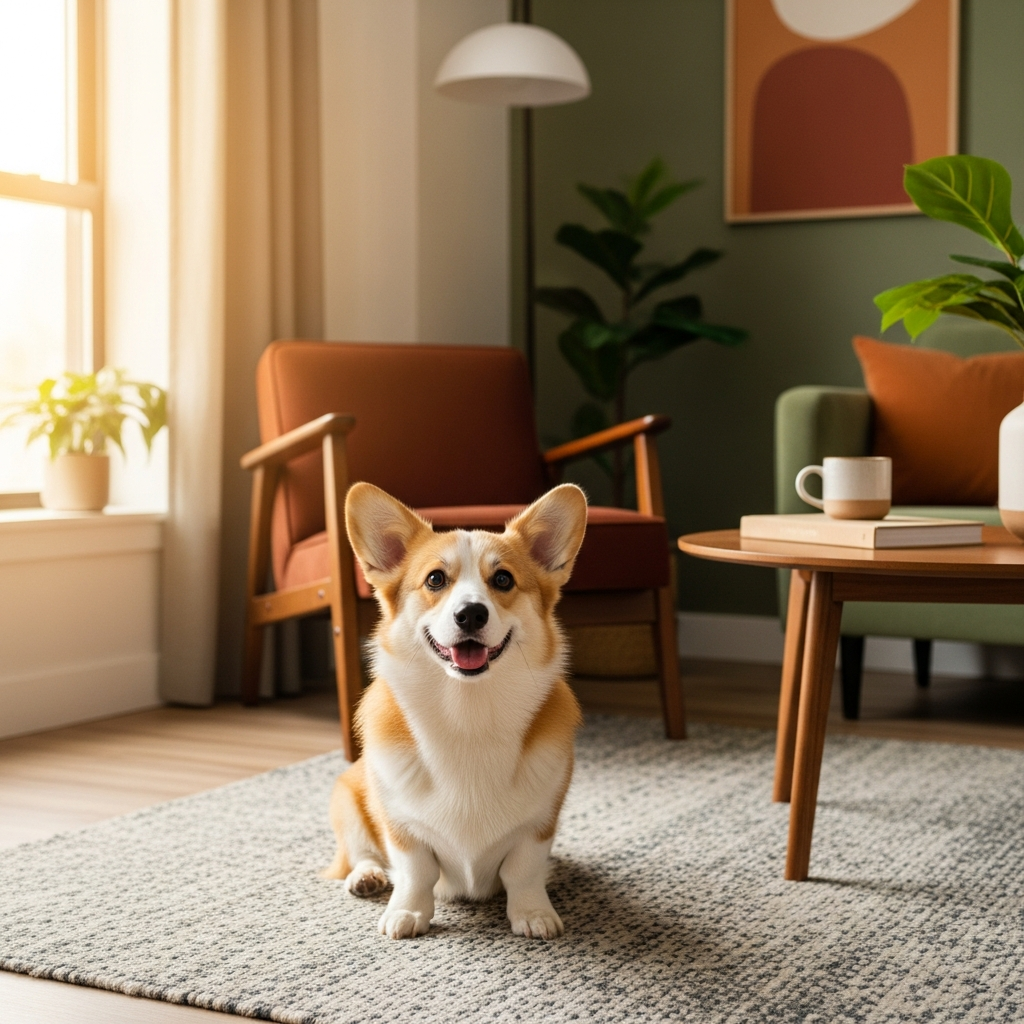
Living in an apartment doesn’t mean you can’t have a dog. It means you need to choose the right dog. The wrong breed in a small space leads to noise complaints, destroyed furniture, and a dog that’s miserable because their needs aren’t being met – which isn’t fair to either of you.
The right apartment dog isn’t always the smallest dog. Size matters less than energy level, noise tendency, and adaptability. A 60-pound Greyhound can be a better apartment dog than a 15-pound Jack Russell Terrier because the Greyhound will sleep 20 hours a day while the Jack Russell vibrates with unspent energy and announces every squirrel through the window.
This guide ranks 10 breeds that genuinely thrive in apartments based on what actually matters: exercise demands, barking tendency, separation tolerance, and overall adaptability to smaller spaces.
What Makes a Good Apartment Dog
Before we get to specific breeds, here are the traits that matter most for apartment living:
Low to Moderate Energy
A high-energy dog in a small space with no yard is a recipe for behavioral problems. The best apartment dogs are content with moderate daily exercise – a couple of walks and some indoor play – rather than requiring hours of off-leash running.
Quiet Temperament
Your neighbors exist. A dog that barks at every footstep in the hallway, every delivery truck, and every dog that passes below the window will generate noise complaints quickly. Some breeds are naturally quieter than others.
Moderate Separation Tolerance
Most apartment dwellers work outside the home. A dog with severe separation anxiety will bark, howl, and destroy your apartment while you’re at work. Breeds with moderate independence tend to handle alone time better than velcro breeds.
Adaptable and Calm Indoors
The best apartment dogs have an “off switch.” They can be playful during walks and play sessions, then settle into calm relaxation when they’re back inside. Dogs that pace, whine, or seem restless indoors – even after exercise – aren’t apartment-compatible.
Size Considerations
Size matters, but not the way most people think. A 50-pound couch potato is a better apartment dog than a 10-pound terror. That said, giant breeds (100+ pounds) present practical challenges in small spaces: they take up more room, their tails clear coffee tables, and landlords are more likely to have weight restrictions.
The 10 Best Dog Breeds for Apartments
1. Cavalier King Charles Spaniel
Size: 12-18 lbs | Energy: Low-Moderate | Barking: Low | Shedding: Moderate
The Cavalier is arguably the best apartment dog in existence. They were literally bred to sit in laps. They’re affectionate without being demanding, quiet without being aloof, and adaptable to whatever your lifestyle looks like.
The honest truth: Cavaliers have significant health concerns. Mitral valve disease (a heart condition) affects the breed at alarming rates – some studies suggest over 50% of Cavaliers develop it by age 5. Syringomyelia (a painful neurological condition) is also prevalent. If you go the breeder route, find one that does cardiac testing and MRI screening on breeding stock. This is not a breed where you can skip health clearances.
Exercise needs: Two 20-minute walks per day plus indoor play. They’re happy to match your activity level – if you want a lazy day on the couch, so do they.
Apartment bonus: One of the quietest small breeds. They rarely bark without reason and are naturally calm indoors. They handle alone time reasonably well for a companion breed, though they do prefer company.
2. French Bulldog
Size: 20-28 lbs | Energy: Low | Barking: Low-Moderate | Shedding: Low
French Bulldogs are built for apartment living. They’re compact, relatively quiet, don’t need much exercise, and their favorite activity is sleeping in increasingly ridiculous positions.
The honest truth: Frenchies are a brachycephalic (flat-faced) breed, which means breathing difficulties, heat sensitivity, and higher anesthesia risk. Vet bills tend to be above average. They can’t swim (their body proportions make it physically impossible), they overheat quickly, and many require C-sections for breeding. They’re also expensive to purchase – typically $2,000-$5,000 from a reputable breeder.
Exercise needs: Two 15-20 minute walks per day. Avoid hot weather exercise entirely. On summer days above 80 degrees, short potty breaks only.
Apartment bonus: Compact size, low exercise needs, and they’re not big barkers. The main noise concern is snoring – and it can be loud enough to wake you up.
3. Greyhound
Size: 60-70 lbs | Energy: Low (surprisingly) | Barking: Very Low | Shedding: Low
This is the pick that surprises people. A racing dog in an apartment? Yes. Greyhounds are the world’s fastest couch potatoes. They sprint for 30 seconds and sleep for 23 hours. Retired racing Greyhounds are widely available through adoption organizations and tend to be gentle, quiet, and low-maintenance.
The honest truth: Greyhounds have thin skin (literally – it tears more easily than other breeds), they get cold easily and may need a coat in winter, and their prey drive can be intense. Small animals like cats or small dogs can trigger a chase response that’s hard to interrupt. Retired racers may not be house trained initially, as they’ve lived in kennel environments.
Exercise needs: One or two 20-30 minute walks per day. Brief off-leash sprinting in a fenced area once or twice a week is ideal but not mandatory. They’re genuinely lazy dogs 95% of the time.
Apartment bonus: Nearly silent indoors. They rarely bark, they don’t pace, and they curl up on a dog bed and disappear for hours. Their calm indoor demeanor makes them one of the best large-breed apartment options. Check with retired racing Greyhound organizations in your area – these dogs desperately need homes.
4. Basset Hound
Size: 40-65 lbs | Energy: Low | Barking: Moderate (Howling) | Shedding: Moderate
Basset Hounds are low-energy, affectionate, and content to lounge around the house all day. They’re sturdy enough that a small space doesn’t feel cramped, and their laid-back personality means they don’t stress about apartment commotion.
The honest truth: The barking rating is “moderate” with an asterisk – Bassets don’t bark much, but when they vocalize, they howl. It’s deep, resonant, and your neighbors three floors away will hear it. If you can manage the vocalization through training and enrichment, they’re otherwise excellent apartment dogs. They’re also stubborn about training, they drool, and they have a powerful nose that makes them single-minded on walks.
Exercise needs: One 30-minute walk per day. They’re not athletes and overheat in warm weather. Don’t let the low energy fool you into skipping walks entirely – they’re prone to obesity, and the health consequences (joint problems, back problems given their long spine) are serious.
Apartment bonus: Low energy, affectionate, good with visitors and other dogs. They handle alone time well and don’t need constant stimulation.
5. Shih Tzu
Size: 9-16 lbs | Energy: Low-Moderate | Barking: Moderate | Shedding: Low (but high grooming)
Shih Tzus were bred specifically as companion dogs for Chinese royalty. They’ve had centuries of selective breeding for one purpose: being pleasant to be around in an indoor environment. That breeding shows.
The honest truth: Grooming is the trade-off. Their coat requires daily brushing and professional grooming every 4-6 weeks if kept long, or regular clipping if kept in a short “puppy cut.” Skipping grooming leads to painful matting. They can also be difficult to house train – their small bladder and stubborn streak make accidents more common and persistent than with larger breeds. Patience and consistency are essential.
Exercise needs: Two short walks per day (15-20 minutes each) plus indoor play. They’re content with minimal exercise and won’t bounce off the walls if a walk gets skipped.
Apartment bonus: Small size, genuinely happy to be indoors, and their exercise needs are easily met without a yard. The moderate barking can be managed with training, and they’re generally quieter than other small breeds like Chihuahuas or Miniature Pinschers.
6. Bichon Frise
Size: 12-18 lbs | Energy: Moderate | Barking: Moderate | Shedding: Very Low (hypoallergenic)
The Bichon Frise is cheerful, adaptable, and one of the closest things to a hypoallergenic dog you’ll find. They don’t shed in the traditional sense – their hair grows continuously like human hair, which means less dander and fewer allergens floating around your apartment.
The honest truth: “Hypoallergenic” doesn’t mean allergy-free. No dog is. Bichons produce less dander than most breeds, but people with severe allergies may still react. They also require professional grooming every 4-6 weeks and daily brushing to prevent matting. They’re prone to separation anxiety and do best in households where someone is home for most of the day or where there are other pets for company.
Exercise needs: Two 20-minute walks per day plus play sessions. They’re moderately active and enjoy interactive toys and mental enrichment. Not a couch potato breed, but their needs are easily met in an apartment setting.
Apartment bonus: Nearly zero shedding, small size, and a happy temperament that adapts well to apartment commotion. Great for allergy sufferers who still want a dog.
7. Pug
Size: 14-18 lbs | Energy: Low | Barking: Moderate | Shedding: High (surprisingly)
Pugs are natural apartment dogs – small, low-energy, social, and focused entirely on being near their human. They’re clowns with no athletic ambitions, which makes them perfectly suited for small-space living.
The honest truth: Pugs are brachycephalic, like French Bulldogs, and share many of the same health concerns – breathing difficulties, heat sensitivity, eye problems (their protruding eyes are vulnerable to injury and ulcers), and obesity risk. They shed far more than their size suggests. A lint roller will become your most-used household tool. They also snore, snort, and make an impressive range of noises that some people find endearing and others find irritating.
Exercise needs: Two 15-minute walks per day. No intense exercise, no hot weather activity. They’re content with brief outings and lots of indoor cuddle time.
Apartment bonus: Compact size, low exercise demands, and they’re social enough to handle apartment visitors and hallway encounters without reactivity. They’re also relatively quiet for a small breed – more grunters than barkers.
8. English Bulldog
Size: 40-50 lbs | Energy: Very Low | Barking: Low | Shedding: Moderate
The English Bulldog is the definition of “off switch.” They are profoundly lazy dogs that want nothing more than to occupy the most comfortable surface in your apartment and remain there until food arrives.
The honest truth: English Bulldogs have more breed-specific health issues than almost any other breed. Breathing problems, skin fold infections, hip dysplasia, heat sensitivity, eye issues, and a lifespan that averages 8-10 years. Vet bills are above average for life, and pet insurance premiums reflect this. Many airlines won’t allow them to fly due to respiratory risk. If you choose this breed, budget for healthcare and find a vet experienced with brachycephalic breeds.
Exercise needs: Two short walks per day (15 minutes each). They overheat easily and should never exercise in warm weather. Air conditioning isn’t optional for this breed – it’s a health requirement.
Apartment bonus: Incredibly calm indoors, very quiet, and genuinely content in small spaces. They don’t need a yard, they don’t need hours of exercise, and they won’t bark at your neighbors. The trade-off is health costs.
9. Havanese
Size: 7-13 lbs | Energy: Moderate | Barking: Moderate | Shedding: Very Low
The Havanese is Cuba’s national dog and one of the best small breeds for first-time owners. They’re cheerful, trainable, affectionate, and adaptable to nearly any living situation.
The honest truth: Havanese are velcro dogs. They want to be with you at all times, which is wonderful when you’re home and problematic when you’re not. Separation anxiety is common in the breed and needs to be proactively managed from puppyhood. Their coat requires regular grooming – daily brushing and professional grooming every 4-6 weeks, or a short clip for easier maintenance. They can also be slow to house train.
Exercise needs: Two 20-minute walks per day plus interactive play. They’re livelier than some breeds on this list and benefit from puzzle toys and training games to keep their minds busy.
Apartment bonus: Small, low-shedding, and highly trainable. They take well to apartment life and are generally good with neighbors and visitors. Start alone-time training early to prevent separation issues.
10. Miniature Poodle
Size: 10-15 lbs | Energy: Moderate | Barking: Moderate | Shedding: Very Low
The Miniature Poodle is one of the smartest dogs in any size category, and that intelligence makes them highly adaptable to apartment living – as long as you keep their brain busy.
The honest truth: A bored Poodle is a destructive Poodle. They need mental stimulation as much as physical exercise. If you leave them alone all day with nothing to do, they’ll find their own entertainment, and you won’t enjoy the results. They can be vocal – alert barking at sounds in the hallway is a common complaint. Professional grooming every 4-6 weeks is non-negotiable, and they’re prone to dental disease, so dental care needs to start early.
Exercise needs: Two 20-30 minute walks per day plus training sessions and mental enrichment activities. They excel at trick training, which is great indoor exercise for their brain.
Apartment bonus: Hypoallergenic coat, small size, and trainability. Their intelligence means they learn house rules quickly and adapt to apartment routines faster than most breeds. Keep them mentally stimulated and you’ll have one of the best apartment dogs available.
Breeds That Don’t Belong in Apartments
No judgment if you love these breeds, but fitting them into apartment life means fighting against their genetics:
- Border Collie: Needs 90+ minutes of intense daily exercise and a job to do. Will herd your furniture out of boredom.
- Australian Shepherd: Same category. Incredibly smart, incredibly energetic, incredibly destructive when under-stimulated.
- Husky: Vocal (they howl, scream, and have full conversations), high-energy, escape artists, and not great with heat.
- Jack Russell Terrier: Small body, nuclear reactor energy level. They need more exercise than most large breeds.
- Dalmatian: Bred to run alongside horse-drawn carriages for miles. A 20-minute walk is a warm-up.
- German Shorthaired Pointer: An elite athlete that needs an elite athlete’s workout. Every day.
- Weimaraner: Extreme separation anxiety combined with high energy. The worst possible combination for apartment living.
These breeds can live in apartments if the owner is genuinely committed to meeting their exercise and stimulation needs. But “committed” means 90-120 minutes of vigorous daily activity, rain or shine, every day, plus mental work. Most people underestimate what that actually looks like.
Making Any Dog Work in an Apartment
Even with the right breed, apartment living requires intentional management. Here’s how to set your dog up for success:
Exercise Before Alone Time
A dog that’s been exercised and mentally stimulated before you leave for work is a dog that sleeps while you’re gone. Front-load your dog’s activity into the morning and you’ll prevent most destruction and barking issues.
Mental Enrichment Fills the Gap
In an apartment, you can’t just open the back door and let them run. Mental enrichment closes the gap between what your dog needs and what your space allows. Puzzle feeders, Kongs, snuffle mats, and training sessions tire a dog’s brain just as effectively as physical exercise.
Desensitize to Hallway Sounds
Apartment dogs hear footsteps, doors, elevators, and other dogs all day. If your dog barks at every sound, desensitize them systematically: play recordings of hallway sounds at low volume while treating your dog for calm behavior. Gradually increase the volume over days and weeks.
Consistent Potty Schedule
Without a yard, every bathroom break requires a leash, shoes, and a trip outside. This means you need a rock-solid schedule. Take them out at the same times every day, and keep a poop bag stash by the door so you never have to search for one at 6 AM with a dancing dog.
Know Your Lease
Before bringing a dog home, read your lease completely. Check for breed restrictions, weight limits, pet deposits, and monthly pet rent. Some landlords require breed-specific liability insurance. Getting a dog only to be told by your landlord that you need to surrender them is a nightmare scenario that’s entirely preventable.
Frequently Asked Questions
What size dog is best for an apartment?
There’s no single best size. A calm 60-pound Greyhound can be a better apartment dog than a hyperactive 10-pound Chihuahua. Focus on energy level, noise tendency, and temperament over weight. That said, dogs over 80 pounds present practical challenges in small spaces (turning around in tight kitchens, fitting on furniture, landlord weight restrictions), so medium and small breeds are generally easier.
Can large dogs live in apartments?
Yes, if they’re the right large dog. Greyhounds, Basset Hounds, English Bulldogs, and even Great Danes (who are surprisingly lazy) can do well in apartments. The key is low energy and a calm indoor temperament. A large dog that paces, zoomies through the living room, or needs hours of running is a poor apartment fit regardless of how much you love the breed.
How do I prevent my apartment dog from barking all day?
Exercise before you leave, provide mental enrichment (frozen Kongs, puzzle toys), desensitize to hallway sounds, and consider a white noise machine to mask outside noise. If barking persists, it may be separation anxiety, which requires a more structured behavior modification approach. A pet camera with audio can help you understand when and why barking happens while you’re away.
Are certain breeds banned from apartments?
Many apartment complexes and insurance companies maintain breed restriction lists. Commonly restricted breeds include Pit Bulls, Rottweilers, Doberman Pinschers, German Shepherds, Akitas, and Chow Chows. These restrictions are based on insurance liability, not necessarily on the breed’s suitability for apartment life. Always check your lease and insurance policy before choosing a breed.
How much exercise does an apartment dog need?
Even low-energy apartment breeds need a minimum of 30-40 minutes of daily activity – typically split between two walks plus indoor play. The breeds on this list don’t require off-leash running or intense exercise, but they still need to move, sniff, and explore daily. Skipping exercise leads to weight gain, boredom, and behavioral problems regardless of breed.
Should I get a puppy or adult dog for apartment living?
Adult dogs are generally easier for apartment living because you can assess their actual energy level and temperament before committing. A puppy’s adult personality isn’t fully predictable, and the house-training process is harder without quick outdoor access. If you go the adoption route, many rescue organizations have adult dogs already living in foster homes where their apartment compatibility has been tested in real conditions. Our new puppy checklist covers what you’ll need if you do go the puppy route.